






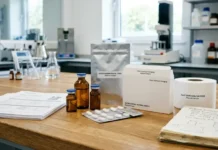


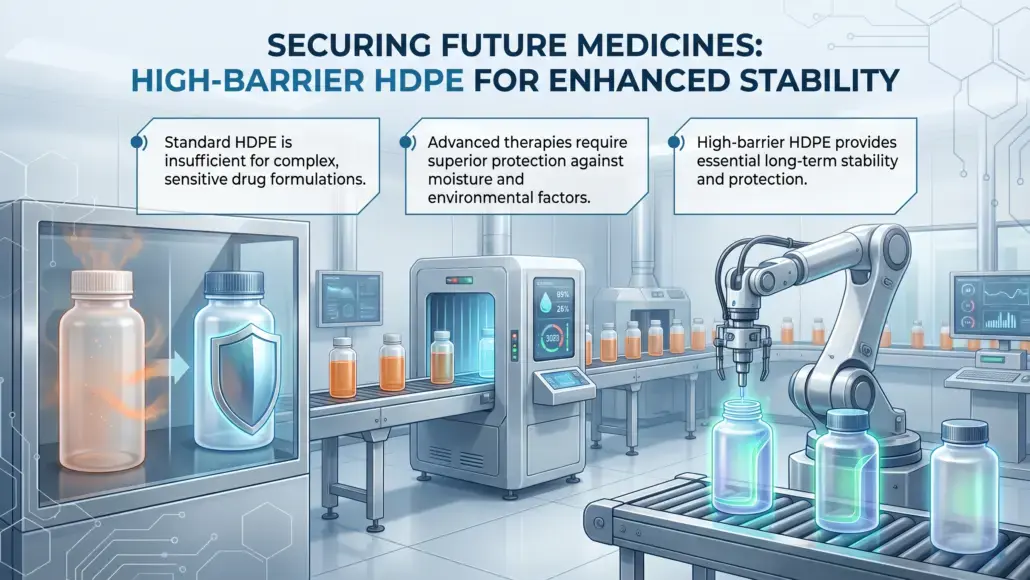
The pharmaceutical industry has long relied on High-Density Polyethylene (HDPE) as a primary packaging material for solid oral dosage forms due to its excellent moisture barrier properties, chemical resistance, and cost-effectiveness. However, as drug formulations become increasingly sophisticated and sensitive to environmental factors, standard mono-layer HDPE containers often prove insufficient for long-term protection. This has led to the development and widespread adoption of high-barrier HDPE bottles, which utilize advanced multi-layer structures to significantly reduce the water vapor transmission rate (WVTR). These specialized containers are engineered to provide a level of protection that was previously only achievable with glass or metal packaging, while maintaining the lightweight and shatterproof advantages of plastic. The transition to these high-performance materials is a critical step for manufacturers seeking to distribute their products in diverse global climates, ranging from arid regions to areas with high tropical humidity.
The stability of a pharmaceutical product is directly linked to the integrity of its primary packaging. For moisture-sensitive medicines, even a slight increase in internal humidity can trigger chemical reactions such as hydrolysis or physical changes like polymorphic transformations. These advanced high-barrier HDPE bottles address these issues by incorporating an additional barrier layer, often composed of materials like Ethylene Vinyl Alcohol (EVOH) or cyclic olefin copolymers (COC), within the HDPE walls. This multi-layer approach creates a tortuous path for water molecules, effectively slowing their migration into the container. By precisely controlling the composition and thickness of these layers, packaging engineers can tailor the barrier properties to the specific needs of a particular drug formulation, ensuring that the medicine remains safe and effective until its expiration date.
Advancements in Multi-Layer Co-Extrusion Technology
The production of these specialized containers relies on complex co-extrusion blow molding (EBM) processes. This technology allows for the simultaneous extrusion of multiple layers of different polymers, which are then fused together to form the bottle wall. A typical multi-layer structure might consist of five or six layers, including an outer HDPE layer for durability, an inner HDPE layer for product compatibility, and a central barrier layer supported by adhesive tie layers. The precision required to maintain uniform layer thickness across the entire bottle, including the neck and base areas, is significant. Advanced process control systems and specialized die heads are employed to ensure that there are no thin spots or gaps in the barrier layer, which could compromise the integrity of the entire package.
This multi-layer technology also enables the inclusion of recycled materials or regrind in the middle layers without affecting the safety of the drug-contact surface. While sustainability is a growing concern in all sectors, the pharmaceutical industry must always prioritize product safety and regulatory compliance. The ability to incorporate regrind within a multi-layer structure allows manufacturers to reduce their environmental footprint while still providing the high level of moisture protection required for sensitive formulations. Additionally, the development of new barrier resins that are compatible with standard HDPE recycling streams is a major area of research, aiming to improve the circularity of pharmaceutical packaging without sacrificing the performance characteristics of high-barrier HDPE bottles.
Analytical Assessment of Water Vapor Transmission Rates
Quantifying the performance of a primary packaging system is a fundamental requirement in pharmaceutical development. The Water Vapor Transmission Rate (WVTR) is the standard metric used to evaluate how effectively a container prevents moisture ingress. For high-barrier HDPE bottles, the WVTR is typically measured using gravimetric methods or specialized electronic sensors that can detect minute changes in humidity over time. These tests are conducted under accelerated aging conditions (e.g., 40 degrees Celsius and 75 percent relative humidity) to simulate the worst-case environmental stresses that a product might encounter during storage and distribution. The data generated from these assessments are crucial for establishing the shelf life of the drug and for securing regulatory approval from agencies such as the FDA.
Comparisons between standard mono-layer HDPE and multi-layer designs consistently demonstrate a dramatic reduction in moisture ingress. In many cases, the high-barrier containers can reduce the WVTR by a factor of ten or more, providing a substantial safety margin for the drug product. This increased protection is especially important for products that are destined for Zone IVb climates, which are characterized by high temperatures and high humidity. By selecting these advanced polymer solutions, pharmaceutical companies can ensure that their products maintain their chemical potency and physical characteristics even under the most challenging conditions. This analytical rigor is a cornerstone of modern quality-by-design (QbD) principles, where packaging performance is integrated into the overall stability profile of the medication from the earliest stages of development.
Protecting Complex Solid Oral Dosage Formulations
The move toward more complex and potent drug molecules has heightened the need for advanced packaging solutions. Many new chemical entities are highly sensitive to moisture, requiring a dry environment to prevent degradation into inactive or potentially harmful byproducts. Additionally, the rise of biopharmaceuticals and biological derivatives in oral forms has introduced new challenges, as these molecules often have very narrow stability windows. These high-performance high-barrier HDPE bottles are increasingly being used to protect these high-value products. The consistent and predictable barrier performance of these bottles allows formulators to minimize the use of internal desiccants, which can sometimes interact with the drug or its excipients. In some cases, the bottle itself provides sufficient protection to eliminate the need for a desiccant entirely, simplifying the final product configuration.
In addition to protecting the active pharmaceutical ingredient (API), the packaging must also preserve the integrity of the excipients and the mechanical properties of the dosage form. For example, effervescent tablets or rapidly disintegrating tablets (RDTs) are extremely sensitive to moisture and can lose their functionality if exposed to even low levels of humidity. The use of specialized containers provides the necessary protection to keep these specialized dosage forms stable. The physical durability of HDPE also ensures that the bottles do not crack or fail during transport, maintaining the vacuum or low-humidity environment created during the initial filling and sealing process. This holistic approach to protection ensures that the patient receives a product that performs exactly as intended, regardless of the environmental challenges it may have faced.
Sustainable Practices in Barrier Material Development
While the primary focus of pharmaceutical packaging is safety and stability, the industry is under increasing pressure to adopt more sustainable practices. The development of advanced polymer solutions is evolving to address these environmental concerns. One area of innovation is the search for barrier materials that can be easily separated or that are fully compatible with existing HDPE recycling streams. Traditionally, multi-layer bottles containing materials like EVOH have been difficult to recycle because the different polymers can contaminate the recycled plastic. However, new “mono-material” barrier solutions are being developed that utilize specialized HDPE grades or compatible barrier additives to achieve high performance while remaining fully recyclable.
Another sustainable approach involves the optimization of bottle weight and wall thickness. By using advanced modeling and simulation tools, packaging designers can identify areas where material can be reduced without compromising the structural integrity or barrier properties of the container. Lightweighting not only reduces the amount of plastic used but also decreases transportation costs and the associated carbon footprint. The integration of advanced polymer solutions into a broader sustainability strategy requires a careful balance between environmental goals and the uncompromising requirements of pharmaceutical stability. As the technology continues to mature, it is expected that these high-performance containers will become even more efficient, providing superior protection for the patient while minimizing the impact on the planet. The focus on material science ensures that every bottle produced meets the highest standards of safety and efficacy, regardless of the complexity of the drug formulation it contains. Pharmaceutical companies that adopt these advanced packaging solutions are better positioned to meet the challenges of a global market, providing consistent quality across all regions. The long-term benefits of improved stability and reduced product loss make high-barrier HDPE bottles a vital asset for the industry. This commitment to quality is what ultimately drives patient trust and ensures the success of modern therapeutic interventions. By prioritizing the integrity of the primary container, manufacturers demonstrate their dedication to delivering safe and effective medicines to every patient, every time.
The role of primary packaging in the pharmaceutical industry is far more than just containment; it is a vital component of the drug delivery system. These advanced containers represent a significant leap forward in the ability to protect sensitive formulations from the damaging effects of moisture. Through the application of multi-layer co-extrusion, rigorous analytical testing, and a focus on material compatibility, these containers ensure that life-saving medications remain stable and effective throughout their lifecycle. As the industry continues to innovate, the integration of barrier technology with sustainable design principles will define the next generation of pharmaceutical packaging, providing benefits for manufacturers, patients, and the environment alike. The continued investment in these advanced materials is a testament to the industry’s commitment to quality and its relentless pursuit of excellence in patient care.