










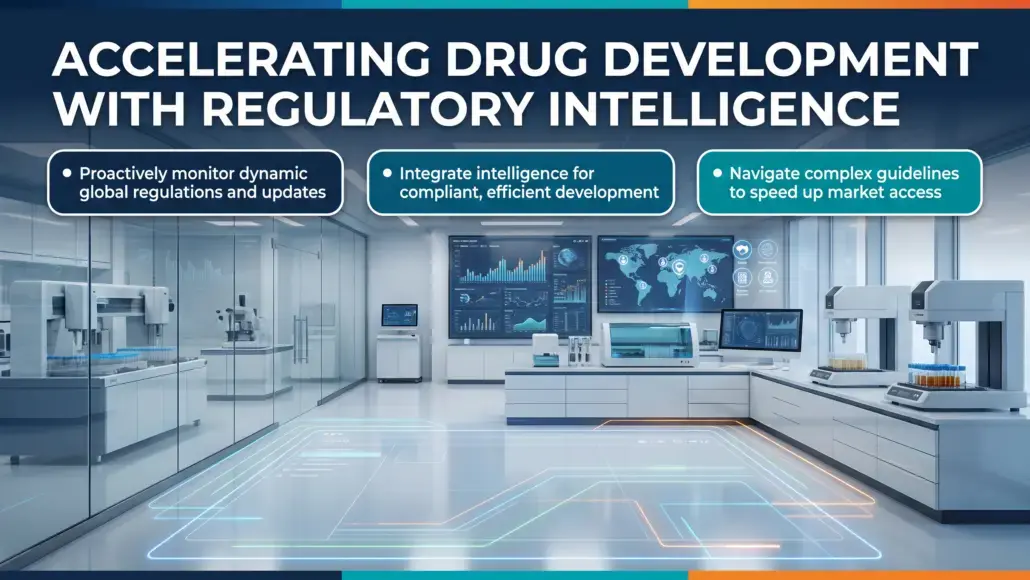
The global pharmaceutical environment is becoming increasingly complex, with regulatory agencies frequently updating guidelines to keep pace with scientific advancements and emerging health threats. In this context, the role of regulatory intelligence supporting accelerated drug development has never been more critical. Pharmaceutical organizations must proactively monitor and interpret changes in the regulatory environment to ensure that their development programs remain compliant and efficient. By integrating high quality intelligence into the strategic planning process, companies can identify expedited pathways, avoid costly delays, and significantly shorten the time required to bring life saving therapies to patients. This analytical approach moves beyond simple compliance, transforming regulatory knowledge into a strategic asset that drives clinical and commercial success.
Monitoring Global Regulatory Trends and Guidance Updates
The first pillar of effective regulatory intelligence is the systematic monitoring of announcements from major health authorities such as the FDA, EMA, and PMDA. These agencies frequently release draft and final guidance documents that clarify expectations for clinical study design, manufacturing standards, and safety monitoring. By establishing a centralized system for tracking these updates, pharmaceutical companies can ensure that their development teams are always working with the most current information. This proactive monitoring allows for the early identification of new requirements that may impact ongoing projects, enabling the team to make necessary adjustments before they become critical issues.
Beyond official guidance, regulatory intelligence involves the analysis of recent approval decisions and advisory committee meetings. These events provide valuable insights into the current thinking of regulators and can highlight potential areas of concern for specific therapeutic classes. By studying the feedback provided to other sponsors, a company can better prepare for its own interactions with health authorities. This technical analysis of regulatory precedents helps in defining a more robust and defensible development strategy. Additionally, participating in industry working groups and public consultations allows organizations to contribute to the development of new regulations, ensuring that the industry perspective is represented. This engagement provides a platform for sharing technical expertise and advocating for practical, science based standards that support innovation. By collaborating with peers and regulators, companies can help shape the future of the pharmaceutical environment in a way that balances safety with the need for speed. The insights gained from these activities are a valuable component of a comprehensive intelligence strategy, providing early warning of potential changes and an opportunity to influence their direction. This proactive stance is essential for maintaining a competitive edge in a rapidly changing market. Additionally, the development of internal networks of subject matter experts ensures that the organization can respond quickly and accurately to regulatory inquiries. This internal expertise is a critical complement to external intelligence sources, providing the context needed to translate global trends into specific actions. The integration of these diverse information streams is a hallmark of a mature regulatory function.
Identifying Expedited Pathways for Breakthrough Therapies
One of the primary goals of regulatory intelligence supporting accelerated drug development is the identification and utilization of expedited programs. Many regulatory agencies have established specific pathways, such as Breakthrough Therapy designation, PRIME, or Sakigake, designed to speed up the review of products that address significant unmet medical needs. Successfully securing these designations requires a deep understanding of the eligibility criteria and the ability to present a compelling case based on early clinical data. Regulatory intelligence teams play a vital role in analyzing the competitive environment and determining the optimal timing for these applications.
The benefits of these expedited programs often include more frequent interactions with regulators, rolling reviews of marketing applications, and priority review status. These advantages can shave months or even years off the development timeline. However, the requirements for these pathways are stringent and require a high level of coordination across clinical, non clinical, and CMC functions. By utilizing intelligence to map out the specific requirements and timelines for each program, companies can ensure that they are fully prepared to meet the increased demands of an accelerated review. This strategic planning is essential for maximizing the value of these pathways and achieving a rapid market entry.
Managing Regulatory Risk in Global Development Programs
In an increasingly globalized industry, drug development programs often involve clinical trials and manufacturing sites in multiple countries. Each jurisdiction has its own specific regulatory requirements, which can vary significantly in terms of submission formats, safety reporting, and labeling standards. Regulatory intelligence is essential for managing the risks associated with this complexity. By developing a comprehensive regulatory roadmap for each target market, companies can identify potential roadblocks early in the development process. This allows for the creation of a harmonized strategy that meets the requirements of multiple agencies simultaneously, reducing the need for redundant studies and regional modifications.
Risk management also involves the continuous assessment of the impact of political and economic changes on the regulatory environment. For instance, changes in trade agreements or national health policies can influence the requirements for market access and pricing. Regulatory intelligence teams must work closely with legal and commercial departments to ensure that the development strategy remains aligned with the broader business objectives. This holistic view of the regulatory landscape helps in prioritizing resources and focusing efforts on the markets with the highest potential for success. By proactively identifying and mitigating regulatory risks, pharmaceutical companies can maintain the momentum of their development programs and ensure long term sustainability.
Integration of Digital Tools in Regulatory Intelligence
The volume of regulatory information being generated globally is vast, making manual tracking and analysis increasingly difficult. To address this, many pharmaceutical organizations are investing in digital tools and platforms that utilize artificial intelligence and natural language processing to automate the collection and categorization of regulatory data. These tools can scan thousands of websites and documents in real time, alerting teams to relevant updates and providing summaries of key changes. This automation allows regulatory intelligence professionals to focus their efforts on high level analysis and strategic decision making.
Digital platforms also facilitate more efficient collaboration and information sharing within the organization. Centralized databases allow stakeholders from different departments to access the latest regulatory insights and contribute their own observations. This integrated approach ensures that the regulatory perspective is considered at every stage of the drug development lifecycle. Additionally, the use of advanced analytics can help in identifying patterns and trends in regulatory feedback, providing a more predictive view of future requirements. The ongoing digital transformation of regulatory intelligence is a key driver of efficiency and innovation in the pharmaceutical industry, supporting the move toward more agile and responsive development models.
Future Perspectives in Global Regulatory Alignment
The future of pharmaceutical regulation is likely to be characterized by greater alignment and cooperation between global health authorities. Initiatives such as the International Council for Harmonisation (ICH) and the Pharmaceutical Inspection Co-operation Scheme (PIC/S) are working to create standardized requirements for drug development and manufacturing. Regulatory intelligence will continue to play a vital role in monitoring these alignment efforts and ensuring that companies are prepared to operate in a more harmonized environment. This shift toward global standards has the potential to significantly reduce the cost and complexity of bringing new therapies to market.
Additionally, the emergence of novel technologies, such as gene editing and digital therapeutics, will require the development of entirely new regulatory frameworks. This evolution will involve the creation of specialized review divisions and the implementation of adaptive pathways that can accommodate the unique characteristics of these therapies. Regulatory intelligence will be essential for monitoring the development of these new structures and ensuring that development programs are designed to meet the emerging standards. The focus will be on establishing clear endpoints and safety markers that can be used to evaluate the long term performance of these complex products. As the science continues to advance, the dialogue between developers and regulators will become even more important for defining the path to commercialization. This collaborative approach is a key driver of progress in the modern pharmaceutical industry. The commitment to innovation must be matched by a commitment to rigorous and transparent regulatory oversight. This balance is essential for maintaining public trust and ensuring the safety of new treatments. The ongoing professional development of regulatory staff is also a critical factor in the successful implementation of these new frameworks. Training and education will be needed to ensure that the industry has the skills and knowledge required to handle the complexities of future therapies. This investment in human capital is as important as the investment in technology and infrastructure. The transition to a more agile and data driven regulatory model will require a new generation of professionals who are comfortable working at the intersection of science, law, and data analytics. This multidisciplinary approach is the future of regulatory affairs and a primary driver of success in the pharmaceutical sector. Regulatory intelligence teams must be at the forefront of these developments, engaging with regulators to define the standards and expectations for these innovative products. The ability to stay ahead of the curve in these rapidly evolving areas will be a critical differentiator for pharmaceutical companies in the coming years. By continuing to invest in regulatory intelligence supporting accelerated drug development, the industry can ensure that it remains well positioned to navigate the challenges and opportunities of a changing global environment. The ultimate goal is a more efficient and predictable regulatory process that supports the delivery of innovative medicines to patients around the world.