












Access to quality healthcare remains a challenge for many people living in rural communities. Long travel distances, limited provider availability, and healthcare workforce shortages often make it difficult to receive timely medical attention. Fortunately, telehealth care in New Hampshire is helping address these challenges by making healthcare services more accessible and convenient.
Virtual healthcare has become an effective solution for patients who need timely consultations, ongoing care, and prescription management without traveling long distances. As telehealth adoption continues to grow, rural communities are experiencing significant improvements in healthcare access and patient outcomes.
This guide explores how telehealth is transforming rural healthcare across New Hampshire and why it is becoming an essential part of modern healthcare delivery.
The State of Rural Healthcare in New Hampshire
Rural areas throughout New Hampshire face unique healthcare challenges. Many residents live far from hospitals, primary care providers, and specialty clinics. As a result, routine appointments often require considerable travel time.
Provider shortages further complicate healthcare access. Many rural communities struggle to attract and retain healthcare professionals, creating longer wait times and fewer available services. These limitations can affect preventive care, chronic disease management, and timely treatment for common health concerns.
When patients delay care because of travel difficulties or appointment availability, health conditions can worsen. Consequently, healthcare systems continue searching for effective ways to improve access for rural populations.
Why Telehealth Is Becoming Essential for Rural Communities
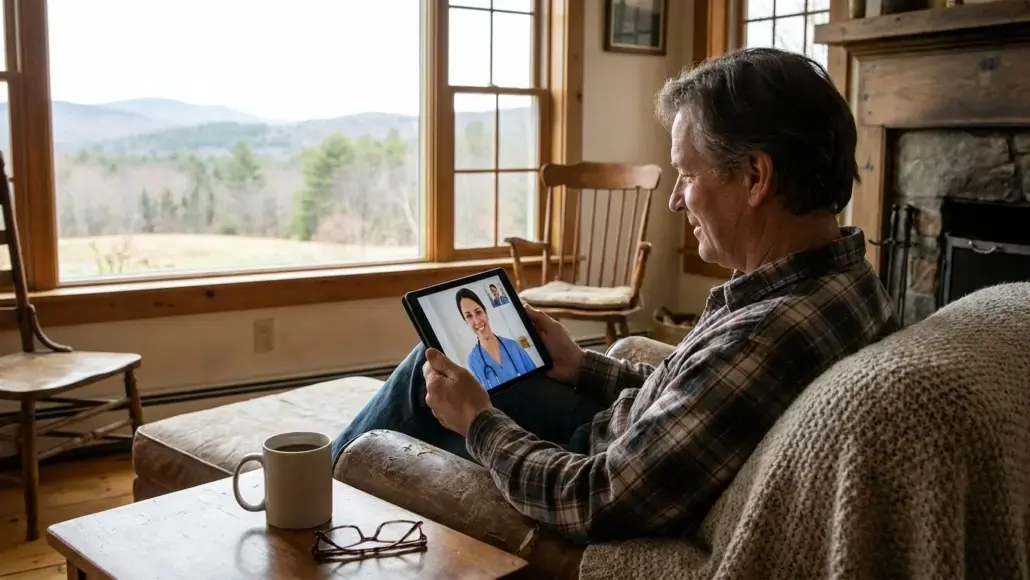
Telehealth offers a practical solution to many of these challenges. Instead of traveling to a healthcare facility, you can connect with a licensed provider from your home using a smartphone, tablet, or computer.
This convenience is especially valuable for individuals with limited transportation options, busy schedules, or mobility concerns. Moreover, telehealth expands access to healthcare professionals who may not practice locally.
At the same time, both patients and providers have become more comfortable with virtual care. Improved technology, secure communication platforms, and positive patient experiences have contributed to the growing acceptance of telehealth services throughout New Hampshire.
How Telehealth Care Works in New Hampshire
Telehealth allows healthcare providers to deliver medical services remotely through secure digital platforms. Depending on your healthcare needs, appointments may take place through video calls, phone consultations, or online communication systems.
Common telehealth services include routine consultations, follow-up appointments, prescription refills, medication reviews, and chronic disease management. Many providers can evaluate symptoms, discuss treatment plans, and send prescriptions directly to a local pharmacy when appropriate.
The process is simple and user-friendly. Most patients only need an internet-connected device and a private location for their virtual visit. This accessibility makes healthcare more convenient while maintaining professional standards of care.
Supporting Chronic Disease Management
Beyond improving access to routine medical care, telehealth is also playing a crucial role in helping rural patients. Now they can manage chronic health conditions more effectively through consistent monitoring, timely interventions, and ongoing provider support.
Remote Monitoring and Ongoing Care
Managing chronic conditions requires consistent communication between patients and healthcare providers. Telehealth helps make that communication easier and more frequent.
Patients with diabetes can discuss blood sugar levels, treatment adjustments, and lifestyle recommendations during virtual appointments. Likewise, individuals with hypertension can share blood pressure readings and receive guidance without frequent office visits.
Telehealth also supports patients managing heart disease and other long-term conditions. Regular follow-ups help providers monitor progress and address concerns before complications develop.
Medication management is another important benefit. Virtual consultations allow providers to review medications, discuss side effects, and ensure patients stay on track with treatment plans.
Better Patient Engagement
Telehealth encourages patients to stay actively involved in their healthcare journey. Frequent communication makes it easier to follow treatment recommendations and maintain healthy habits.
Additionally, regular check-ins help healthcare providers identify potential concerns earlier. Early intervention often leads to better outcomes and improved long-term health.
Enhancing Mental Health Services in Rural Areas
Mental healthcare access remains a significant challenge in many rural communities. Shortages of therapists, counselors, and psychiatrists often limit treatment options for residents.
Telehealth is helping close this gap by expanding access to mental health professionals. Through virtual appointments, patients can receive counseling, therapy, and psychiatric support from the privacy of their homes.
This increased accessibility offers several advantages. Patients can avoid lengthy travel, schedule appointments more conveniently, and receive support in a familiar environment. Furthermore, virtual care can help reduce the stigma that sometimes prevents individuals from seeking mental health treatment.
As a result, more people can access the care they need to support their emotional and psychological well-being.
How Telehealth Benefits Patients in Rural New Hampshire
Beyond chronic care management, telehealth offers everyday benefits that make healthcare more accessible for rural patients.
Greater Convenience
One of telehealth’s most noticeable benefits is convenience. You can receive care from home rather than spending time traveling to a medical facility.
This reduces transportation expenses and minimizes disruptions to your daily schedule. Patients can often fit healthcare appointments into their routines more easily, reducing time away from work and family responsibilities.
Improved Healthcare Access
Telehealth broadens access to healthcare services across New Hampshire. Instead of relying only on nearby providers, patients can connect with healthcare professionals throughout the state.
Virtual care also supports faster appointment scheduling and more consistent access to medical advice. Consequently, patients can receive timely treatment when health concerns arise.
Better Health Outcomes
Improved access often leads to better health outcomes. Patients are more likely to attend follow-up appointments, communicate regularly with providers, and address symptoms before they become serious.
This proactive approach helps improve chronic disease management and supports overall health and wellness.
Benefits of Telehealth for Healthcare Providers
Healthcare providers also benefit from telehealth services. Virtual care allows providers to reach patients in underserved communities without geographic limitations.
Telehealth can improve care coordination by making communication more efficient between patients and healthcare teams. It also helps reduce missed appointments because patients face fewer logistical barriers.
In addition, virtual visits allow healthcare organizations to use resources more efficiently while continuing to provide quality patient care.
Challenges and Limitations of Telehealth
Despite its advantages, telehealth is not a complete replacement for traditional healthcare.
- Internet connectivity remains a challenge in some rural areas. Limited broadband access can affect the quality of virtual visits and restrict participation for certain patients.
- Technology barriers may also create difficulties for individuals who are unfamiliar with digital devices or online platforms.
- Furthermore, some medical situations require in-person evaluations, laboratory testing, imaging, or emergency care. Telehealth works best as part of a broader healthcare strategy rather than a standalone solution.
- Healthcare providers must also prioritize privacy and security to ensure patient information remains protected during virtual interactions.
Conclusion
Telehealth is transforming rural healthcare in New Hampshire by improving access, convenience, and continuity of care. Patients can connect with healthcare providers more easily, manage chronic conditions effectively, and receive timely medical support without extensive travel.
At the same time, healthcare providers can expand their reach, improve care coordination, and serve underserved communities more efficiently. Although challenges remain, telehealth has become an essential healthcare tool that continues to strengthen healthcare delivery across rural New Hampshire. As adoption grows, virtual care will play an increasingly important role in creating a more accessible and patient-centered healthcare system.
Frequently Asked Questions
Is telehealth available throughout New Hampshire?
Many healthcare providers offer telehealth services to patients across New Hampshire, including rural communities.
What conditions can be treated through telehealth?
Telehealth can support a variety of healthcare needs, including chronic disease management, prescription refills, minor illnesses, follow-up care, mental health services, and preventive healthcare consultations.
Do insurance plans cover telehealth visits?
Many insurance providers cover telehealth services. Coverage varies by plan, so it is important to verify benefits with your insurance provider.
Can telehealth replace in-person appointments?
Not entirely. While telehealth is highly effective for many healthcare needs, some situations require physical examinations, diagnostic testing, or emergency medical care.
What technology is needed for a virtual visit?
Most telehealth appointments only require a smartphone, tablet, or computer with internet access and a secure communication platform.