









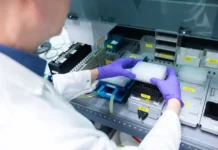





Clinical trials are the foundation of modern medicine. Every treatment, therapy, and medical breakthrough relies on accurate research to ensure safety and effectiveness. However, maintaining accuracy across complex studies has always been a challenge. With large patient populations, multiple trial sites, and increasing volumes of data, research teams must work harder than ever to minimize errors and improve consistency.
Today’s research teams are embracing smarter processes, stronger collaboration, and advanced technology to improve trial accuracy from start to finish. By refining how data is collected, monitored, and analyzed, clinical studies are becoming more reliable and efficient.
Better Data Collection Methods
One of the biggest improvements in trial accuracy comes from the way data is collected. Traditional paper-based systems often created delays, inconsistencies, and opportunities for human error. Modern research teams now rely heavily on digital systems that streamline data entry and improve visibility across studies.
Electronic data capture platforms allow researchers to input information in real time, reducing the risk of lost or incomplete records. Automated validation checks can also identify missing fields or unusual results instantly, allowing teams to resolve issues before they affect the study.
This shift has helped research teams maintain cleaner datasets while improving communication between investigators, sponsors, and regulatory teams. As trials continue to grow in complexity, effective systems such as Cytel are becoming increasingly important for supporting accurate data management throughout the research process.
Improved Collaboration Across Teams
Clinical trials often involve professionals from multiple disciplines, including researchers, clinicians, statisticians, laboratory teams, and regulatory specialists. In the past, disconnected workflows sometimes created communication gaps that impacted study accuracy.
Modern research teams are improving collaboration by using integrated systems and centralized platforms that keep everyone aligned. Shared dashboards, cloud-based tools, and real-time reporting allow teams to monitor study progress together and respond quickly when issues arise.
Stronger collaboration also helps standardize procedures across trial sites. When every location follows the same protocols and reporting processes, there is less variation in the data collected. This consistency is essential for ensuring reliable trial outcomes.
The Role of Advanced Analytics
The growing use of advanced analytics is also helping improve trial accuracy. Research teams can now identify patterns, inconsistencies, and risks much earlier than before.
Artificial intelligence and predictive modelling tools can review large datasets quickly, highlighting unusual trends or patient responses that may require further investigation. These insights allow researchers to make faster, more informed decisions throughout the study.
Advanced analytics also improve patient monitoring. By identifying early warning signs or unexpected changes, research teams can protect participant safety while maintaining the integrity of the trial data.
As technology continues to evolve, analytics will play an even greater role in helping researchers manage complex studies with greater confidence.
Smarter Patient Recruitment and Retention
Accurate clinical trials depend heavily on selecting the right participants and keeping them engaged throughout the study. Recruitment challenges and patient dropouts can create gaps in data and reduce the reliability of trial results.
Modern research teams are using targeted recruitment strategies to identify suitable participants more effectively. Digital outreach, patient databases, and improved screening tools help match patients to the right studies faster and more accurately.
Retention strategies have also improved significantly. Clear communication, remote monitoring tools, and flexible trial models help participants remain engaged throughout the study period. When patients stay involved and follow study requirements correctly, researchers gain more complete and reliable datasets.
Greater Focus on Real-Time Monitoring
Another major shift in clinical research is the move toward real-time monitoring. Rather than waiting until the end of a study phase to identify issues, research teams can now monitor performance continuously.
Remote monitoring tools, wearable devices, and digital health technologies allow researchers to collect live patient data outside traditional clinical settings. This approach improves accuracy by providing a clearer picture of patient experiences and treatment effects over time.
Real-time monitoring also allows teams to address problems quickly. If inconsistencies or protocol deviations appear, corrective action can be taken immediately instead of after significant delays.
Building More Reliable Clinical Research
Modern research teams are transforming how clinical trials are managed. Through better technology, improved collaboration, advanced analytics, and smarter patient engagement strategies, researchers are reducing errors and strengthening data quality across every stage of the trial process.
As the demand for faster and more reliable medical innovation continues to grow, accurate clinical research has never been more important. By embracing modern solutions and more connected workflows, research teams are helping create safer, more effective treatments for patients worldwide.