









The summer of 2023 might become the hottest on record, raising concerns about climate change and the need to prepare for more instances of extreme heat. The occurrence of El Niño, a global weather phenomenon, coupled with high temperatures experienced in different regions during the first half of the year and throughout the summer, has emphasized the urgency of addressing the challenges presented by extreme temperatures. This is especially important to avoid disruptions in the pharmaceutical supply chains.
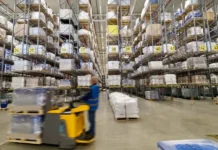
Conventional methods of transporting essential medications, such as dry ice and one-way styrofoam containers, are inadequate in maintaining the quality and effectiveness of products. When products are suspected of being exposed to temperature fluctuations, they are often discarded, leading to potential shortages for patients. It’s time to embrace innovative temperature-controlled solutions and real-time data monitoring for pharmaceutical logistics.
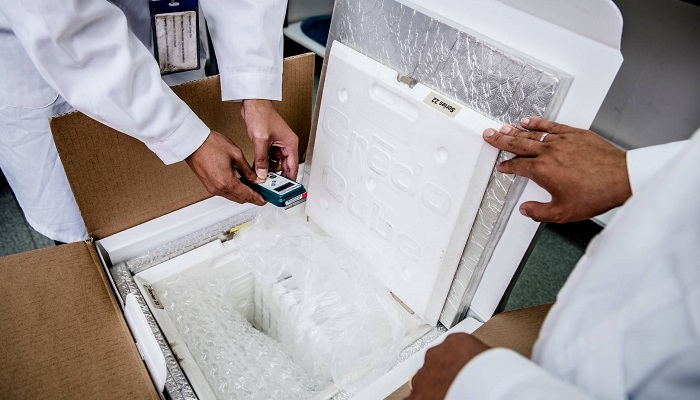
Within the pharmaceutical sector, failures in maintaining the cold supply chain lead to an estimated annual loss of $35 billion, with many of these losses attributed to logistical shortcomings. Temperature-controlled solutions are designed to endure harsh external conditions and uphold the specific temperature requirements of various products. These solutions encompass refrigeration, deep freezing, and ambient storage capabilities, facilitated by advanced cooling systems and insulation.
Advancements in technology now make real-time data monitoring feasible. By integrating sensors and advanced tracking technologies into temperature-controlled containers, companies can oversee crucial operational factors like temperature, humidity, and other vital indicators. Continuous monitoring allows for the swift identification of deviations from optimal conditions, enabling prompt preventive measures. This not only increases transparency and accountability but also enhances the entire transportation process.
Even with well-executed shipping strategies, the risk of temperature deviations remains. A more proactive approach involves combining simulation data (S data) with real-time operational data (O data).
S data is instrumental in predicting and preventing potential issues beforehand, facilitating proactive problem-solving. By anticipating disruptions, determining optimal shipping routes, and preemptively addressing transit challenges, simulation data safeguards the integrity of pharmaceutical goods. Conversely, real-time O data offers immediate insights into ongoing shipment status, enabling timely interventions when problems arise.
However, the potential of data extends beyond simulations and real-time monitoring. As the impact of hot weather intensifies, innovative solutions are essential for increased resilience and risk reduction. Collecting data directly from patients creates a powerful feedback loop, providing valuable insights into product performance. Equipped with this knowledge, pharmaceutical companies can optimize their supply chains, fine-tune processes to navigate hot weather challenges, and enhance medicine delivery.
Ultimately, the strength of data lies in its capacity to drive continuous improvement across the entire supply chain and enhance the patient experience. Through temperature-controlled solutions and leveraging real-time data monitoring, the industry can establish a robust ecosystem capable of navigating scorching summers and unforeseen disruptions.