








Smartlab Europe

Significant Cost Savings A Possibility With Biosimilars

Note* - All images used are for editorial and illustrative purposes only and may not originate from the original news provider or associated company.

Subscribe

- Never miss a story with notifications

- Gain full access to our premium content

- Browse free from any location or device.

Media Packs

Expand Your Reach With Our Customized Solutions Empowering Your Campaigns To Maximize Your Reach & Drive Real Results!

– Access the Media Pack Now

– Book a Conference Call

Leave Message for Us to Get Back

Related stories

Structural Pricing Pressure is Reshaping Pharma in 2026

In 2026, global pricing pressure in the pharmaceutical sector has shifted from a temporary, cyclical issue to a structural constraint. Explore how U.S. reforms, European reference pricing, and biosimilar competition are forcing companies to embed pricing risk into core strategy.

Merck Targets $70B Revenue in 2026 with Cidara Deal

Merck’s roughly $9.2 billion acquisition of Cidara Therapeutics and its $70 billion revenue ambition mark a strategic pivot toward respiratory vaccines and antivirals. Explore how this deal reshapes Merck’s portfolio and signals a broader industry shift toward targeted M&A to offset patent cliffs.

U.S. Drug Pricing Reset Becomes Real in 2026

In 2026, U.S. drug pricing finally moved from policy debate to P&L impact. The first set of Medicare “maximum fair prices” and Most‑Favoured‑Nation–style reference pricing are reshaping pharma margins and launch strategies.
- Advertisement -

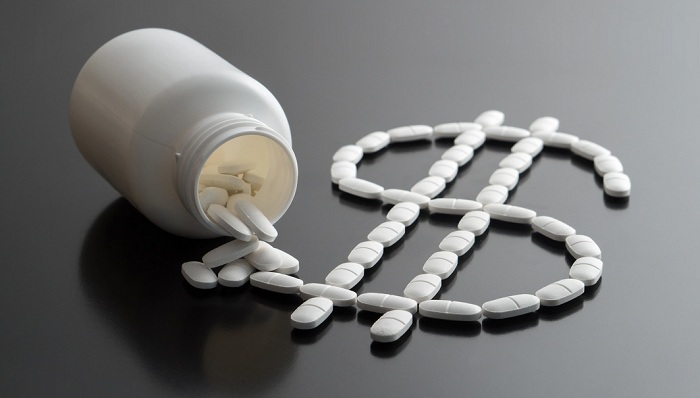
According to the AHIP report, savings from biosimilars are assumed to exceed $180 billion over the next five years, representing a four-fold increase over savings from the previous five years. In line with the report, considerations should be made to make it easier to achieve interchangeability after approval.

The health insurance industry’s advocacy and trade association has released a new resource highlighting the cost savings of using biosimilars over biologics. Biosimilars, as stated in the report, are a component of the solution to the ongoing problem of rising drug costs. 1

As per Matt Eyles, president and CEO of AHIP, health insurance providers are committed to supporting a competitive biosimilar market, and the industry continues to indulge in collaborative efforts aimed at achieving the shared goal of more affordable access to prescribing drugs as well as biologics. 2

Since 2007, 30 biosimilars have been launched in the US, and the market is growing. Another ten certified biosimilars will be available on the market by the end of 2023. So according to AHIP, biosimilar competition currently accounts for 14% of the market and is expected to grow by 15% by 2023. This increased competition with expensive biologics is expected to reduce overall costs while driving down the price of the originator element.

According to the report, the cost of drugs for biologics with a biosimilar competitor is down around 18% to 50% per unit.
The study says the authorization for interchangeability will be easier if a biosimilar has already been approved. Interchangeability is a uniquely American concept. The European Union considers all approved biosimilars to be interchangeable. In the United States, however, companies must conduct additional switching studies before receiving the designation.

Interchangeability status does not imply that the biosimilar is any more secure or even more successful than other biosimilars that do not have the designation, but it does matter to prescribers. According to a Cardinal Health report3, specialists cited interchangeability designation as a critical factor when allowed to prescribe an adalimumab biosimilar:

  • 70% dermatologists
  • 65% gastroenterologists
  • 60% rheumatologists

There have been requests in the United States to simplify the process for biosimilars to be assumed interchangeable. In November 2022, Sen. Mike Lee presented the Biosimilar Red Tape Elimination Act, which barred the FDA from performing switching studies in order to receive an interchangeable classification. 4

Recently, two Republicans and two Democrats presented legislation in the House that would direct HHS to investigate how interchangeable biologic product substitution is hampered. 5

Latest stories

Related stories

Structural Pricing Pressure is Reshaping Pharma in 2026

In 2026, global pricing pressure in the pharmaceutical sector has shifted from a temporary, cyclical issue to a structural constraint. Explore how U.S. reforms, European reference pricing, and biosimilar competition are forcing companies to embed pricing risk into core strategy.

Merck Targets $70B Revenue in 2026 with Cidara Deal

Merck’s roughly $9.2 billion acquisition of Cidara Therapeutics and its $70 billion revenue ambition mark a strategic pivot toward respiratory vaccines and antivirals. Explore how this deal reshapes Merck’s portfolio and signals a broader industry shift toward targeted M&A to offset patent cliffs.

U.S. Drug Pricing Reset Becomes Real in 2026

In 2026, U.S. drug pricing finally moved from policy debate to P&L impact. The first set of Medicare “maximum fair prices” and Most‑Favoured‑Nation–style reference pricing are reshaping pharma margins and launch strategies.

White House-Big Pharma Tariff and Pricing Deals in 2026

In early 2026, the White House struck a series of tariff and pricing deals with major pharma firms, linking lower prices for GLP‑1 and other drugs to tariff relief and new distribution channels. Explore how these arrangements are reshaping U.S. pharma pricing, access and global spillovers.

Subscribe

- Never miss a story with notifications

- Gain full access to our premium content

- Browse free from any location or device.

Media Packs

Expand Your Reach With Our Customized Solutions Empowering Your Campaigns To Maximize Your Reach & Drive Real Results!

– Access theMedia Pack Now

– Book a Conference Call

Leave Message for Us to Get Back

Translate »