










At the Pharmtech 2016 trade show SCHOTT experts will encourage visitors to take a holistic approach to find the best solution. “Consulting pharma companies on choosing the right syringe material is a request we get more and more”, says SCHOTT Regional Sales Manager Rüdiger Wagner.
“Glass’s excellent barrier properties and regulatory ease make it the first choice for drug manufacturers, but polymer’s physical stability combined with its wide design options, make it attractive as well.” Thanks to a broad portfolio of both, glass and polymer syringes, SCHOTT is in an excellent position to help the Russian pharma industry making the best choice. Visitors can find out more at booth B307. The Pharmtech 2016 trade show takes place in Moscow from November 22-25.
The question of whether glass or polymer is the better material cannot be answered generally. It all depends on the respective application. Today, glass dominates the market for prefilled syringes, but the use of polymer is expected to grow in the next few years. Wagner explains the SCHOTT approach to find out which material works best for the Russian pharma industry: “Together with the drug maker we examine the intended use of a drug and the filling process. For example, we check if the drug requires particularly inert packaging materials. Another question is the importance of design flexibility, tighter tolerances, and superior break resistance. We also consider integration with safety devices or autoinjectors and compatibility with different filling machines. And most importantly, the patient’s convenience and needs deserve special attention.”
A broad range of solutions
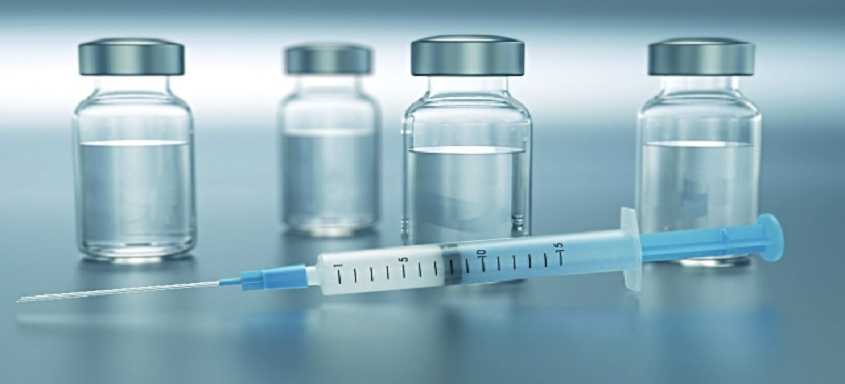
To sum it up: Drug makers must take a holistic view along the three ‘Ps’ – product, process and patient – when deciding on a material for a particular application. “We have developed a complete portfolio suitable for a variety of applications like heparin, vaccines, biotech, and special applications such as intensive care,” says Wagner. In the field of glass syringes, the offerings range from 0.5 to 3 Milliliter products marketed under the brand name syriQ®. All glass syringes are available with luer lock, luer cone or with staked needle. SCHOTT TopPac® polymer syringes, in turn, are available in the range from 1ml to 50ml with cross linked silicone for optimal functionality. In addition, the company has introduced an innovative polymer syringe designed to improve the safety of sensitive drugs: the new product named SCHOTT TopPac® SD offers new features for a reduced E&L (extractables and leachables) profile and ensures high drug stability.
SCHOTT is a leading international technology group in the areas of specialty glass and glass-ceramics. The company has more than 130 years of outstanding development, materials and technology expertise and offers a broad portfolio of high-quality products and intelligent solutions. SCHOTT is an innovative enabler for many industries, including the home appliance, pharmaceutical, electronics, optics, automotive and aviation industries. SCHOTT strives to play an important part of everyone’s life and is committed to innovation and sustainable success. The group maintains a global presence with production sites and sales offices in 35 countries. With its workforce of approximately 15,000 employees, sales of 1.93 billion euros were generated in fiscal year 2014/2015. The parent company, SCHOTT AG, has its headquarters in Mainz (Germany) and is solely owned by the Carl Zeiss Foundation. As a foundation company, SCHOTT assumes special responsibility for its employees, society and the environment. www.schott.com
SCHOTT Helps Russian Pharma Industry to find The Right Prefilled Syringe
At the Pharmtech 2016 trade show SCHOTT experts will encourage visitors to take a holistic approach to find the best solution. “Consulting pharma companies on choosing the right syringe material is a request we get more and more”, says SCHOTT Regional Sales Manager Rüdiger Wagner. “Glass’s excellent barrier properties and regulatory ease make it the first choice for drug manufacturers, but polymer’s physical stability combined with its wide design options, make it attractive as well.” Thanks to a broad portfolio of both, glass and polymer syringes, SCHOTT is in an excellent position to help the Russian pharma industry making the best choice. Visitors can find out more at booth B307. The Pharmtech 2016 trade show takes place in Moscow from November 22-25.
The question of whether glass or polymer is the better material cannot be answered generally. It all depends on the respective application. Today, glass dominates the market for prefilled syringes, but the use of polymer is expected to grow in the next few years. Wagner explains the SCHOTT approach to find out which material works best for the Russian pharma industry: “Together with the drug maker we examine the intended use of a drug and the filling process. For example, we check if the drug requires particularly inert packaging materials. Another question is the importance of design flexibility, tighter tolerances, and superior break resistance. We also consider integration with safety devices or autoinjectors and compatibility with different filling machines. And most importantly, the patient’s convenience and needs deserve special attention.”
A broad range of solutions
To sum it up: Drug makers must take a holistic view along the three ‘Ps’ – product, process and patient – when deciding on a material for a particular application. “We have developed a complete portfolio suitable for a variety of applications like heparin, vaccines, biotech, and special applications such as intensive care,” says Wagner. In the field of glass syringes, the offerings range from 0.5 to 3 Milliliter products marketed under the brand name syriQ®. All glass syringes are available with luer lock, luer cone or with staked needle. SCHOTT TopPac® polymer syringes, in turn, are available in the range from 1ml to 50ml with cross linked silicone for optimal functionality. In addition, the company has introduced an innovative polymer syringe designed to improve the safety of sensitive drugs: the new product named SCHOTT TopPac® SD offers new features for a reduced E&L (extractables and leachables) profile and ensures high drug stability.
SCHOTT is a leading international technology group in the areas of specialty glass and glass-ceramics. The company has more than 130 years of outstanding development, materials and technology expertise and offers a broad portfolio of high-quality products and intelligent solutions. SCHOTT is an innovative enabler for many industries, including the home appliance, pharmaceutical, electronics, optics, automotive and aviation industries. SCHOTT strives to play an important part of everyone’s life and is committed to innovation and sustainable success. The group maintains a global presence with production sites and sales offices in 35 countries. With its workforce of approximately 15,000 employees, sales of 1.93 billion euros were generated in fiscal year 2014/2015. The parent company, SCHOTT AG, has its headquarters in Mainz (Germany) and is solely owned by the Carl Zeiss Foundation. As a foundation company, SCHOTT assumes special responsibility for its employees, society and the environment. www.schott.com
Press contact
SCHOTT AG
Christine Rettig
Public Relations Manager
Hattenbergstraße 10
55122 Mainz
Germany
Tél.: +49 6131/66-4094
Web: http://www.schott.com