







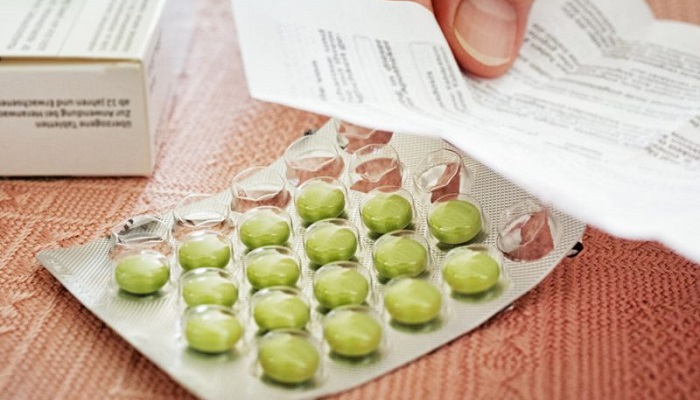
The proposal by the European Commission to re-examine the pharmaceutical legislation has ignited an extensive debate. The suggestion in the directive to offer Member States the option to choose among electronic as well as traditional paper medical leaflets builds upon valid worries when it comes to potentially eliminating older and more vulnerable demographics.
MLPS, the Medical Leaflet for Patient Safety, happens to be a subgroup of ECMA, which is the European Carton Makers Association. MLPS happens to be representing the printers of regulated pharmaceutical data, including the likes of package inserts, medication guides, and patient package inserts.
As MLPS, which is a branch of the European Carton Manufacturers Association, these concerns have been shared as they support a complementary approach that effectively has in itself the benefits of both electronic and paper mediums.
Recent surveys have shed light on the significance of this complementarity. According to a study conducted by the European Consumer Organisation, it has been revealed that across Belgium, Italy, Portugal, and Spain, a significant majority of consumers, specifically 79%, express the belief that paper leaflets must be provided alongside medications, even when a QR code option is available. The primary worries happen to be the potential displacing of the elderly, which is cause for worry for 81% of people, and an excessive dependency on the internet, which happens to be a concern for 70% of people.
Although electronic leaflets happen to have many advantages, completely replacing paper leaflets could inadvertently deny many Europeans access to medical data that’s crucial. This action presents a potential risk of medication mistakes and undermines the well-being when it comes to the patients. The existence of the digital divide is indeed supported by Eurostat data, which reveals that only 57% of individuals aged 55–74 regularly make use of the internet. Even in technologically advanced nations such as Denmark, a notable 23% of the population does not have smartphones. In addition to that, digital access continues to be out of reach for a significant number of people, especially in countries where poverty rates are high.
The proposed policy of Print on Demand, which would help the chemists’ print leaflets if asked for, presents numerous challenges. Apart from the increased workload for chemists, there is a clear and concerning challenge of making errors when using standard printers, which could potentially jeopardise patient safety.
Smaller nations that have unique languages encounter a unique set of challenges. That said, eliminating paper leaflets is no way out. The way forward is to embrace a dual approach that includes offering digital translations as well as paper leaflets for those who are less in sync with technology. The printing industry has an excellent opportunity to provide customised solutions for these countries.
Electronic leaflets also happen to raise worries that are related to data privacy. The increasing number of cyber threats has started to question the security of online health data. Ensuring that the patients’ privacy remains uncompromised, it is indeed pivotal to provide them with an access offline, to the information that is critical.
The proposed shift to electronic leaflets within a five-year timeframe appears to be planned in a hasty way. Taking into account the umpteen digital challenges that many Europeans come across, it would be indeed apt to have a longer ten-year transition window. This will obviously make sure that patient safety is not compromised.
It is well to be noted that moving forward requires an effortless integration of digital as well as traditional elements. By combining the advantages of electronic as well as paper leaflets, one can ensure that every patient has access to safe, comfortable, and secure information. Now is the right time to focus on the well-being of patients and create a revision of pharmaceutical legislation that makes sure that no one gets stranded and left behind.