












Close
CDMO Safety Testing 2026
Novotech

Location of Receptor Crucial For Effects of Psychedelic Drug

Note* - All images used are for editorial and illustrative purposes only and may not originate from the original news provider or associated company.

Subscribe

- Never miss a story with notifications

- Gain full access to our premium content

- Browse free from any location or device.

Media Packs

Expand Your Reach With Our Customized Solutions Empowering Your Campaigns To Maximize Your Reach & Drive Real Results!

โ€“ Access the Media Pack Now

โ€“ Book a Conference Call

โ€“ Leave Message for Us to Get Back

Related stories

VoxCell and adMare Partner on Antibody Therapy Research

VoxCell BioInnovation Inc. and adMare BioInnovations have entered a...

Novartis Expands Radioligand Therapy Manufacturing in US

Swiss pharmaceutical company Novartis has started construction of a...

Smart Thermal Packaging Enhancing Drug Stability Systems

Maintaining the stability of sensitive pharmaceutical compounds requires more than just standard insulation. Smart thermal packaging integrates advanced temperature control and real-time tracking to create a secure distribution environment. By ensuring that drugs remain within strict thermal parameters throughout their journey, these systems protect the efficacy of medications and enhance the reliability of pharmaceutical distribution networks worldwide.
- Advertisement -

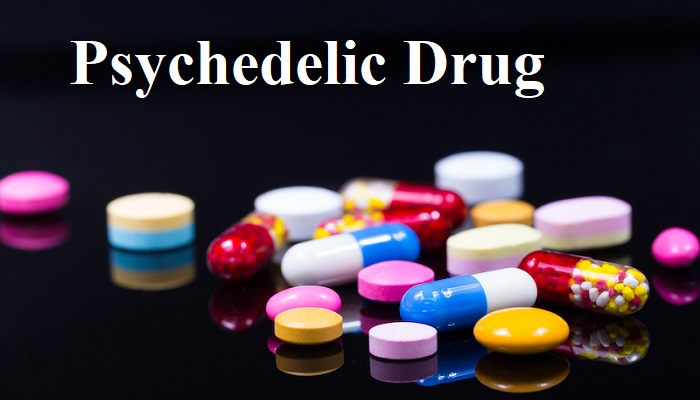
For psychedelic medications to effectively cure mental disease by swiftly re-establishing connections between nerve cells, the location happens to be crucial. In a study published on February 17 in Science, scientists from the University of California, Davis, demonstrate that while activating serotonin 2A receptors inside neurons encourages the formation of new connections, doing so on the surface of nerve cells does not.

According to senior author David E. Olson, biochemistry and molecular medicine director of the Center for Psychedelics and Neurotherapeutics at UC Davis, the findings will help drive attempts to identify novel medications for depression, PTSD, and other diseases.

LSD, MDMA, and psilocybin show significant potential for treating a variety of mental diseases defined by a loss of neural connections. A single dose of these medications has been shown in laboratory trials to stimulate the rapid growth of new dendrites, or branches, from the nerve cells, as well as the production of new spines on those dendrites.

Olson refers to this class of medications as psychoplastogens due to their potential to repair and remodel brain connections.

Previous research from Olson’s and other labs demonstrated that psychedelic drugs function by activating the serotonin 2A receptor (5-HT2AR). That said, other medicines that act on the same receptor, such as serotonin, do not have the same growth effects.

Graduate student Maxemiliano Vargas worked in Olson’s lab as he and his colleagues experimented with modifying medications chemically and employing transporters to alter how easily or difficult substances crossed cell membranes. The polar nature of serotonin makes it highly soluble in water but difficult to pass through lipid membranes that enclose cells. Yet, psychedelics are far less polar and can easily enter the inside of a cell.

They discovered that the ability of compounds to cross cell membranes was connected to their ability to promote growth.

Drug receptors are frequently depicted as being on the cell membrane and pointing outward. Serotonin 2A receptors, however, were discovered by the researchers to be concentrated inside nerve cells, primarily surrounding a structure known as the Golgi body, with some receptors being present on the cell surface. On the surface, there were additional types of signalling receptors in the same class.

The outcomes demonstrate a bias in these medications’ actions based on geography, according to Olson. A distinct result is obtained when the serotonin 2A receptor is activated inside a cell as opposed to when it is activated externally.

Olson added that it allows them to create better medications because it offers them a deeper mechanistic understanding of how the receptor promotes plasticity.

Never miss a pharmaceutical headline

The pharmaceutical industry moves fast โ€“ stay on top of it with our must - read briefings.

  • The top pharma and life sciences stories, straight to your inbox
  • The biggest news, features, interviews, and analysis
  • Dedicated coverage of the key developments driving the global pharmaceutical sector

Latest stories

Related stories

VoxCell and adMare Partner on Antibody Therapy Research

VoxCell BioInnovation Inc. and adMare BioInnovations have entered a...

Novartis Expands Radioligand Therapy Manufacturing in US

Swiss pharmaceutical company Novartis has started construction of a...

Smart Thermal Packaging Enhancing Drug Stability Systems

Maintaining the stability of sensitive pharmaceutical compounds requires more than just standard insulation. Smart thermal packaging integrates advanced temperature control and real-time tracking to create a secure distribution environment. By ensuring that drugs remain within strict thermal parameters throughout their journey, these systems protect the efficacy of medications and enhance the reliability of pharmaceutical distribution networks worldwide.

Angelini Pharma Expands US Presence with Catalyst Pharmaceuticals Acquisition

Angelini Pharma has finalized a definitive agreement to acquire...

Subscribe

- Never miss a story with notifications

- Gain full access to our premium content

- Browse free from any location or device.

Media Packs

Expand Your Reach With Our Customized Solutions Empowering Your Campaigns To Maximize Your Reach & Drive Real Results!

โ€“ Access theMedia Pack Now

โ€“ Book a Conference Call

โ€“ Leave Message for Us to Get Back

Translate ยป