









Strategies that address tissue hypoxia and metabolic dysfunction at a cellular level are increasingly shaping neuropathy treatment. Among these, hyperbaric oxygen therapy nerve regeneration has emerged as a focal point for pharmaceutical innovation. As industry stakeholders seek scalable, mechanism-driven interventions, oxygen delivery pathways are in the spotlight as both therapeutic targets and enabling platforms for next-generation drug development.
The Rationale for Oxygen-Centric Therapeutics
Neuropathy is closely linked to microvascular impairment and reduced oxygen availability, particularly in chronic and metabolic conditions. A lack of oxygen worsens nerve fiber damage, harms the protective cells that are essential for nerve repair, and reduces the body’s own signals to heal and regrow nerve tissue.
For pharmaceutical developers, this creates a dual opportunity. Research is targeting hypoxia-driven pathways directly while enhancing the body’s natural repair mechanisms through oxygenation.
Mechanistic Insights into Hyperbaric Oxygen Therapy Nerve Regeneration
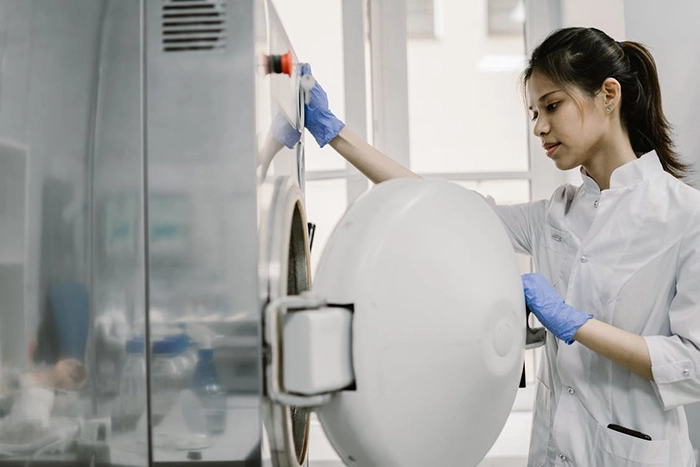
HBOT involves administering oxygen at pressures exceeding atmospheric levels. This increases dissolved oxygen in plasma, bypassing compromised microcirculation and restoring tissue oxygenation, which is critical for repair.
Key mechanisms relevant to drug development include:
- Increasing factors that promote new blood vessel growth, such as VEGF.
- Modulation of inflammatory cytokines.
- Enhanced mitochondrial function and ATP production.
- Activation of stem and progenitor cells.
These effects position HBOT as both a therapeutic modality and a biological framework for adjunctive pharmacological innovation.
Breakthroughs in Delivery Mechanisms
Recent discoveries are reshaping how oxygen delivery can be engineered at a molecular level. In 2023, researchers identified a protein-mediated mechanism for oxygen transport, revealing new opportunities to deliver oxygen more precisely to hypoxic tissues. This insight opens the door to a novel class of therapeutics designed to function as targeted oxygen carriers.
For pharmaceutical developers, such advances could enable you to design oxygen-carrying drug conjugates and tissue-specific delivery systems. These approaches align closely with precision medicine strategies and may significantly improve the performance of oxygen-sensitive or hypoxia-targeted compounds.
Emerging Research and Pipeline Opportunities
Beyond hyperbaric oxygen therapy nerve regeneration, current research is expanding into pharmacological and hybrid approaches that actively modulate oxygen dynamics. Small molecules that stabilize hypoxia-inducible factors (HIFs), nanocarriers engineered for controlled oxygen release and combination therapies integrating HBOT with regenerative biologics are all under active investigation.
These innovations reflect a broader shift from passive oxygen supplementation to targeted manipulation of oxygen pathways. This evolution creates opportunities for you to integrate such approaches directly into drug development.
| Approach | Mechanism | Development Stage | Pharma Relevance |
| HBOT | High-pressure oxygen to increase plasma solubility | Clinical use | Adjunct platform |
| Oxygen carriers | Protein or synthetic transport systems | Early-stage research | Novel drug class |
| HIF stabilizers | Enhancement of hypoxia signaling pathways | Clinical trials | Targeted therapeutics |
| Nanocarriers | Controlled oxygen delivery | Preclinical | Precision delivery |
Strategic Considerations for Industry Stakeholders
Integrating oxygen-based strategies requires alignment across R&D, regulatory and commercialization frameworks. Key considerations include:
- Regulatory classification of combination therapies.
- Scalability of oxygen delivery technologies.
- Integration with existing neuropathy pipelines.
- Reimbursement pathways for adjunctive interventions.
Strategic collaboration between academia and industry will also be critical in translating emerging science into viable therapeutics.
Advancing the Frontier of Oxygen-Based Neuropathy Solutions
The growing body of research supporting hyperbaric oxygen therapy nerve regeneration underscores a broader shift toward oxygen-centric therapeutics. For pharmaceutical innovators, this can be a strategy for you to enhance efficacy, enable regeneration and unlock new classes of treatment. As science matures, integrating oxygen delivery into drug development pipelines is likely to become a defining feature of next-generation neuropathy therapies.