











Research, cooperation, and the sustainability of safe radiopharmaceuticals for clinical application will be aided by a new IAEA radiopharmacy database. To compile into the new online database, the IAEA is now gathering data on facilities that manufacture medical radioisotopes for use in radiopharmaceuticals globally, in addition to those that generate radiopharmaceuticals. The database seeks to shed more light on patterns in radiopharmaceuticals. By highlighting any shortages in supply and fostering relationships between the many manufacturers of these goods, it will make radioisotopes and radiopharmaceutical items easier to get in these kinds of facilities.
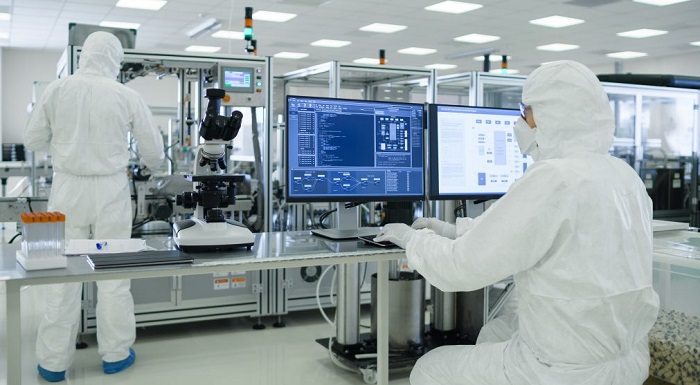
A unique family of medications known as radiopharmaceuticals usually has a limited shelf life, lasting anywhere from a few hours to a few days. This restricts their broader dissemination and highlights the need of having the necessary manufacturing facilities on hand. Before being made available for use, radiopharmaceuticals are manufactured at a variety of locations, such as hospitals, centralized radiopharmacies, and industrial radiopharmacies.
Advantages of Radiation Medicines
The past 20 years have seen tremendous advancements in radiopharmaceuticals, mostly for the treatment of certain malignancies. These advancements have allowed patients to benefit from early diagnosis, screening, staging, and the provision of alternatives for treatment, including radionuclide therapy. Due to this, radiotheranostics—which targets certain body regions with radioactive materials in order to detect and cure diseases—has become more popular and is predicted to continue to do so in the years to come.
Expectations from the field of radiopharmaceutical sciences to develop more targeted medications for individualized cancer therapy are growing as a result of the increased availability of radionuclides and a wider range of molecules to target certain illnesses. Radiopharmaceutical products should be made accessible to patients worldwide with the help of the IAEA, according to Celina Horak, Head of the IAEA’s Radiochemistry and Radiation Technology Section.
Access to many forms of information, including the kinds of radiopharmaceuticals and their availability, research centers conducting preclinical and clinical studies, and establishments that provide radioisotopes, will be made easier by the centralized database. To make it easier for database users to traverse the information supplied, three pages have been constructed and grouped into categories: radiopharmacy facilities, radionuclide manufacturing facilities, and a table containing source data.
A wide range of radiopharmaceutical manufacturers, researchers, and consumers will find the new IAEA radiopharmacy database to be a helpful resource for identifying new trends and possible supply shortages in the industry. Additionally, it will encourage and promote producer cooperation, which will lead to advancements that will increase access to radiopharmaceuticals in these kinds of institutions.
The IAEA will keep adding data from questionnaires submitted to companies that produce radioisotopes and radiopharmaceuticals to the new radiopharmacy database. The findings will be shown on an interactive map that offers a status and profile of radiopharmacies throughout the world. The previous Unit Head of Software Solutions at the IAEA, Sandra Popovic-Ovcina, said that this map would also improve information exchange and monitor trends.