









Drug Research
EMA Initiates Data Sharing Pilot for New Approach Methodologies
The European Medicines Agency has launched a voluntary framework for sharing data from non-animal testing methods to build regulatory confidence and refine drug development.
Drug Research
Antibody Performance Validation Improving Reproducibility in Pharmaceutical Research
The pharmaceutical industry currently faces a significant challenge regarding the consistency of experimental results, a phenomenon often referred to as the reproducibility crisis. Central to this issue is the variability of biological reagents, particularly antibodies, which are fundamental tools...
Business & Industry
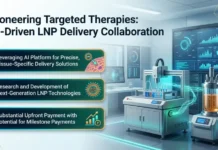
Novo Nordisk and AWS Enter Strategic AI Partnership to Accelerate Drug Discovery
Novo Nordisk has announced a strategic partnership with Amazon Web Services (AWS), naming it its preferred cloud provider and strategic AI partner, with the shared goal of accelerating drug discovery and modernising the company's technology infrastructure to prepare for...
Business & Industry
Huawei Expands AI Drug Discovery Ambitions Amid Domestic Chip Push and Policy Support
Huawei intends to deepen its artificial intelligence partnerships with pharmaceutical companies, according to William Zhang, president of the company's healthcare business unit, who confirmed to Reuters that the firm's current AI drug projects run predominantly with domestic Chinese drugmakers....
Business & Industry
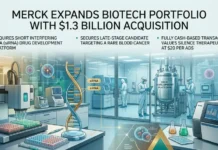
Chugai Pharmaceutical and GSK Sign Exclusive License Agreement for Anti-Dengue Antibody AID351
Japan-based Chugai Pharmaceutical has entered into an exclusive license agreement with British pharmaceutical company GlaxoSmithKline (GSK) for the anti-dengue virus antibody known as AID351, in a move that advances global efforts to combat one of the world's most widespread...
Drug Research
Advanced Molecular Research Tools Expanding Translational Applications
Clinical research organizations are currently integrating advanced molecular research tools and expanding translational applications to bridge the gap between basic laboratory discovery and patient-centered diagnostics. The transition from bench to bedside requires a suite of technologies that can handle...
Drug Research
Nucleic Acid Testing Workflows Strengthening Molecular Research
Pharmaceutical laboratories are currently standardizing nucleic acid testing workflows, strengthening molecular research to mitigate the risks associated with sample degradation and cross-contamination in high-throughput screening environments. The precision of molecular assays depends entirely on the quality of the starting...
Subscribe
- Never miss a story with notifications
- Gain full access to our premium content
- Browse free from any location or device.
Must read