










Cancer is no longer viewed solely as a clinical condition to be treated using standard methods of cancer therapy. Ongoing research into cancer biology and its diverse molecular characteristics is supporting the investigation of emerging therapeutic strategies and clinical trials of investigational cancer treatments. These approaches are increasingly designed to target specific molecular changes and interact with the immune system.
New therapeutic approaches are influencing clinical trial design and evaluation methods, helping advance the development of cancer treatments. Understanding these developments is important for healthcare professionals, researchers, industry stakeholders, and best oncology companies involved in oncology research and biopharmaceutical development.
1. Precision Medicine and Targeted Therapies
Precision medicine is one area of focus in contemporary cancer research. This approach considers the molecular profile of an individual patient’s tumor when evaluating potential treatment options. By identifying relevant genetic mutations and patterns of protein expression, healthcare professionals and researchers can assess which treatments may be appropriate for individual patients.
Tumor-specific biomarkers can help identify patients who may be suitable for treatments. Targeted therapies are designed to act on specific proteins or molecular pathways involved in cancer cell growth, division and spread. These treatments include small-molecule drugs and monoclonal antibodies.
Many clinical trials focus on a specific type of cancer and recruit patients based on the location of their tumors. However, advances in molecular profiling have made it increasingly possible to select patients based on specific genetic alterations that may occur across different cancer types. This approach allows researchers to investigate whether a treatment targeting a particular molecular alteration may have applications beyond the type of cancer for which it was initially developed.
2. Advances in Antibody-Based Treatments
Antibody-based therapies are being evaluated in cancer treatment research to better understand their potential role in cancer care. Antibodies can recognize specific proteins on cancer cells or influence how the immune system interacts with cancer. Some antibody-based treatments can also deliver cancer-killing drugs to cells expressing a particular target.
Antibody-drug conjugates (ADCs) are a class of treatments that combine an antibody with a cell-killing drug. The antibody recognizes and binds to a particular target, often a protein expressed on cancer cells, helping deliver the attached drug to the targeted cells. Researchers are studying different antibodies, cancer cell targets and drug components to understand how these treatments may be used across various cancer types.
Bispecific antibodies are designed to bind to two different targets. For example, some are developed to bind both cancer cells and immune cells, bringing immune and cancer cells closer together to help support immune-cell activity against cancer-associated targets. Although antibody-based treatments have shown potential in cancer research, several challenges remain. These include identifying suitable targets, delivering therapeutic substances effectively, understanding treatment resistance and evaluating potential toxicities.
3. Immunotherapy and Cell-Based Innovation
New therapeutic strategies are being developed to use the body’s immune system to recognize and respond to cancer cells. Some approaches involve blocking immune checkpoint proteins, which normally regulate immune responses and can limit the activity of immune cells. Other strategies aim to overcome mechanisms that allow cancer cells to evade immune recognition. Researchers are also investigating approaches for cancers that do not respond to currently available immunotherapies.
Cell-based therapies, including chimeric antigen receptor (CAR) T-cell therapy, are another major area of research. CAR T-cell therapy involves collecting a patient’s T cells, modifying them in a laboratory to recognize specific cancer-related targets and returning the modified cells to the patient.
Other approaches under investigation include tumor-infiltrating lymphocyte (TIL) therapy, T-cell receptor therapies, natural killer (NK) cell-based treatments and therapeutic cancer vaccines. These approaches have different mechanisms of action and requirements for clinical development. In addition to treatment-related toxicities, patient selection and long-term follow-up, researchers must address challenges associated with manufacturing cell-based therapies. These can include specialized facilities, quality control, production timelines and the coordination of treatment for individual patients.
4. Progress in Cancer Drug Development and Clinical Trials
Clinical trials can also investigate treatments in patients with different types of cancer when their tumors share the same relevant molecular alteration. New cancer therapies are evaluated through clinical studies to assess their potential benefits, risks and safety.
For many investigational therapies, further research is needed to understand their use in combination with other treatments. Studies also evaluate safety, appropriate dosing and clinical outcomes across different patient populations. Regulatory agencies collect and assess evidence from clinical development when evaluating investigational treatments for potential approval. Real-world evidence can also support regulatory research and help evaluate medical products throughout their lifecycle. The FDA uses real-world data and real-world evidence in certain regulatory contexts, including the evaluation of medical products and their safety and effectiveness.
5. Manufacturing and Technology in Biopharmaceutical Innovation
Developing a new cancer therapy requires more than identifying a biological target. Manufacturing processes, product quality and treatment delivery must also be carefully evaluated. This is particularly relevant for cell-based therapies, which may be individually manufactured for patients.
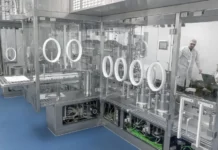
The manufacturing requirements for cell-based therapies can differ considerably from those for conventional chemical and biological medicines. For example, a patient’s cells may be collected, processed, or genetically modified in specialized facilities and then tested before being returned to the treating hospital for administration. Clinical trials involving these treatments therefore depend on suitable manufacturing capacity and coordinated logistics. Researchers are investigating gene-editing technologies, such as the CRISPR/Cas9 system, to modify or remove specific genes in cells for potential therapeutic applications. Manufacturing quality, product consistency and clinical study remain important considerations in the development of these emerging cancer therapies.
6. The Role of Research Partnerships
Developing cancer treatments involves collaboration among various institutions, including universities, clinical research organizations (CROs), hospitals and organizations in the pharmaceutical and biotechnology sectors.
These groups can work together to identify potential cancer treatment targets, conduct preclinical studies and develop diagnostic methods. They can also design and evaluate clinical trials to assess treatment, safety and efficacy. Collaboration may further support the development of specialized manufacturing systems and research facilities.
When evaluating the work of the best oncology companies, healthcare leaders should consider the scientific evidence supporting investigational treatments, their stage of development and the results of ongoing clinical trials. Early research findings and announcements about new studies should not be treated as established clinical outcomes.
What the Future Holds for Biopharmaceutical Innovation
Ongoing research in some of the best oncology companies is investigating multiple cancer treatment approaches, including precision medicine, targeted therapies, antibody-based treatments, immunotherapies and cell-based therapies. New strategies for clinical trial design, diagnostic testing and treatment manufacturing are also being investigated.
Healthcare leaders should follow clinical trial findings and updates from regulatory bodies to understand developments in cancer research. Research institutions and the oncology research organizations, along with their academic and clinical partners, continue to investigate new approaches to cancer treatment and evaluate their potential applications. The impact of current biopharmaceutical innovations in cancer treatment will become clearer through continued research and reliable clinical evidence on treatment safety and therapeutic effects. Progress will require careful evaluation and collaboration among researchers, healthcare professionals, regulatory bodies and other stakeholders across the healthcare sector.
Disclaimer: This article is intended to provide a general overview of developments in oncology research and development. It is not intended to promote or recommend any specific treatment, product, or company. Information regarding investigational therapies reflects ongoing research and should not be interpreted as evidence of safety, efficacy, or regulatory approval. Readers are encouraged to consult healthcare professionals for the most current information.