













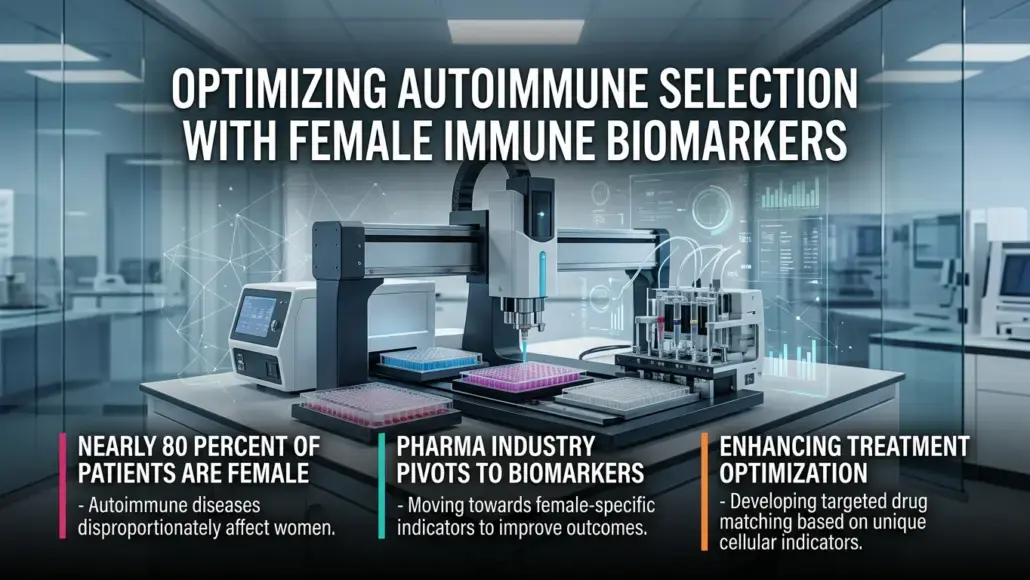
Autoimmune diseases affect women at a disproportionately high rate, with nearly 80 percent of all patients being female. Despite this staggering statistic, the underlying biological reasons for this disparity are only recently being understood with the necessary scientific depth. The pharmaceutical industry is now pivoting toward the identification of female immune biomarkers to improve how treatments are selected and optimized for this demographic. These indicators represent specific cellular and molecular changes that differ between the sexes, providing a clearer picture of how the female immune system responds to both disease and therapy. By utilizing these specialized metrics, researchers can move away from broad-spectrum immunosuppression toward more targeted, effective interventions.
The development of these immune signatures involves a comprehensive analysis of cytokine profiles, T-cell activity, and B-cell regulation in women. Studies have shown that the female immune response is generally more intense than that of males, which may explain both the higher incidence of autoimmunity and the greater protection against infections. By focusing on specialized biological signatures, drug developers can identify the specific pathways that become dysregulated in conditions like lupus, rheumatoid arthritis, and multiple sclerosis. This targeted approach allows for the selection of therapies that address the root cause of the inflammation without compromising the patient’s overall immune health. The integration of these markers is a critical step in the journey toward personalized autoimmune medicine.
Using these markers in clinical research enhances the predictability of therapeutic success. When a trial is designed around the specific biological reality of the female immune system, the resulting data is more reliable and easier to translate into clinical practice. This leads to better outcomes for patients and a more efficient drug development process for pharmaceutical companies. The commitment to understanding these specific indicators is part of a broader effort to address the historical gaps in medical research. As innovation continues to drive the sector forward, these specialized indicators will remain a cornerstone of autoimmune drug discovery and selection.
Precision Mapping of Immune System Responses
Mapping the intricacies of the female immune system requires advanced analytical tools and a commitment to sex-specific research. Traditional methods often overlooked the impact of X-chromosome inactivation and hormonal influences on immune function. However, recent breakthroughs in genomics and proteomics have allowed for the identification of specialized markers that are sensitive to these variables. By monitoring these indicators, scientists can observe how a patient’s immune status changes over time, providing valuable data for adjusting treatment protocols. This level of precision is essential for managing chronic autoimmune conditions that are characterized by periods of flare and remission.
The role of the microbiome and its interaction with the immune system is also an area of growing interest. Research suggests that the composition of gut bacteria may influence the expression of certain immune markers in women differently than in men. By integrating these findings into the study of sex-specific markers, drug developers can create more holistic treatment strategies. This approach recognizes that the immune system does not operate in a vacuum but is part of a complex network of biological systems. The ability to track these interactions at a molecular level is a hallmark of modern pharmaceutical innovation. Strategic mapping of these responses usually focuses on:
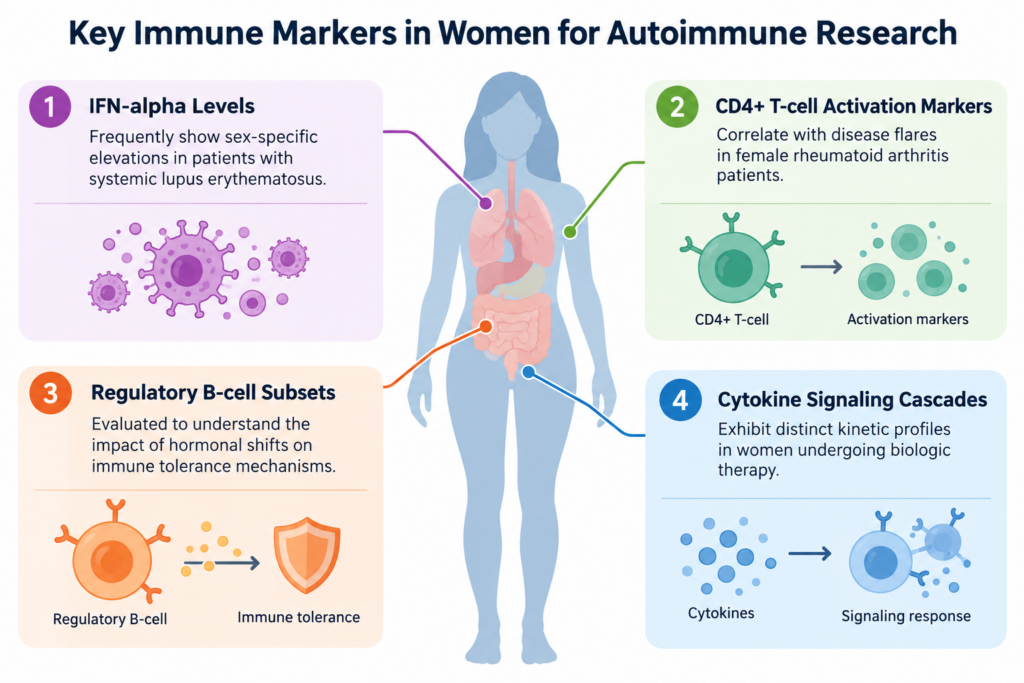
- Quantification of IFN-alpha levels which frequently show sex-specific elevations in patients with systemic lupus erythematosus.
- Analysis of CD4+ T-cell activation markers that correlate with disease flares in female rheumatoid arthritis patients.
- Monitoring of regulatory B-cell subsets to evaluate the impact of hormonal shifts on immune tolerance mechanisms.
- Evaluation of cytokine signaling cascades that exhibit distinct kinetic profiles in women undergoing biologic therapy.
Clinical Evidence and Regulatory Strategic Alignment
Generating strong clinical evidence is essential for the approval and adoption of new autoimmune therapies. Regulatory agencies are increasingly demanding that pharmaceutical companies provide data that reflects the specific experiences of female patients. The use of these specific indicators is a key component of this data collection process, providing objective evidence of a drug’s impact on the female immune system. By incorporating these markers into clinical trial endpoints, such as female clinical endpoints, researchers can demonstrate a drug’s value with greater clarity. This alignment with regulatory expectations ensures a smoother path to market and builds confidence among healthcare providers and patients.
The integration of real-world data is also critical for refining our understanding of these markers. By analyzing large datasets from patients in the community, researchers can identify trends and variations that might not be apparent in controlled trials. This real-world evidence helps in validating these specialized metrics and ensuring they are representative of diverse patient populations. The synergy between clinical trials and real-world observation is driving the development of more resilient and effective pharmaceutical products. This data-driven approach is essential for tackling the complexity of autoimmune diseases.
Collaboration between academia and industry is further accelerating the progress in this field. By sharing resources and knowledge, researchers can identify new markers and develop more sophisticated diagnostic tools. This collective effort ensures that the entire sector moves forward together, raising the bar for what constitutes high-quality immunological research. The commitment to sharing data and best practices is essential for overcoming the challenges associated with complex biological systems. As our understanding of female immune biomarkers deepens, the potential for breakthrough treatments grows exponentially.
Future Perspectives in Immunological Innovation
The future of autoimmune treatment will be defined by an even greater emphasis on the unique biological needs of women. As new technologies like single-cell sequencing and artificial intelligence become more accessible, the ability to map the female immune system will reach new heights. The ongoing development of female immune biomarkers will allow for the creation of therapies that are not just marginally effective but truly optimized for female patients. This future relies on the continued integration of genomics and digital health tools to provide a holistic view of patient health. By monitoring these indicators throughout a woman’s life, we can move from reactive treatment to proactive management.
In addition to traditional therapies, the study of these markers is opening new avenues for preventive medicine. By identifying women who are at high risk for developing autoimmune conditions through their biomarker profiles, we can intervene earlier and potentially prevent the onset of disease. This proactive strategy represents a major shift in how we think about immune health. The industry’s commitment to this area of research is a reflection of its dedication to improving the lives of patients through scientific excellence.
Ultimately, the focus on sex-specific research is about delivering better care to every patient. When the industry prioritizes the unique needs of women, it creates a more responsive and effective healthcare system. The transition toward using specialized indicators like female immune biomarkers is a testament to the power of scientific inquiry and its ability to drive meaningful change. The commitment to excellence in research and development ensures that the pharmaceutical industry remains at the forefront of global health, providing the innovative solutions needed to tackle the challenges of the 21st century.
Strategic Frameworks for Enhanced Therapeutic Selection
Developing a strategic framework for enhanced therapeutic selection involves more than just identifying new markers. It requires a holistic approach that considers the social, environmental, and biological factors that influence immune health. The use of specialized indicators provides the biological foundation for this framework, allowing for more precise and effective interventions. By combining these indicators with lifestyle modifications and early screening, we can significantly reduce the burden of autoimmune disease in the female population. This comprehensive strategy is essential for improving public health outcomes and reducing healthcare costs.
Education and awareness are also critical components of this strategy. By informing healthcare providers and patients about the importance of sex-specific markers, we can ensure that these tools are used to their full potential. The industry has a role to play in advocating for better care and more inclusive research practices. This commitment to social responsibility, paired with scientific excellence, is creating a brighter future for women’s health globally. Every new discovery in this field brings us one step closer to a world where every woman has access to the specialized care she deserves.
The evolution of autoimmune drug development is a success story for evidence-based medicine. By embracing the complexity of biological sex and investing in specialized research, the industry has made significant strides in improving health outcomes for women. The progress made today will have a lasting impact on the lives of millions, ensuring that the next generation of therapies is safer, more effective, and more inclusive than ever before. The dedication to scientific rigor and patient-centric design remains the driving force behind this transformation, proving that when we focus on the needs of all patients, everyone benefits.