













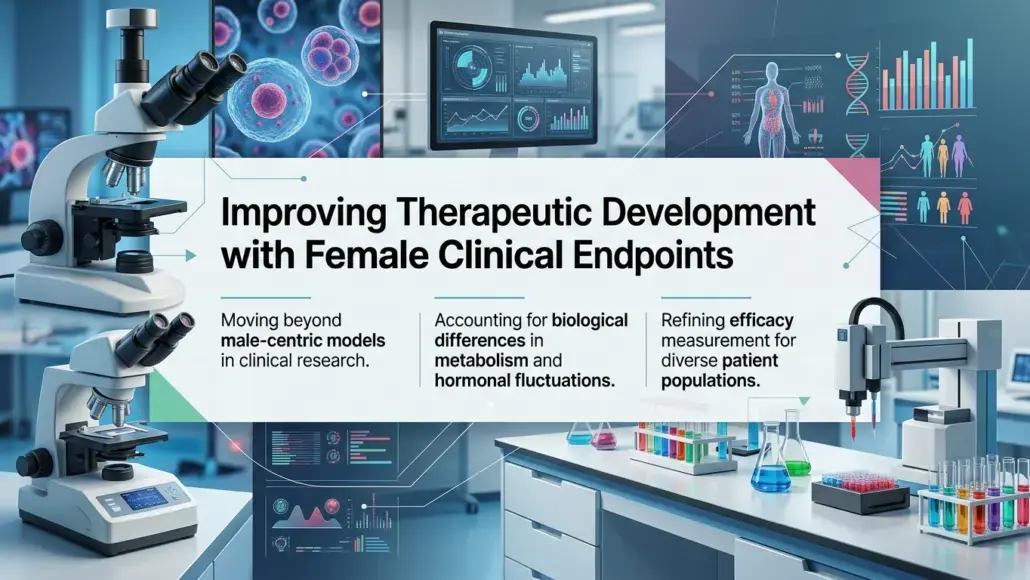
The pharmaceutical industry faces growing pressure to refine how therapeutic efficacy is measured across diverse patient populations. A significant shift in this progression involves the identification and integration of female clinical endpoints during the early and late stages of drug development. Historically, clinical research relied heavily on male-centric models, assuming that physiological responses would be uniform across sexes. However, biological differences in metabolism, hormonal fluctuations, and organ function necessitate a more nuanced approach. By establishing specific parameters that reflect female biology, researchers can better predict how a new compound will behave in women, reducing the risk of adverse reactions and improving therapeutic success. The establishment of these metrics ensures that the data generated during trials is representative of the actual population that will use the medication upon market release.
Pharmaceutical companies are increasingly recognizing that traditional markers of success might not capture the full picture of female health. For instance, in pain management or cardiovascular therapy, the primary indicators of improvement often differ between men and women. The adoption of these specific markers allows for a more precise evaluation of drug performance. This transition is not merely a regulatory requirement but a scientific necessity to ensure that medication is both safe and effective for half the global population. As drug discovery moves toward personalized medicine, the focus on sex-specific metrics becomes a cornerstone of innovation. A deeper focus on these physiological markers allows scientists to identify subtle variations in drug response that were previously overlooked in broader datasets.
The implementation of these parameters requires a deep understanding of how female anatomy and physiology influence drug kinetics. Factors such as body fat distribution, renal clearance rates, and hepatic enzyme activity play a critical role in how a woman processes a pharmaceutical agent. When these factors are ignored, the resulting data may lead to inaccurate dosing recommendations or missed opportunities for therapeutic optimization. Integrating these variables ensures that trials are more reliable and produce better patient outcomes. Scientists must consider the intersection of age, ethnicity, and hormonal status when defining these goals to ensure comprehensive coverage of the female patient experience.
Redefining Efficacy Through Sex Specific Parameters
The evolution of clinical trial design now prioritizes the establishment of outcomes that resonate with female-specific biological pathways. In many therapeutic areas, the primary outcome measures used to approve drugs were developed based on data from male subjects. This historical bias has occasionally led to drugs being approved that provide suboptimal benefits for women or carry higher risks of side effects. By identifying specific goals that reflect the unique manifestation of diseases in women, the industry can create more effective treatment protocols. This is particularly evident in the study of chronic conditions where symptoms and progression differ significantly between sexes. Proper identification of these parameters typically involves:
- Comprehensive analysis of sex-specific metabolic pathways to identify relevant molecular targets.
- Standardization of patient-reported outcomes to capture the sensory and functional nuances of female disease experience.
- Continuous adjustment of safety thresholds based on early-phase toxicity signals observed in female participants.
- Integration of digital health metrics to monitor physiological changes during the reproductive cycle.
Research indicates that women often experience different symptom clusters than men, yet clinical trials frequently use a singular set of criteria to measure improvement. For example, in oncology or autoimmune research, the standard metrics might not adequately represent the quality of life or the functional recovery of female patients. Establishing specific objectives that specifically target these nuances allows for a more comprehensive assessment of a drug’s value. This approach enables pharmaceutical developers to identify specific populations that will benefit most from a therapy, streamlining the path to market approval. The industry is now looking at patient-reported outcomes as a way to supplement traditional clinical data, providing a more holistic view of efficacy.
The integration of these specific metrics also aids in the identification of potential safety signals that might otherwise remain hidden. By monitoring how a drug affects female-specific physiological markers, researchers can detect early signs of toxicity or lack of efficacy. This proactive strategy reduces the likelihood of late-stage trial failures, which are costly and delay the availability of life-saving medications. The focus on specialized metrics represents a proactive shift toward a more inclusive and scientifically rigorous methodology in drug development. By prioritizing these observations, developers can build a more convincing case for drug safety during the regulatory review process.
Biological Variations and Data Integrity in Research
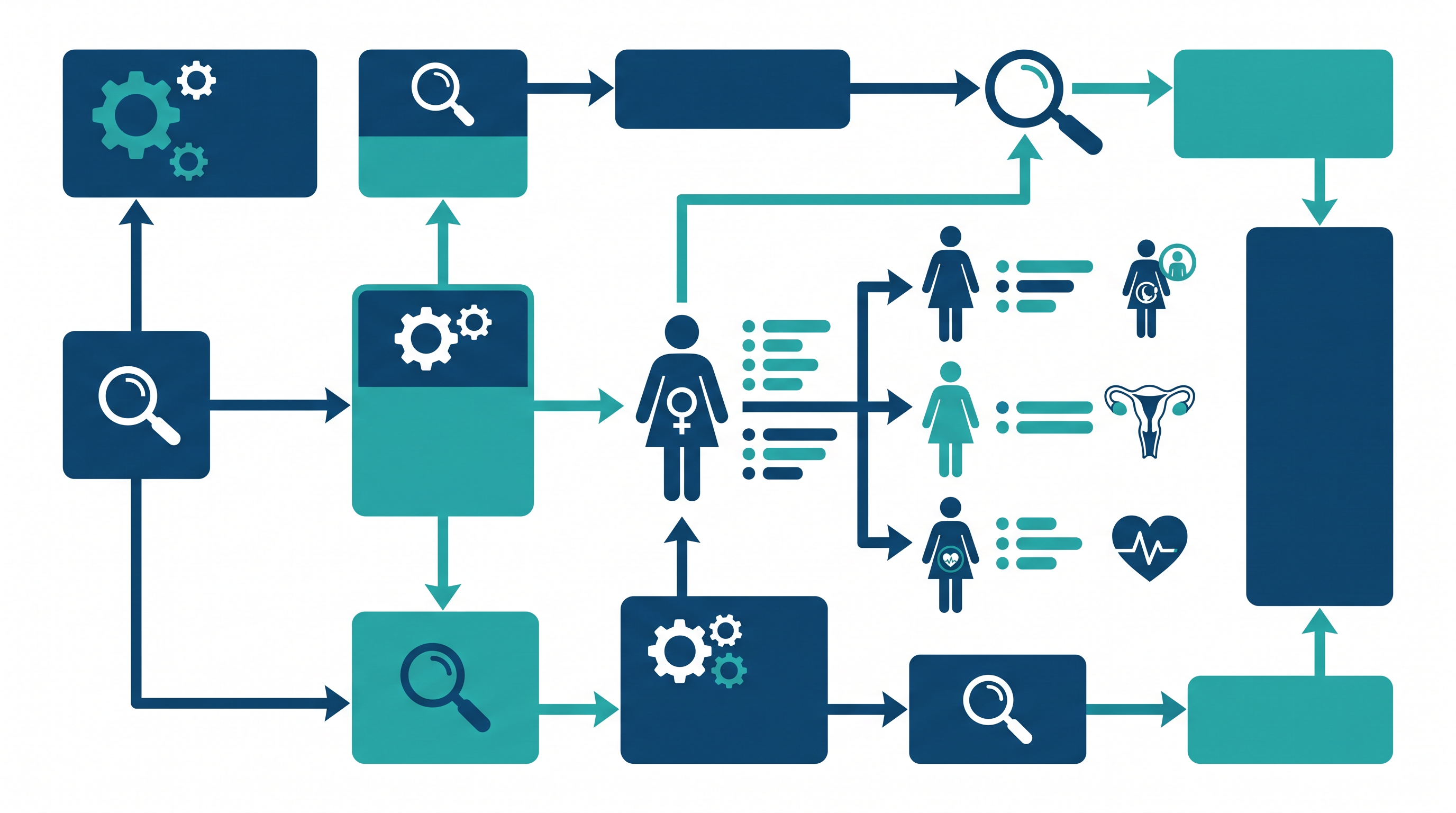
Achieving high-quality clinical evidence requires a commitment to addressing the biological variations inherent in the female population. Hormonal cycles, pregnancy, and menopause significantly alter how drugs are absorbed and metabolized. Standard clinical metrics often fail to account for these shifts, leading to data that lacks the necessary granularity for female-specific applications. By incorporating specialized goals that track these changes, the pharmaceutical sector can produce data that is more reflective of real-world scenarios. This leads to the development of labeling and dosing instructions that are tailored to the actual needs of female patients.
Data integrity is bolstered when researchers move beyond a one-size-fits-all approach. When clinical trials are designed with specialized goals in mind, the resulting evidence is more reliable and easier to interpret for regulatory bodies. This precision reduces ambiguity in trial results and provides a clearer picture of a drug’s safety profile. The inclusion of sex-specific biomarkers, such as female cardiovascular biomarkers, helps in refining these goals by providing measurable indicators of physiological change that are unique to the female body. These biomarkers act as early warning systems, allowing researchers to adjust trial parameters in real time to protect participant safety.
The use of advanced data analytics and molecular biology has made it easier to identify these specific goals. Modern research tools allow for the tracking of thousands of variables simultaneously, making it possible to isolate those that are most relevant to female health. This technological capability, combined with a strategic focus on sex-specific markers, is driving the next generation of therapeutic innovation. The result is a more efficient development process that prioritizes the health and safety of women through evidence-based science. As machine learning algorithms become more sophisticated, the ability to predict sex-specific drug interactions will continue to improve.
Strategic Implementation and Regulatory Alignment
The pharmaceutical industry is aligning its internal strategies with emerging regulatory guidelines that emphasize sex-specific data. Regulators are increasingly asking for evidence that a drug’s benefits outweigh its risks for both men and women independently. To meet these demands, companies must integrate specialized metrics early in the development cycle. This alignment ensures that once a drug reaches the approval stage, there is sufficient data to support its use across all patient groups. Strategic investment in this area is not just about compliance: it is about building a portfolio of products that are demonstrably superior for their intended users.
Alignment with these regulatory expectations also facilitates faster market entry. When a developer can provide clear, sex-specific evidence through well-defined goals, the review process becomes more straightforward. There is less need for post-marketing studies to address unanswered questions about a drug’s effects in women. This efficiency benefits both the manufacturer and the patient, as effective treatments reach those in need more quickly. The industry’s commitment to these endpoints is a reflection of a broader trend toward precision medicine and health equity. Companies that adopt these practices early are likely to see a competitive advantage in an increasingly crowded marketplace.
Collaboration between academia, industry, and regulatory bodies is essential for the continued refinement of these metrics. Sharing data and best practices allows for the standardization of specialized goals across different therapeutic classes. This collective effort ensures that the entire sector moves forward together, raising the bar for what constitutes high-quality clinical research. By fostering an environment where sex-specific data is valued, the industry is setting a new standard for therapeutic excellence. The development of unified frameworks for female-specific data collection will help reduce discrepancies in how different companies report their findings.
Future Directions in Gender Conscious Drug Development
Looking ahead, the role of female clinical endpoints will only grow in importance as the industry tackles more complex diseases. Chronic conditions, rare diseases, and neurodegenerative disorders often exhibit sex-specific patterns that require specialized attention. The continued development of these metrics will allow for the creation of therapies that are not just marginally better, but fundamentally more effective for women. This future relies on the continued integration of genomics, proteomics, and digital health tools to monitor patient responses with unprecedented accuracy. By leveraging these technologies, researchers can create a dynamic feedback loop that constantly refines the therapeutic approach.
The expansion of this field will also lead to new opportunities in drug repurposing and combination therapies. By understanding the specific ways in which existing drugs interact with female biology through established female clinical endpoints, companies can identify new uses for older compounds. This maximizes the value of current assets while providing new options for female patients. The analytical depth provided by sex-specific endpoints is a powerful tool for innovation and growth in the pharmaceutical market. Investors are increasingly looking at sex-specific data as a key indicator of a drug’s potential for commercial success.
Ultimately, the focus on female clinical endpoints is about improving the lives of patients. When the industry prioritizes the unique needs of women, it creates a healthcare ecosystem that is more responsive and effective. The transition toward sex-specific research is a testament to the power of scientific inquiry and its ability to drive meaningful change. As the industry continues to evolve, the integration of these specialized goals will remain a vital component of a successful and ethical drug development strategy. Every step forward in this area represents a victory for evidence-based medicine and a commitment to providing the best possible care for all patients, regardless of biological sex. The shift toward this model is not just a trend, but a permanent evolution in the way we understand and treat human health.