














Quick Answer
Canada runs short on medications because it imports roughly 90% of its prescription drugs, leaving the supply chain exposed to factory slowdowns, manufacturing problems, shipping delays, and sudden demand spikes. When a single overseas plant stalls, shelves empty fast. Compounding pharmacies help by preparing medications from raw pharmaceutical ingredients, recreating the strength and form a patient needs when the commercial version simply isn’t available.
Introduction
Picture a parent standing in a pharmacy aisle at 9 p.m., staring at an empty shelf where the children’s fever medicine should be. It’s a scene that has played out across the country more than once, and it leaves people wondering how a wealthy nation keeps coming up empty.
The reason isn’t bad luck. It’s a supply chain stretched thin across oceans, and it explains why drug shortages Canada faces have become a recurring headline rather than a rare emergency. Most of the medicine Canadians rely on is made in a handful of plants abroad, so a hiccup thousands of kilometres away can empty local shelves within days.
Shortages don’t have to derail your care, though. Patients and pharmacists work around them every day, and understanding the causes is the first step toward finding a steady solution.
What Empties Canada’s Medicine Cabinet
Most people assume a rich country produces its own medicine. The reality is the opposite. Canada makes very little of what fills its prescriptions, which leaves the whole system leaning on factories in other parts of the world. When one of those factories stumbles, the effect travels straight to the corner drugstore.
The scale of the problem keeps growing. Roughly one in four drugs sold each year in Canada is touched by a supply disruption, and the number of reports climbs most years. These aren’t all crises, but enough of them are serious that patients feel the pinch regularly.
The Main Reasons Shelves Go Bare
Supply problems rarely have a single cause. They usually trace back to a few repeat offenders:
- Manufacturing problems. A contamination issue or equipment failure at one plant can halt an entire product line.
- Import dependence. With about 90% of prescription drugs coming from abroad, a delay overseas hits fast and hard.
- Shipping and border delays. Medicine stuck in transit is medicine that isn’t on the shelf.
- Sudden demand spikes. A bad flu season or a viral news story can clear stock in hours.
- Discontinued products. When a maker walks away from a low-profit drug, few rush to replace it.
How Serious a Shortage Gets
Not every shortage is equal. Health Canada sorts the most serious ones into a top category called Tier 3, the disruptions with the greatest potential to harm patients and strain the health system.
| Shortage Level | What It Means for Patients |
|---|---|
| Lower tier | Often invisible; another brand or format usually fills the gap |
| Mid tier | Some scrambling; pharmacists hunt for alternatives |
| Tier 3 | Highest risk; few or no substitutes, real treatment delays |
The stretch of empty shelves can last a while, too. A single reported shortage has historically averaged around three months, and some drag on far longer. For someone managing epilepsy, blood pressure, or chronic pain, that kind of gap isn’t an inconvenience. It can put their health at real risk. The recurring nature of prescription drug shortage Canada patients now expect has pushed families and pharmacists to look for backup plans that don’t depend on the next shipment arriving on time.
That search for a reliable workaround leads straight to a corner of the profession most people never think about until they need it.
How Compounding Pharmacies Fill the Gap
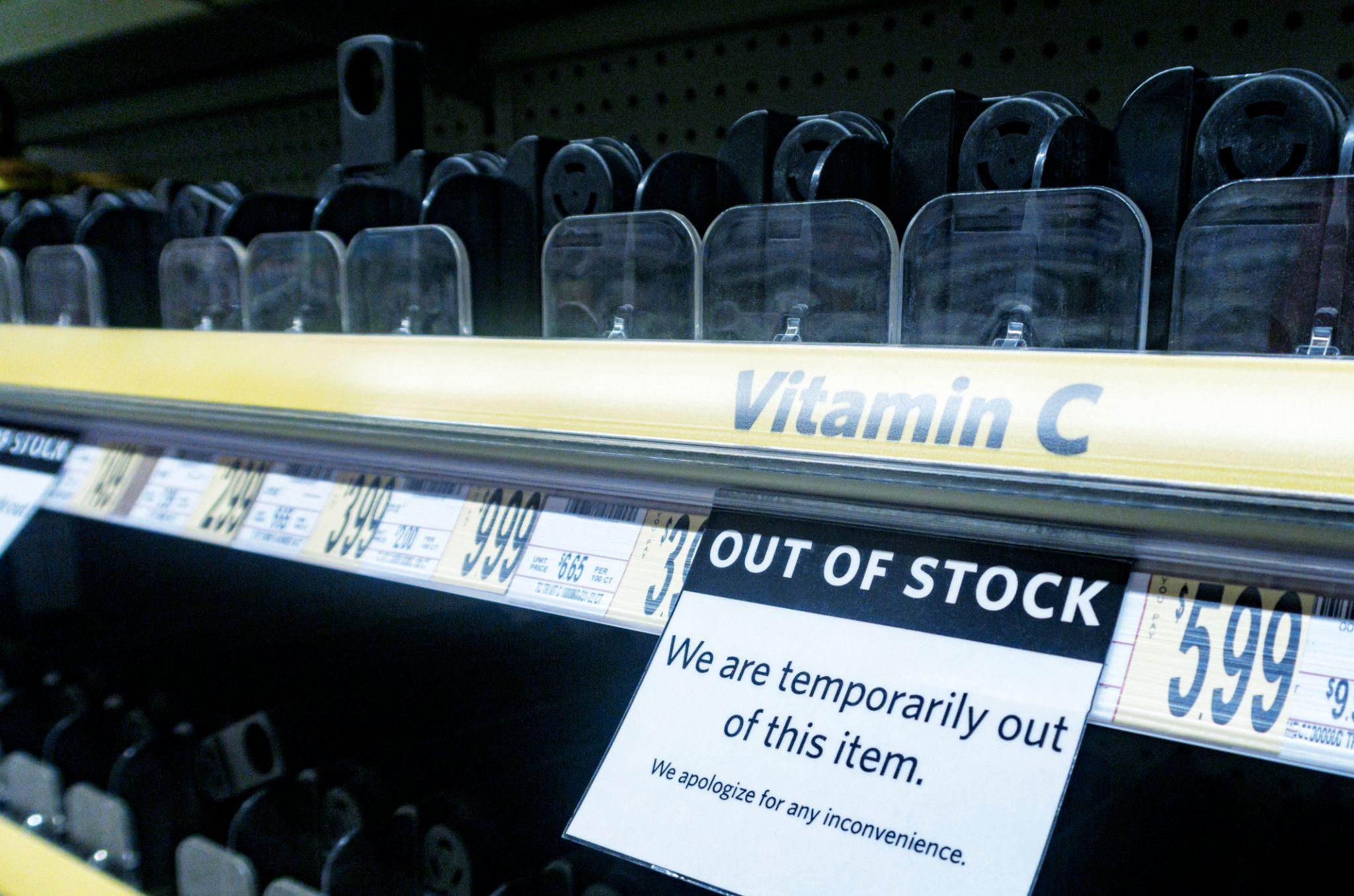
When a manufactured drug vanishes, a compounding pharmacy can often build a working substitute from scratch. Instead of waiting for a shipment, these pharmacies source the pure, pharmaceutical-grade active ingredient and prepare the medication to match the strength and form a doctor ordered. They work like small local labs, held to strict national safety standards.
This flexibility solves problems that mass production can’t. A toddler who needs a liquid version of a drug that only comes as an adult tablet, or a senior who can’t swallow pills, both fall outside what a factory churns out by the millions.
What Compounded Medications Can Do
The value of compounded medications shows up most clearly during medication shortages Canada:
- Recreate the missing drug. Mimic a commercial product that’s temporarily unavailable.
- Adjust the dose. Prepare a precise, weight-based strength for a child or a sensitive patient.
- Change the form. Turn a tablet into a flavoured liquid, a cream, a dissolving lozenge, or a thin oral film.
- Remove problem ingredients. Leave out a dye, filler, or allergen a patient can’t tolerate.
The 2022 run on children’s pain and fever medicine showed exactly why this matters. With shelves empty, some parents resorted to splitting adult tablets or mixing their own suspensions at home, and poison control calls rose. Pharmacists at a compounding pharmacy had the training and equipment to prepare safe pediatric doses instead, a far steadier option than guesswork at the kitchen counter.
There are limits worth knowing. A compounded preparation almost always needs a prescription, since it’s made for a specific person using their individual details. It also isn’t meant to replace the commercial supply chain wholesale. It’s a targeted bridge for when that chain breaks. Used that way, it keeps treatment on track while the broader system sorts itself out.
Knowing this option exists changes how you can respond the next time a pharmacist says the shelf is empty.
Keeping Your Treatment on Track
Empty pharmacy shelves aren’t going away overnight. As long as the country leans on a handful of overseas factories for most of its medicine, a single disruption abroad will keep rippling into local drugstores. The pattern of medication shortages in Canada reflects a supply chain built for efficiency, not resilience, and fixing that is a slow, national project.
What you can control is how you respond. Talk to your pharmacist early if a refill looks uncertain, ask whether a different format or a compounded version is possible, and don’t improvise doses at home. A good pharmacist can often find a path forward before a gap ever affects your health.
Shortages test the system, but they don’t have to derail your treatment. With the right questions and the right professional in your corner, there’s almost always a way to keep your care steady, even when the usual bottle is nowhere to be found.