












Healthcare systems face growing imaging volumes and a limited number of radiology specialists to handle them. AI-powered imaging systems can help close this gap by streamlining routine tasks and giving radiologists more time for complex cases and clinical decisions. Here’s how these systems can increase your radiologist capacity and support faster, more efficient imaging workflows.
The Radiologist Shortage Is Increasing Pressure on Healthcare Systems
Demand for diagnostic imaging is rising sharply. Imaging needs are projected to be 16.9% to 26.9% higher in 2055 than in 2023, placing greater pressure on healthcare systems to deliver timely and accurate image interpretation across routine diagnosis, complex cases and ongoing patient care.
However, the available workforce is not large enough to meet that demand. The U.S. currently has around 31,960 radiologists, alongside approximately 1,400 open opportunities in the radiology sector. With demand continuing to grow, this workforce gap can lead to heavier caseloads, longer turnaround times and reduced capacity for complex examinations. The effects can also extend to clinical research, where imaging is increasingly important for oncology trials and treatment assessment.
Several factors are driving the shortage. An aging workforce is approaching retirement, and burnout and demanding workloads contribute to turnover. In addition, recruitment across markets can be restricted by licensing and language requirements, and fragmented workflows can leave radiologists spending substantial time on administrative and noninterpretive tasks.
You cannot address this gap through recruitment alone. Increasing the productivity of the existing workforce is becoming an important part of expanding diagnostic capacity, and AI adoption is a solution currently gaining traction.
How AI-Powered Imaging Systems Expand Radiologist Capacity
 AI is moving quickly from an emerging technology to an established part of medical imaging. As of June 2026, about 76.4% of all AI-enabled medical devices cleared by the FDA were for radiology. This demonstrates the potential for AI to expand radiologist capacity across several parts of the imaging workflow.
Streamlining Imaging Workflows
You can use AI to reduce the time spent on routine tasks, including scheduling, report generation, image quality checks and image processing. For example, AI can detect motion artifacts, poor contrast or incorrect positioning before an image reaches the radiologist. This helps reduce repeat scans and delays.
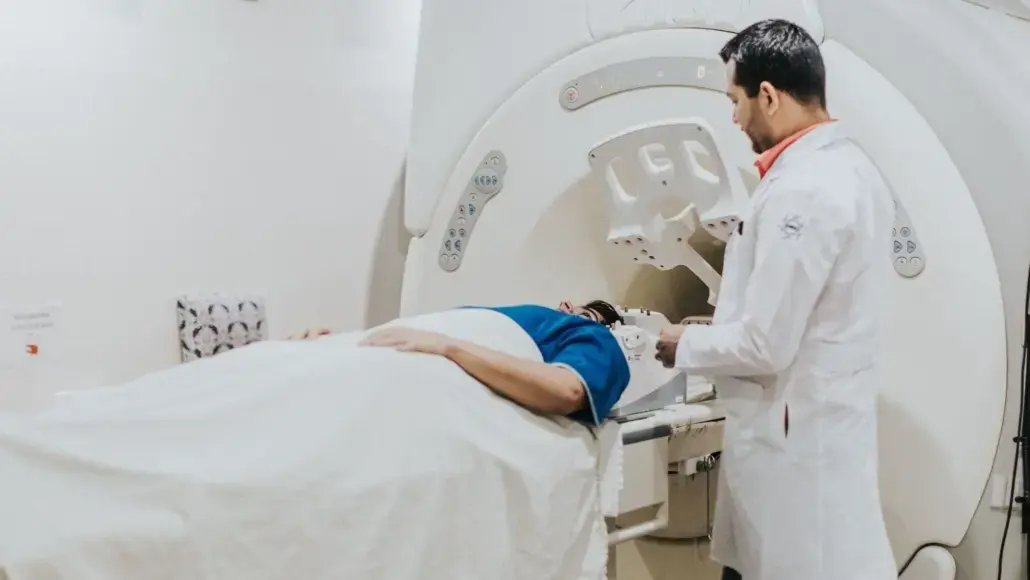
AI can speed up the imaging process itself. Deep learning techniques can shorten MRI scan times by accelerating image capture and reconstruction while maintaining image quality. This can help imaging departments process more patients without requiring additional scanner time for every examination.
AI-assisted scheduling can also analyze patient information, equipment availability and radiologist schedules to reduce conflicts and idle time. Predictive tools may anticipate no-shows and help match cases with available resources, allowing imaging departments to make better use of their existing capacity.
Prioritizing Urgent Cases
When imaging volumes are high, AI can help identify examinations that may require faster attention. Predictive tools can assess clinical information and historical patterns to help prioritize urgent examinations, while routine cases can be scheduled during less-busy periods when appropriate.
AI-assisted scheduling can reduce bottlenecks and help ensure that urgent examinations receive timely review, while preventing routine cases from overwhelming the workflow.
Reducing Workload Outside of Image Reading
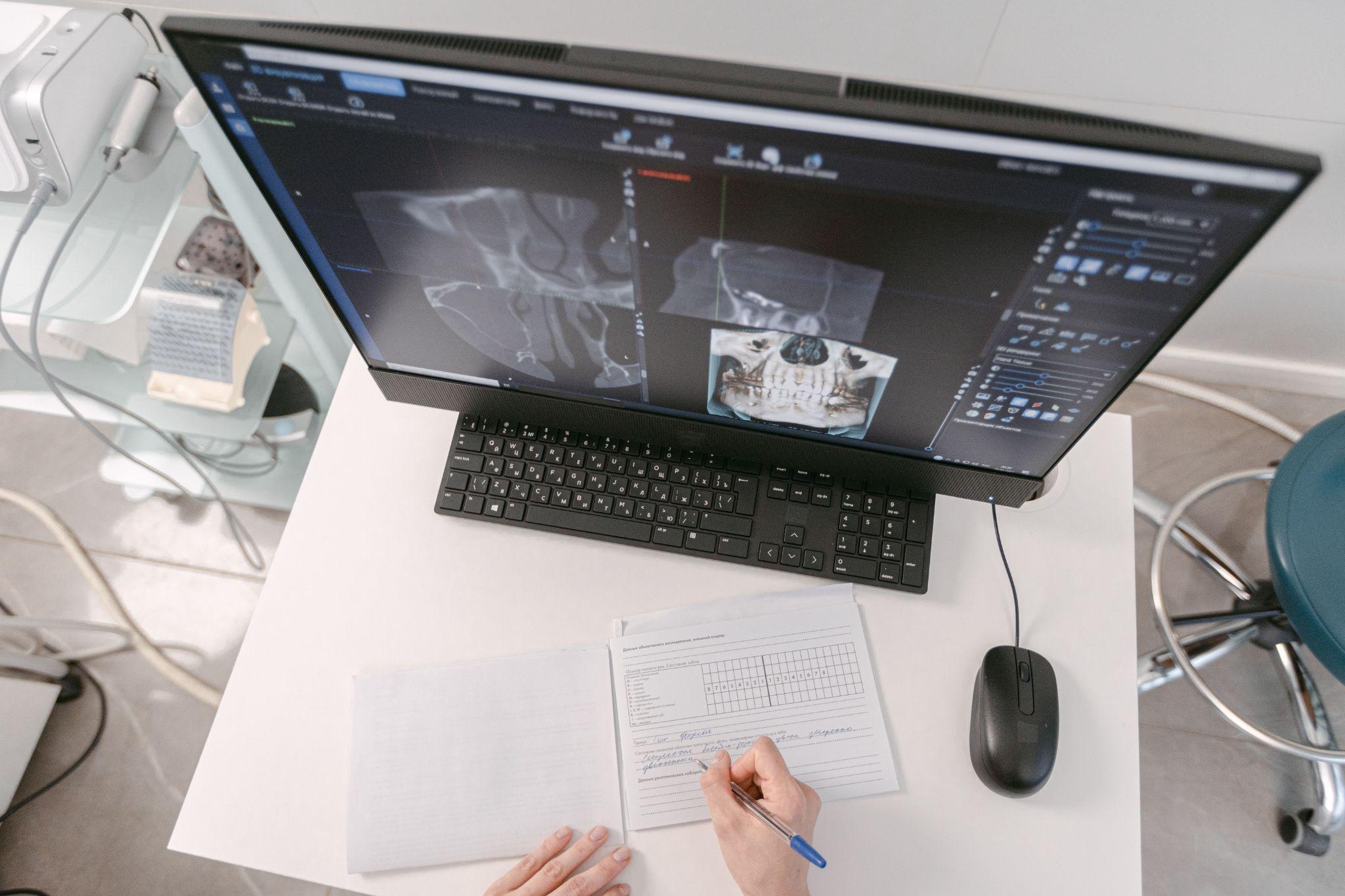
A radiologist’s workload also includes administration, education, communication and coordination. You may leverage AI to support some of these responsibilities through automated case assignment, training tools, remote collaboration and workload management.
Reducing repetitive work may help address burnout and improve workforce sustainability. When used effectively, these tools can give radiologists more time for complex cases, patient care and other work that requires specialist expertise.
Supporting Faster Interpretation and Improving Accuracy
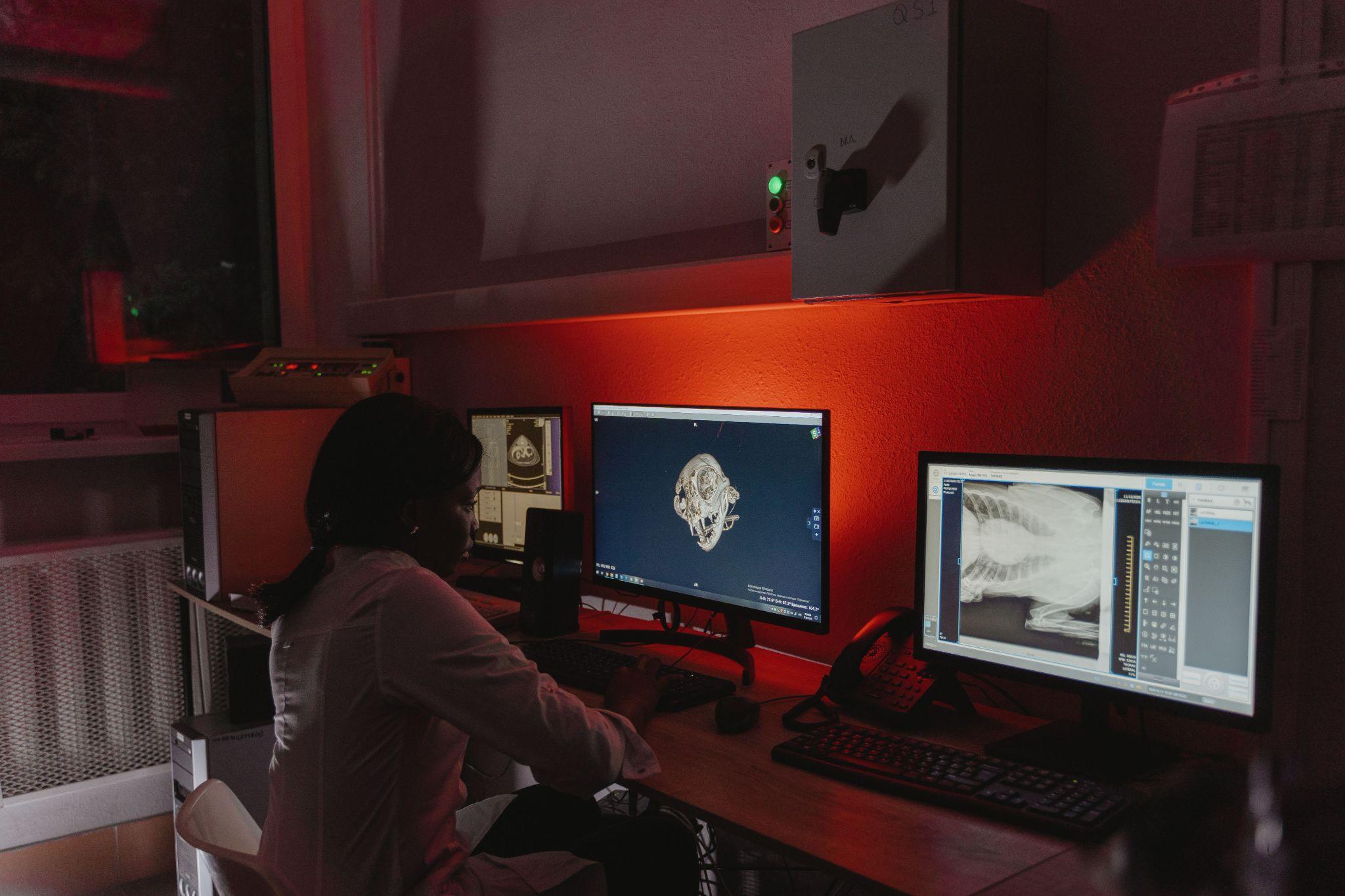
Perhaps the most important way AI-powered imaging systems can help address the radiologist shortage is by supporting faster, more accurate image interpretation. These tools can highlight abnormalities that may be difficult to detect and provide additional findings for radiologists to review. They can help your specialists process high volumes of imaging data more efficiently.
A wide range of research supports the potential. One study across 43 clinical trials found that AI-assisted colonoscopies detected more polyps than conventional procedures. Similar tools can assist with other imaging modalities by identifying patterns and findings that warrant closer attention.
Will AI Replace Radiologists?
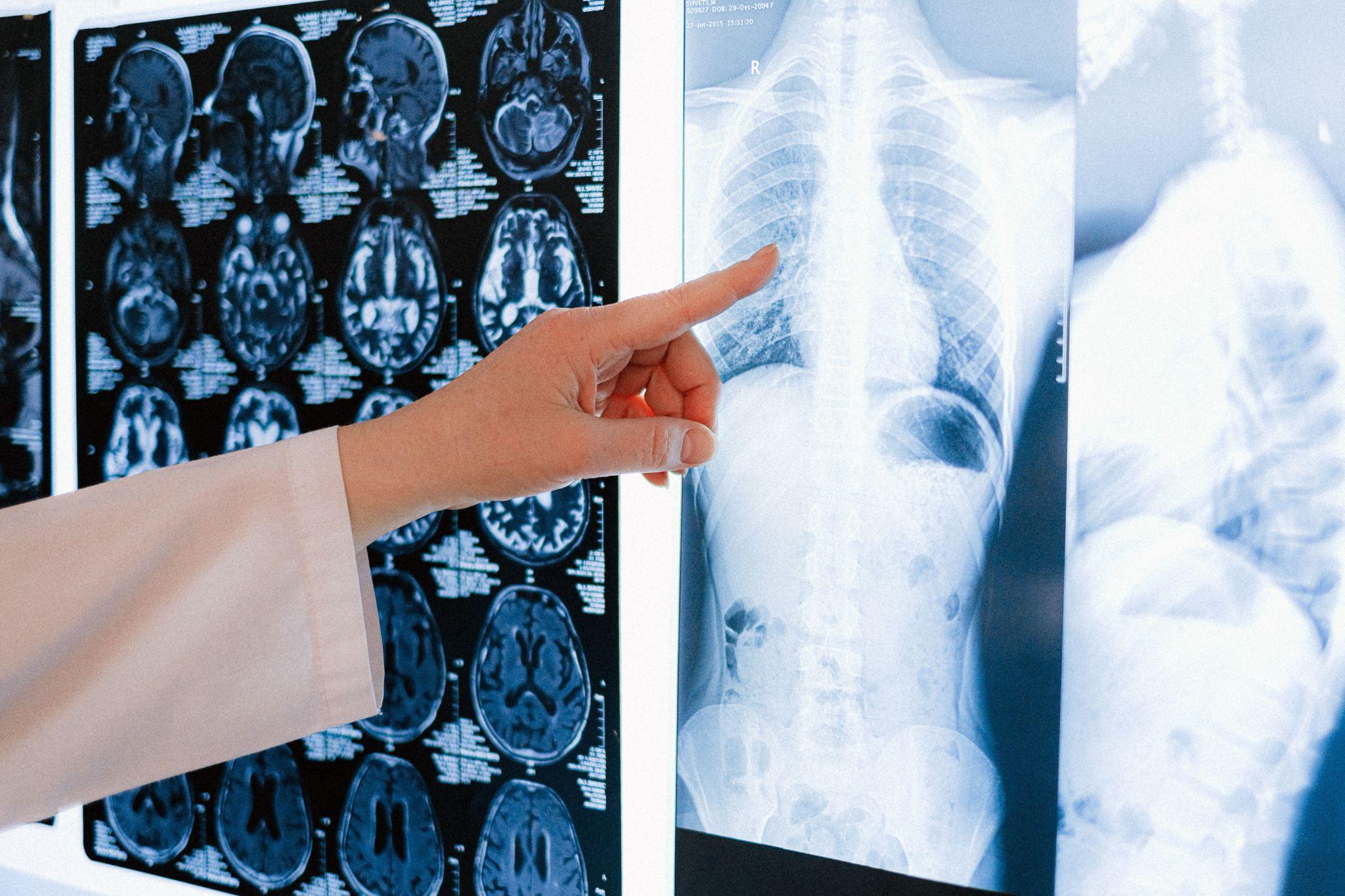 Although AI makes imaging systems more capable, the evidence points toward augmentation rather than replacement. AI can identify findings, speed up routine analysis and support decision-making, but radiologists still provide clinical context, interpret complex cases and take responsibility for patient care. The stronger model is therefore a collaboration between human expertise and machine-assisted analysis.
What It Takes to Make AI-Powered Imaging Work at Scale
AI’s potential to address radiology workforce pressures depends on how effectively it’s integrated into clinical environments. You need to evaluate more than a system’s headline accuracy before deployment. Here’s what you need to consider:
- Clinical validation: Tools should perform reliably across relevant patient populations and use cases.
- System integration: AI needs to work with existing imaging infrastructure, PACS and electronic health records. Poor integration can create additional work instead of reducing it.
- Data and security: Make sure you address data quality, interoperability, cybersecurity and patient privacy.
- Research applications: Imaging AI should produce reliable, standardized and reproducible outputs for clinical trials, imaging biomarkers and treatment-response assessment.
- Ongoing oversight: You must monitor performance over time, account for changes in system performance, and maintain appropriate human review.
Giving Radiologists a Second Set of Eyes
AI-powered imaging systems cannot solve the radiologist shortage by creating more specialists overnight. However, they can help existing teams process images faster, prioritize urgent cases and spend less time on routine work. With the growing demand, AI could become an important part of the radiology workforce.