














Close
Smartlab Europe
Inizio Ignite

Human Lungs Created To Test Drugs By Australian Scientists

Note* - All images used are for editorial and illustrative purposes only and may not originate from the original news provider or associated company.

Subscribe

- Never miss a story with notifications

- Gain full access to our premium content

- Browse free from any location or device.

Media Packs

Expand Your Reach With Our Customized Solutions Empowering Your Campaigns To Maximize Your Reach & Drive Real Results!

– Access the Media Pack Now

– Book a Conference Call

Leave Message for Us to Get Back

Related stories

Injectable Drug Formulation Trends in Biopharma

Analysis of the evolving landscape of parenteral delivery, focusing on the stability of high-concentration biologics and the integration of patient-centric delivery devices.

ACG Packaging Materials Joins WEF Global Lighthouse Network

ACG Packaging Materials has announced that its Shirwal manufacturing...

Future Trends in Pharmaceutical Drug Delivery Platforms

Forward-looking perspective on the convergence of digital technology, bioengineering, and material science in creating the next generation of therapeutic delivery systems.
- Advertisement -

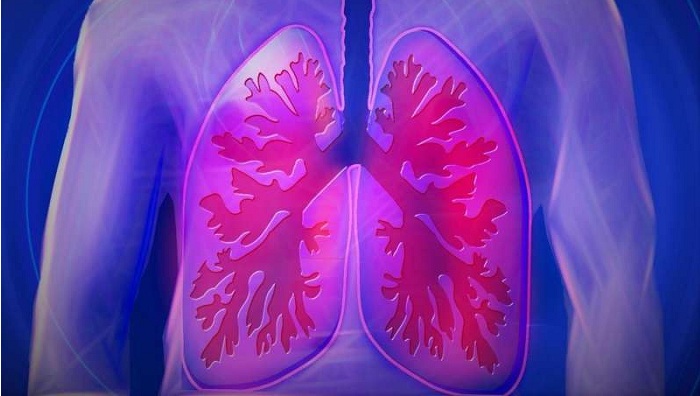
University of Australia scientists, with collaborators from South Korea, China, and, of course, Australia, have gone on to develop a step-wise blueprint so as to create advanced human lung models in the lab, which, according to them, is going to accelerate the exploration and also the development of novel drugs and thereby reduce reliance on animal testing to gauge their efficacy.

Notably, lab-made lungs that are named organoids or mini organs are 3D structures that are grown from human primary cells that mirror actual organs in the body. They, as a matter of fact, serve as a testing ground when it comes to biomedical research.

Professor of nanomedicine at the Sydney Pharmacy School, Wojciech Chrzanowski, who happens to be the faculty of medicine and a member of the Charles Perkins Centre as well as a senior author, opines that this work is important since, because of it, they will be able to lessen the animal numbers in medical research, speed up the discovery of new drugs, and also accelerate innovative strategies when it comes to treating diseases.

It is well to note that Australia went on to ban cosmetic animal testing in 2020, and even the United States passed legislation last year ending the requirement that new drugs be tested on animals.

Significantly, these artificial lung models put Australia at the forefront in mini organ research, said Professor Wojciech Chrzanowski, who has been asking for the establishment of a national centre for medical research alternatives to animal methodology.


Latest stories

Related stories

Injectable Drug Formulation Trends in Biopharma

Analysis of the evolving landscape of parenteral delivery, focusing on the stability of high-concentration biologics and the integration of patient-centric delivery devices.

ACG Packaging Materials Joins WEF Global Lighthouse Network

ACG Packaging Materials has announced that its Shirwal manufacturing...

Future Trends in Pharmaceutical Drug Delivery Platforms

Forward-looking perspective on the convergence of digital technology, bioengineering, and material science in creating the next generation of therapeutic delivery systems.

Advancing Drug Formulation Stability in Modern Pharma

Exploration of the chemical, physical, and environmental factors that compromise the integrity of modern therapeutics, and the advanced testing protocols used to ensure safety.

Subscribe

- Never miss a story with notifications

- Gain full access to our premium content

- Browse free from any location or device.

Media Packs

Expand Your Reach With Our Customized Solutions Empowering Your Campaigns To Maximize Your Reach & Drive Real Results!

– Access theMedia Pack Now

– Book a Conference Call

Leave Message for Us to Get Back

Translate »