














Close
Novotech
Jabsco PureFlo 21 Single Use

IATA addresses vaccine transportation challenges with new guidance

Note* - All images used are for editorial and illustrative purposes only and may not originate from the original news provider or associated company.

Subscribe

- Never miss a story with notifications

- Gain full access to our premium content

- Browse free from any location or device.

Media Packs

Expand Your Reach With Our Customized Solutions Empowering Your Campaigns To Maximize Your Reach & Drive Real Results!

– Access the Media Pack Now

– Book a Conference Call

Leave Message for Us to Get Back

Related stories

eschbach Unveils Shiftconnector Activity Scheduler

New feature helps pharma manufacturing teams streamline daily production...

Integrated Inspection Systems for Leak Detection in Pharma

The pharmaceutical industry is increasingly moving toward a more holistic approach to quality control by combining various inspection technologies into a single, unified platform. Integrated inspection systems for leak detection in pharma offer a multi-faceted solution that simultaneously addresses cosmetic defects, particulate contamination, and container closure integrity. By merging high-speed visual cameras with sensitive high-voltage leak detection modules, these systems provide a comprehensive assessment of every unit, ensuring that each dose of medication is contained within a perfectly sealed and sterile environment. This integration not only reduces the risk of secondary contamination but also significantly improves the overall efficiency and reliability of the manufacturing process.
- Advertisement -

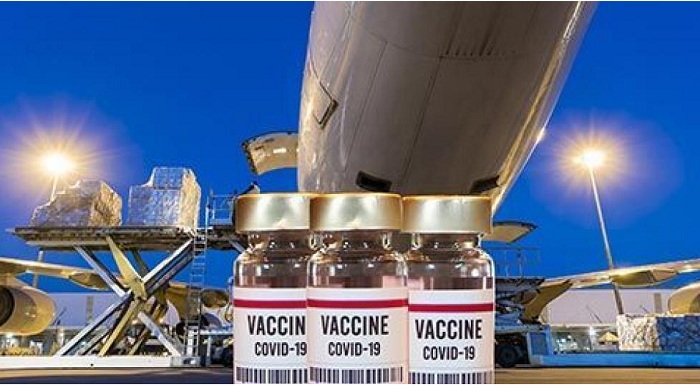
IATA has published guidance for the air cargo industry to follow when transporting Covid-19 vaccines to ensure that they are moved safely and securely in what it says is the “largest and most complex global logistics operation ever undertaken”.

The Guidance for Vaccine and Pharmaceutical Logistics and Distribution addresses how key challenges can be dealt with when moving the vaccine.

Such challenges include the availability of temperature-controlled storage facilities and contingencies when such facilities are not available; and defining the responsibilities of parties involved, such as government authorities and non-government organisations.

“The guidance includes a repository of international standards and guidelines related to the transport of vaccines and will be updated regularly as information is made available to the industry,” IATA said.

It added that guidance was created with the support of numerous partners, including: the International Civil Aviation Organization, International Federation of Freight Forwarders Associations, International Federation of Pharmaceutical Manufacturers and Associations, Pan American Health Organization, UK Civil Aviation Authority, World Bank, World Customs Organization and the World Trade Organization.

Alexandre de Juniac, IATA’s director general and chief executive, commented: “Delivering billions of doses of a vaccine that must be transported and stored in a deep-frozen state to the entire world efficiently will involve hugely complex logistical challenges across the supply chain.

“While the immediate challenge is the implementation of Covid-19 testing measures to re-open borders without quarantine, we must be prepared for when a vaccine is ready. This guidance material is an important part of those preparations.”

IATA also set up a joint information-sharing forum for stakeholders involved in moving the vaccine.

The guidance recommends that governments and stakeholders consider: capacity and connectivity; facilities and infrastructure; border management; and security.

“The global route network has been reduced dramatically from the pre-Covid 24,000 city pairs,” IATA said. “Governments need to re-establish air connectivity to ensure adequate capacity is available for vaccine distribution.”

It added: “Vaccine needs to be shipped and stored in temperature-controlled environment. Some types of refrigerants are classified as a dangerous goods. Considerations include availability of infrastructure, facilities and equipment and trained staff to handle time-and temperature-sensitive vaccines.

On border management: “Timely regulatory approvals and storage and clearance by customs and health authorities will be essential. Priorities for border processes include introducing fast-track procedures for overflight and landing permits for operations carrying the Covid-19 vaccine and considering tariff relief to facilitate the movement of the vaccine.”

Finally, on security IATA warned that vaccines are highly valuable commodities and therefore arrangements must be in place to ensure that shipments remain secure from tampering and theft.

“Processes are in place already, but the huge volume of vaccine shipments will need early planning to ensure that they are scalable,” IATA said.


Latest stories

Related stories

eschbach Unveils Shiftconnector Activity Scheduler

New feature helps pharma manufacturing teams streamline daily production...

Integrated Inspection Systems for Leak Detection in Pharma

The pharmaceutical industry is increasingly moving toward a more holistic approach to quality control by combining various inspection technologies into a single, unified platform. Integrated inspection systems for leak detection in pharma offer a multi-faceted solution that simultaneously addresses cosmetic defects, particulate contamination, and container closure integrity. By merging high-speed visual cameras with sensitive high-voltage leak detection modules, these systems provide a comprehensive assessment of every unit, ensuring that each dose of medication is contained within a perfectly sealed and sterile environment. This integration not only reduces the risk of secondary contamination but also significantly improves the overall efficiency and reliability of the manufacturing process.

Advancing Pharma Quality with HV Leak Detection Tools

Maintaining the highest standards of pharmaceutical quality is a fundamental requirement for the safe delivery of injectable medications. The development of advancing pharma quality with HV leak detection tools represents a major leap forward in the deterministic testing of container closure integrity. By utilizing sophisticated sensors and high-voltage electrical fields, these tools can detect microscopic structural defects that would otherwise compromise the sterility of life-saving products. This high-sensitivity approach significantly enhances the accuracy of the inspection process, providing manufacturers with a robust solution for ensuring packaging integrity and regulatory compliance.

Subscribe

- Never miss a story with notifications

- Gain full access to our premium content

- Browse free from any location or device.

Media Packs

Expand Your Reach With Our Customized Solutions Empowering Your Campaigns To Maximize Your Reach & Drive Real Results!

– Access theMedia Pack Now

– Book a Conference Call

Leave Message for Us to Get Back

Translate »