











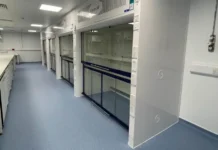


Temperature mapping is one of the most frequently inspected elements of GMP warehouse qualification, and the gap between documentation that satisfies an auditor and documentation that raises questions is often a matter of how well the mapping study was designed, executed and presented. Regulatory inspectors examining temperature-controlled storage qualification are not looking for a temperature mapping report in isolation. They are looking for a qualification package that tells a coherent story: the unit was installed correctly, it operates within specification, it performs consistently under actual use conditions, and the data was generated and reviewed by qualified personnel using calibrated equipment.
Understanding what that story needs to contain is the prerequisite for writing it correctly.
The WHO GMP framework for temperature-controlled storage
The World Health Organisation’s GMP guidelines for pharmaceutical products include specific guidance on the qualification of temperature-controlled storage areas. The WHO’s Technical Report Series guidance on cold chain and temperature-sensitive pharmaceutical products defines the expectations for storage qualification in terms that align with the ICH Q10 pharmaceutical quality system framework: an installation qualification that confirms the space and equipment meet specifications, an operational qualification that confirms performance under normal and stressed conditions, and a performance qualification that demonstrates consistent performance under actual operational conditions over time.
Temperature mapping is the core methodology of the operational qualification phase for warehouses, cold rooms and other bulk storage environments. The mapping demonstrates not that the average temperature in the space is within specification, but that the temperature at every point in the usable storage volume is within specification under the range of operating conditions the space will experience.
Sensor placement: the first thing auditors examine
The most common deficiency identified in temperature mapping documentation during regulatory inspections is inadequate sensor placement. An auditor reviewing a temperature mapping study will check the sensor placement diagram against the dimensions of the space, the location of the cooling unit and air circulation system, and the locations of known thermal challenges: doors, loading docks, areas remote from air handling, and any areas that are partially shielded from air circulation by racking or structural elements.
Sensor grids that place sensors only in the centre of the space, without adequate coverage of the perimeter, the upper zones near the ceiling and the floor zones near the door, are not accepted as demonstrating that the full storage volume is within specification. A defensible mapping study uses a sensor density and placement logic that can be justified based on the geometry and thermal characteristics of the space.
Operating conditions the study must cover
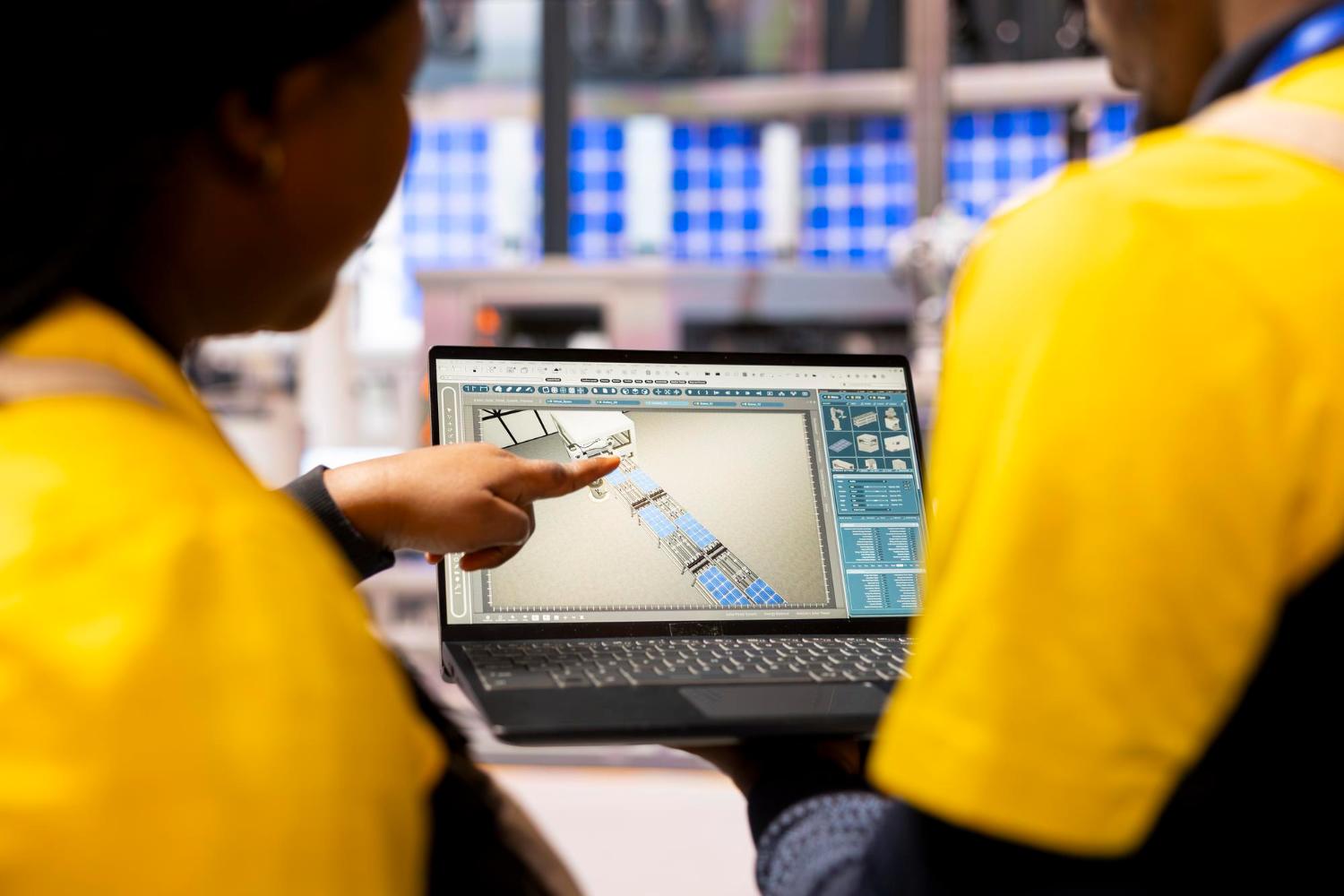
A temperature mapping study that is conducted only under steady-state conditions with the warehouse at normal operating temperature and without any simulated operational challenge does not represent the range of conditions the space will actually experience. Auditors expect to see data from conditions that include worst-case scenarios: the highest ambient temperature the space will experience, the loading dock open for a realistic period, a power interruption scenario if the space uses mechanical cooling, and if the space will be occupied during temperature excursions on adjacent maps, those excursions should be represented. SOKOL GxP Services, which design and execute temperature mapping studies for pharmaceutical and biotechnology GMP warehouses and cold chain facilities, build worst-case condition testing into their mapping protocols as a standard element rather than an optional additional step. The resulting data package demonstrates performance across the operating envelope rather than under ideal conditions only.
The calibration chain
Every sensor used in a mapping study must be calibrated against a traceable standard, and the calibration certificates must be current at the time of the study. An auditor who finds that calibration certificates for the mapping sensors expired during or before the study has grounds to reject the entire data set. The calibration chain for each sensor, from the primary national standard through intermediate calibration standards to the sensor itself, must be documented and traceable.
Post-study calibration verification, where the sensors are calibrated after the study is complete to confirm that no drift occurred during data collection, is a requirement in some regulatory frameworks and a best practice in all of them. Including post-study calibration data in the qualification package demonstrates that the data collected during the study can be relied upon.
What the final report must contain

A temperature mapping report that meets regulatory expectation contains: a protocol that was approved before the study began; a description of the space with dimensions, racking layout, air handling system and sensor placement diagram; calibration certificates for all sensors; a data summary showing the range of temperatures observed at each sensor location; identification of the warmest and coldest points in the space under each test condition; a conclusion that addresses whether the full usable storage volume meets the specified temperature range; and a list of any deviations from the approved protocol with impact assessments.
Where the study identifies that certain zones do not meet specification, the report should include a risk-based assessment of whether those zones can be excluded from use or whether the mapping results require modification of the storage environment before the qualification can be approved.
Requalification triggers
A temperature mapping qualification does not remain valid indefinitely. Regulatory expectations include requalification when the space undergoes significant modification, when the cooling or air handling equipment is replaced or significantly repaired, when the ambient conditions the space experiences change materially, or at the periodic interval specified in the validated state documentation. Auditors will ask whether a requalification schedule is in place and whether it has been followed, which means the qualification programme must include documented procedures for monitoring conditions and triggering requalification rather than treating the initial study as a one-time activity.