






Close
Almac
Achema middle east

Regenerative Treatment For An Impaired Kidney Restoration

Note* - All images used are for editorial and illustrative purposes only and may not originate from the original news provider or associated company.

Subscribe

- Never miss a story with notifications

- Gain full access to our premium content

- Browse free from any location or device.

Media Packs

Expand Your Reach With Our Customized Solutions Empowering Your Campaigns To Maximize Your Reach & Drive Real Results!

– Access the Media Pack Now

– Book a Conference Call

Leave Message for Us to Get Back

Related stories

Specialized Laboratory Equipment Requirements for Biologics and Biosimilar Development

The development of complex biological molecules requires a specialized toolkit distinct from traditional small-molecule chemistry. This article details the critical laboratory equipment—from advanced bioreactors to high-resolution characterization tools—that enables the precise engineering and rigorous analysis required for successful biologics and biosimilar innovation.

Next-Generation Laboratory Equipment Redefining Drug Discovery Workflows

Advanced technologies such as AI-integrated high-throughput screening platforms and automated assay systems are fundamentally transforming early-stage pharmaceutical research. These innovations address critical bottlenecks in productivity and data quality, enabling research teams to accelerate timeline-to-candidate selection while enhancing the predictive accuracy of drug discovery campaigns.

Redefining Success Metrics in Pharma Portfolio Management

Shift from traditional R&D metrics focused on milestone completion and budget adherence to outcome-based, value-focused metrics that measure strategic impact, learning velocity, and long-term portfolio health while aligning organizational behavior with strategic objectives.
- Advertisement -

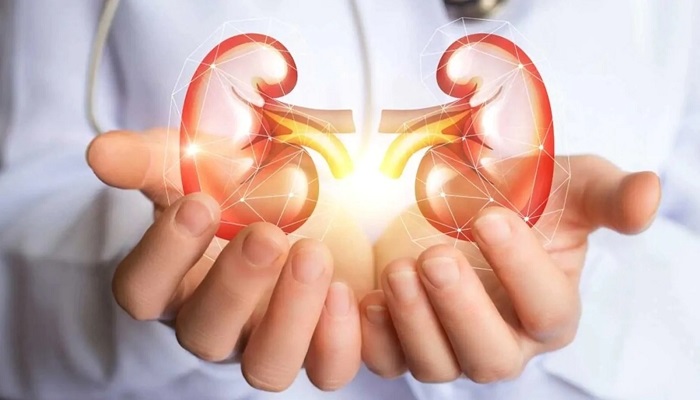
An event that hasn’t happened before was demonstrated by researchers from Duke-NUS Medical School, colleagues in Germany, and the National Heart Centre Singapore (NHCS), suggesting that regenerative treatment to restore damaged kidney function could be a sure possibility. In a preclinical study, the researchers discovered that suppressing the harmful and scar-regulating protein interleukin-11 (IL-11) allowed the damaged kidney cells to recover, restoring reduced kidney function caused by illness as well as acute injuries.

The protein is involved in pushing a cascade of molecular processes that occur in response to kidney damage, resulting in inflammation, fibrosis, also known as scarring, and loss of function. In addition, they discovered that blocking IL-11 with a neutralising antibody can halt and even restore kidney damage in this situation.

More precisely, the researchers discovered that in reaction to kidney damage, renal tubular cells, which line the tiny tubes within the kidneys, release IL-11. It initiates a signaling cascade that results in increased activation of a gene known as Snail Family Transcriptional Repressor 1 (SNAI1), which inhibits cell growth and increases the possibility of kidney misfunctioning.

Turning off this method in a preclinical model of human diabetic kidney disease by way of administering an antibody that binds to IL-11 resulted in the proliferation of kidney tubule cells and the reversal of fibrosis as well as inflammation, making way for the regeneration of the injured kidney and also the restoration of renal function.

While clinical trials pertaining to an antibody that attaches to another pro-fibrotic molecule known as transforming growth factor-beta were unsuccessful, this novel technique offers the possibility of a new target.

Latest stories

Related stories

Specialized Laboratory Equipment Requirements for Biologics and Biosimilar Development

The development of complex biological molecules requires a specialized toolkit distinct from traditional small-molecule chemistry. This article details the critical laboratory equipment—from advanced bioreactors to high-resolution characterization tools—that enables the precise engineering and rigorous analysis required for successful biologics and biosimilar innovation.

Next-Generation Laboratory Equipment Redefining Drug Discovery Workflows

Advanced technologies such as AI-integrated high-throughput screening platforms and automated assay systems are fundamentally transforming early-stage pharmaceutical research. These innovations address critical bottlenecks in productivity and data quality, enabling research teams to accelerate timeline-to-candidate selection while enhancing the predictive accuracy of drug discovery campaigns.

Redefining Success Metrics in Pharma Portfolio Management

Shift from traditional R&D metrics focused on milestone completion and budget adherence to outcome-based, value-focused metrics that measure strategic impact, learning velocity, and long-term portfolio health while aligning organizational behavior with strategic objectives.

Smarter Resource Planning for Complex Pharma Development Portfolios

Align limited resources with complex pharmaceutical portfolios through capacity forecasting, skills-based planning, and dynamic resource reallocation, improving execution outcomes without increasing costs or overburdening teams.

Subscribe

- Never miss a story with notifications

- Gain full access to our premium content

- Browse free from any location or device.

Media Packs

Expand Your Reach With Our Customized Solutions Empowering Your Campaigns To Maximize Your Reach & Drive Real Results!

– Access theMedia Pack Now

– Book a Conference Call

Leave Message for Us to Get Back

Translate »