








Close
Smartlab Europe
Inizio Ignite

The Future of Pharma Traceability In Healthcare Packaging

Note* - All images used are for editorial and illustrative purposes only and may not originate from the original news provider or associated company.

Subscribe

- Never miss a story with notifications

- Gain full access to our premium content

- Browse free from any location or device.

Media Packs

Expand Your Reach With Our Customized Solutions Empowering Your Campaigns To Maximize Your Reach & Drive Real Results!

– Access the Media Pack Now

– Book a Conference Call

Leave Message for Us to Get Back

Related stories

Advancing Quality 4.0 Through Centralized Drug Knowledge 

Implementation of a unified data framework serves as the catalyst for modernizing pharmaceutical production, bridging the gap between legacy processes and intelligent automation. By consolidating disparate data streams into a cohesive repository, organizations achieve unprecedented visibility into critical quality attributes and process parameters. This transformation facilitates proactive risk mitigation and ensures that Good Manufacturing Practices are maintained through high-fidelity insights rather than retrospective analysis, ultimately fostering a culture of continuous improvement and operational excellence.

Lilly Zepbound-Taltz Combo Gains Ground with Phase 3b Data

Eli Lilly said that its weight-loss medicine Zepbound, when...

J&J to Invest $1 Billion in Pennsylvania Cell Therapy Plant

Johnson & Johnson announced that it plans to invest...
- Advertisement -
Smart Lab Europe

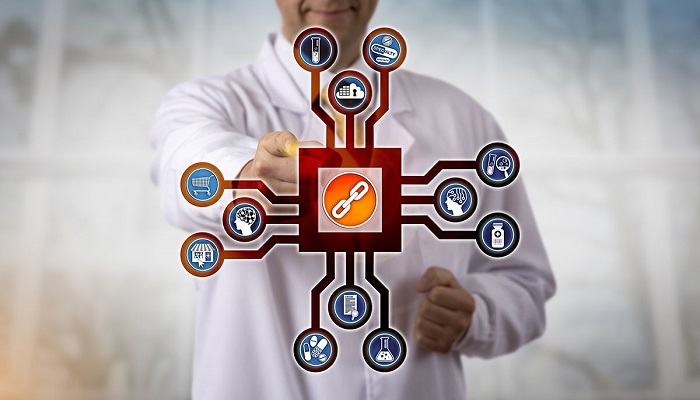
The pharmaceutical sector, due to its importance in human health, is subject to rigorous global regulations. Pharmaceutical traceability, commonly known in the industry as pharma traceability, is employed to monitor the movement of pharmaceutical products within the supply chain.

Healthcare packaging is a pivotal component of pharma traceability as it encompasses the physical vessel containing medication, offering details on its identity, origin, and destination. Healthcare packaging facilitates medication tracking across all supply chain phases, from manufacturing through distribution to dispensing. Incorporating traceability technologies into healthcare packaging aids in safeguarding patients against counterfeit and substandard drugs.

Various technologies can be employed to implement pharma traceability in healthcare packaging:

  1. Serialization: This involves assigning unique identification numbers to individual medication units, enabling tracking throughout the supply chain. Serialization is a mandatory requirement for many prescription drugs under the Drug Supply Chain Security Act (DSCSA).
  2. RFID Technology: Radio Frequency Identification (RFID) tags, attached to healthcare packaging, can be read by RFID readers to track medication in real time. Although costlier than barcodes, RFID tags offer advantages like non-line-of-sight reading.
  3. Barcoding Solutions: Barcodes provide a cost-effective means to identify and trace medications at different supply chain stages.
  4. Blockchain: A secure digital ledger, blockchain records pharmaceutical product data, facilitating tracking and authentication throughout the supply chain.

Benefits of pharma traceability include:

  • Enhanced safety by identifying and removing counterfeit and substandard medications.
  • Improved security by tracking medications to deter theft and diversion.
  • Enhanced efficiency, reducing costs and lead times.
  • Enhanced compliance with regulations, protecting companies from penalties.

Pharma traceability will become increasingly vital as the pharmaceutical industry evolves. Incorporating traceability technologies into healthcare packaging is crucial for ensuring medication safety and security.

The future of pharma traceability looks promising, with evolving technologies meeting the pharmaceutical industry’s needs, and ensuring patients’ access to safe and effective medications.

Smart Lab Europe

Latest stories

Related stories

Advancing Quality 4.0 Through Centralized Drug Knowledge 

Implementation of a unified data framework serves as the catalyst for modernizing pharmaceutical production, bridging the gap between legacy processes and intelligent automation. By consolidating disparate data streams into a cohesive repository, organizations achieve unprecedented visibility into critical quality attributes and process parameters. This transformation facilitates proactive risk mitigation and ensures that Good Manufacturing Practices are maintained through high-fidelity insights rather than retrospective analysis, ultimately fostering a culture of continuous improvement and operational excellence.

Lilly Zepbound-Taltz Combo Gains Ground with Phase 3b Data

Eli Lilly said that its weight-loss medicine Zepbound, when...

J&J to Invest $1 Billion in Pennsylvania Cell Therapy Plant

Johnson & Johnson announced that it plans to invest...

Precision Cellular Analysis Powering the Next Generation

Biopharmaceutical innovation increasingly depends on understanding biology at the...

Subscribe

- Never miss a story with notifications

- Gain full access to our premium content

- Browse free from any location or device.

Media Packs

Expand Your Reach With Our Customized Solutions Empowering Your Campaigns To Maximize Your Reach & Drive Real Results!

– Access theMedia Pack Now

– Book a Conference Call

Leave Message for Us to Get Back

Translate »