





Close
Novotech
Jabsco PureFlo 21 Single Use

Bayer And NextRNA Partner On New Small Molecule Cancer Drugs

Note* - All images used are for editorial and illustrative purposes only and may not originate from the original news provider or associated company.

Subscribe

- Never miss a story with notifications

- Gain full access to our premium content

- Browse free from any location or device.

Media Packs

Expand Your Reach With Our Customized Solutions Empowering Your Campaigns To Maximize Your Reach & Drive Real Results!

– Access the Media Pack Now

– Book a Conference Call

Leave Message for Us to Get Back

Related stories

How Automation Is Transforming Mail-Order Pharmacy Operations: Efficiency, Accuracy and ROI

This article includes: Expanding the Role of Mail-Order Pharmacies ...

Designing Biotech Financial Models for Series B Success

Building a compelling Series B case in biopharma goes well beyond efficacy data and market size projections. Sophisticated investors are increasingly focused on CMC risk, licensing obligations, and the defensibility of your manufacturing timeline. This article breaks down what the financial model behind a strong Series B actually looks like and what quietly kills deals that should have worked.

CMC Bottleneck in Drug Development and IND Delays

Ask any experienced biopharma program manager what derails an IND filing most often, and the answer is rarely surprising: it is CMC. Not insufficient efficacy data, not toxicology surprises CMC. This article examines why Chemistry, Manufacturing, and Controls continues to be the most underestimated risk in early drug development, and what program leaders can do about it.
- Advertisement -

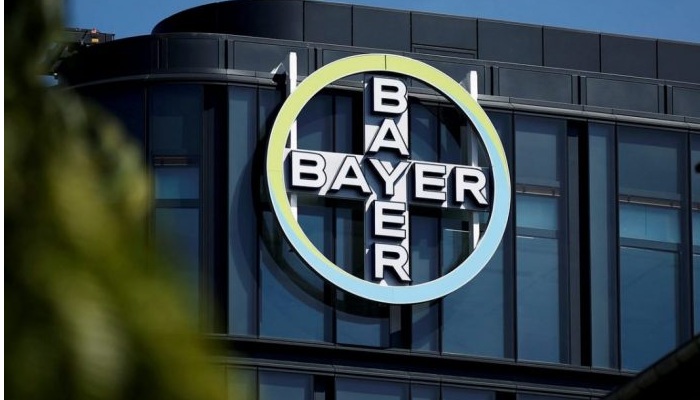
Bayer and NextRNA Therapeutics, a biotechnology company, announced that they would be working together to create a new type of small molecule cancer drug. The two companies agreed to a deal that could be worth over $500 million.

The two companies will use NextRNA’s technology to move forward with two small molecule drugs that target cancers that are caused by long non-coding RNA that is not working properly. NextRNA could get up to $547 million from the deal, which includes an advance payment that neither company said anything about.

The companies also didn’t say what kinds of cancer or drug targets they would be going after, but they did say that they wanted to make the two projects work for conditions with “high unmet need.” For now, NextRNA is trying the first program in an experimental setting. Bayer will have the choice to choose another target for shared research.

A lot of DNA is turned into RNA that doesn’t code for specific proteins. This type of RNA is called “non-coding RNA.” Long non-coding RNAs are put into groups based on their size, which lets structures form that work with RNA-binding proteins.

NextRNA says that these relationships can go wrong, which can lead to diseases like cancer or immune system problems. The company’s technology is meant to stop long non-coding RNA and RNA-binding proteins from sticking together.

NextRNA started up for real in 2022, with $56 million to improve its platform. Its technology was based on studies by Carl Novina, a scientist at the Dana-Farber Cancer Institute who also helped to start the company.

They want to find new small molecule medicines that can target a different group of cancer targets, according to a statement from Juergen Eckhardt, who is in charge of business growth and licensing at Bayer’s drugs section.

Bayer will also be able to use NextRNA’s computer software NextMap as part of the deal.

Latest stories

Related stories

How Automation Is Transforming Mail-Order Pharmacy Operations: Efficiency, Accuracy and ROI

This article includes: Expanding the Role of Mail-Order Pharmacies ...

Designing Biotech Financial Models for Series B Success

Building a compelling Series B case in biopharma goes well beyond efficacy data and market size projections. Sophisticated investors are increasingly focused on CMC risk, licensing obligations, and the defensibility of your manufacturing timeline. This article breaks down what the financial model behind a strong Series B actually looks like and what quietly kills deals that should have worked.

CMC Bottleneck in Drug Development and IND Delays

Ask any experienced biopharma program manager what derails an IND filing most often, and the answer is rarely surprising: it is CMC. Not insufficient efficacy data, not toxicology surprises CMC. This article examines why Chemistry, Manufacturing, and Controls continues to be the most underestimated risk in early drug development, and what program leaders can do about it.

FDA Issues 3 Priority Vouchers for Psychedelic Drug Firms

The US Food and Drug Administration has awarded three...

Subscribe

- Never miss a story with notifications

- Gain full access to our premium content

- Browse free from any location or device.

Media Packs

Expand Your Reach With Our Customized Solutions Empowering Your Campaigns To Maximize Your Reach & Drive Real Results!

– Access theMedia Pack Now

– Book a Conference Call

Leave Message for Us to Get Back

Translate »