











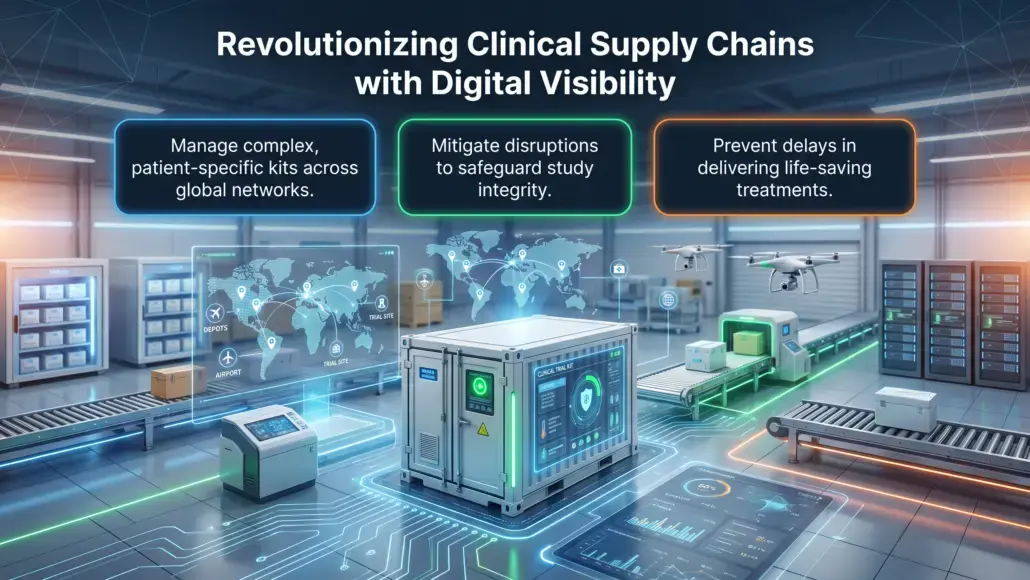
The management of supplies for clinical trials has traditionally been one of the most complex and fragmented parts of the pharmaceutical product lifecycle. Unlike commercial distribution, which often follows predictable patterns, clinical logistics must handle small, patient-specific kits that move through a global network of depots and trial sites. Any disruption in this chain can jeopardize the integrity of a study or, more importantly, delay a patient from receiving a potentially life-saving treatment. To address these challenges, the industry is increasingly turning to digital supply chain platforms improving clinical supply visibility to gain a comprehensive, real-time view of where materials are and how they are being handled. These digital solutions provide a unified dashboard that connects disparate data sources, allowing supply chain managers to move away from reactive troubleshooting toward proactive, data-driven decision-making.
Real Time Inventory Management in Global Trials
Maintaining the correct balance of inventory at clinical sites is a delicate task that requires constant oversight. Overstocking leads to high costs and the risk of product expiration, while understocking can cause patient enrollment to stall. Digital platforms provide a solution by offering real-time tracking of stock levels across all locations in a study. By integrating data from site-level dispensing systems, these platforms allow managers to see exactly how many kits are available and when new shipments are needed. This level of clinical supply visibility is essential for managing the dynamic nature of trials, where patient recruitment rates can vary significantly between different regions. The ability to shift inventory between sites or redirect shipments based on actual demand reduces the total volume of safety stock required, leading to substantial cost savings for the sponsor.
In addition, automated alerts within these digital systems can notify managers when stock levels drop below a certain threshold or when material is approaching its expiration date. This proactive notification system ensures that replenishment orders are triggered in a timely manner, preventing the stock-outs that can disrupt trial progress. The use of unique identifiers for each kit also allows for more precise tracking of specific batches, which is vital in the event of a product recall or if new stability data changes the shelf life of the material. By digitizing inventory records, organizations can eliminate the errors associated with manual data entry and ensure that their records are always accurate and up to date, providing a solid foundation for regulatory compliance and audit readiness.
Integration of Interactive Response Technology Systems
Interactive Response Technology has long been a staple of clinical trial management, used to randomize patients and manage the dispensing of study drugs. However, in many organizations, IRT systems operate in a silo, separate from the broader supply chain management tools. The integration of digital supply chain platforms improving clinical supply visibility with these IRT systems bridges this gap, creating a seamless flow of information from the patient to the manufacturer. When a patient is randomized at a site, the information is immediately captured by the supply chain platform, which can then calculate the future demand for that specific patient. This integration allows for a much more accurate forecast of material needs, as the system can account for the specific dosing schedule and the likelihood of patient attrition.
This connected approach also simplifies the process of drug reconciliation. At the end of a study, all unused materials must be accounted for and destroyed or returned. By linking the dispensing data from the IRT system with the shipment records in the supply chain platform, managers can quickly identify any discrepancies and ensure that all material is properly documented. This reduces the administrative burden on site staff and provides sponsors with a clear audit trail of every kit’s journey. Additionally, the ability to see real-time dispensing data allows supply managers to identify sites that may be struggling with recruitment or those that are moving through their stock faster than anticipated, allowing for targeted support and inventory adjustments.
Data Interoperability Between Sponsors and Providers
One of the biggest hurdles to achieving full transparency in the clinical supply chain is the lack of interoperability between different stakeholders. Clinical trials involve a vast network of contract manufacturing organizations, clinical research organizations, and specialty couriers, each of which often uses its own proprietary data system. Digital supply chain platforms improving clinical supply visibility address this issue by providing a centralized hub where all partners can share information in a standardized format. By using APIs and other integration tools, these platforms can pull data from external systems, providing the sponsor with a holistic view of the entire network. This transparency is vital for identifying bottlenecks in the logistics process, such as delays at customs or issues within a specific depot.
Effective data sharing also enhances the collaborative relationship between the sponsor and its providers. When all parties have access to the same real-time information, it becomes easier to align on priorities and resolve issues quickly. For example, if a courier identifies a temperature excursion during transit, the information can be immediately uploaded to the platform, allowing the sponsor and the manufacturer to assess the impact and decide if the material can still be used. This rapid response time is critical for minimizing wastage and ensuring trial continuity. In addition, the ability to benchmark the performance of different providers using objective data allows sponsors to make more informed decisions about their future partnerships, driving continuous improvement across the entire clinical supply ecosystem. This rigorous evaluation process ensures that only the most reliable logistics partners are retained for high-stakes clinical research programs.
Mitigating Wastage Through Advanced Demand Forecasting
Wastage is a major concern in clinical trials, with some estimates suggesting that up to fifty percent of study drugs are never used. This is often due to the practice of “just-in-case” shipping, where sites are oversupplied to prevent any possibility of a stock-out. Digital platforms help mitigate this wastage by using advanced demand forecasting algorithms that account for a wide range of variables, including recruitment rates, titration schedules, and potential delays in the supply chain. By providing a more accurate picture of clinical supply visibility, these tools allow managers to optimize the size and frequency of shipments, ensuring that sites have enough material for their current patients without creating excessive stock.
These forecasting tools can also run simulations to test the impact of different supply strategies. For example, a manager can model the effect of using a central depot versus regional hubs, or evaluate the risks associated with different shipment frequencies. This data-driven approach allows for the development of more resilient supply plans that are tailored to the specific needs of each trial. As the cost of developing new therapies continues to rise, the ability to reduce wastage in the clinical stage becomes an increasingly important part of the overall business strategy. By leveraging digital platforms to refine their forecasting, pharmaceutical firms can make better use of their resources and ensure that more of their investment goes toward the science of the trial rather than the logistics of unused materials.
Ensuring Cold Chain Integrity with Digital Monitoring
A significant portion of modern pharmaceutical products, including biologics and cell therapies, requires strict temperature control throughout the entire supply chain. Even a brief excursion from the required temperature range can render a product ineffective or unsafe. Digital supply chain platforms improving clinical supply visibility integrate with IoT sensors and data loggers to provide real-time monitoring of the environmental conditions during transit and storage. These sensors transmit data directly to the platform, allowing managers to see the exact temperature, humidity, and location of their materials at any time. If an excursion is detected, the system can trigger an immediate alert, allowing for rapid intervention before the product is compromised.
This real-time monitoring is far superior to the traditional method of checking data loggers only after the shipment has arrived at its destination. By identifying issues while the material is still in transit, couriers can take corrective actions, such as adding dry ice or moving the shipment to a temperature-controlled facility. In addition, the accumulated data from these digital systems provides valuable insights into the performance of different shipping lanes and packaging configurations. By analyzing the historical performance of specific couriers and airports, supply chain managers can select the most stable transit paths for their temperature-sensitive materials. Companies can use this information to identify high-risk routes and optimize their packaging to better withstand environmental stresses. The result is a more secure and reliable cold chain, which is essential for the successful delivery of the complex and sensitive therapies that are increasingly dominating the clinical pipeline.