








Healthcare systems can collapse overnight, particularly in natural disasters and conflicts that force communities to flee. In such moments, speed matters as much as skill. People need treatment for injuries, infections, childbirth complications, and chronic illnesses long before permanent hospitals can reopen.
Mobile field hospitals fill the gaps in emergency care. Instead of waiting months for reconstruction, you can bring treatment closer to those in need through flexible, transportable systems designed to function in difficult environments. These solutions are helping responders save lives faster, serve more people, and restore dignity during crisis situations.
Bringing Hospitals to the Front Line
Distance becomes deadly in emergencies. Roads may be blocked, power grids may fail, and local clinics may run out of staff or supplies. About 25% of the world’s population is severely affected by natural disasters and conflict that hinder their access to basic medical services, according to the World Health Organization. This figure highlights why mobile solutions are no longer optional in modern disaster response planning.
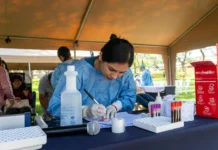
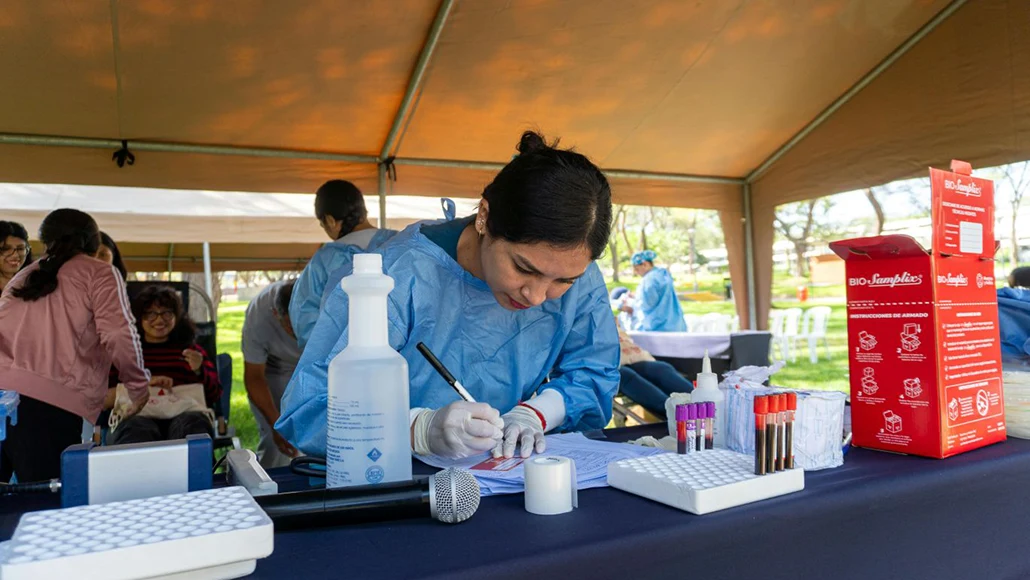
A well-equipped field hospital can be moved near affected communities and opened quickly. Responders create immediate access to medical care where it is needed most. This often includes triage, wound management, diagnostics, and emergency stabilization.
You can see the impact in earthquake zones, flood regions, and refugee settings where fixed medical facilities are damaged or overwhelmed. By shortening the gap between injury and treatment, mobile field hospitals improve survival rates and reduce complications.
Faster Setups, Smarter Infrastructure
Lack of safe buildings is one of the biggest challenges after major emergencies. Hospitals may be damaged, and schools or public halls are not always suitable for infection control or surgery. A pre-engineered building helps solve this by providing durable, rapidly assembled structures designed for healthcare use, with built-in systems for airflow, sanitation, and organized patient flow.
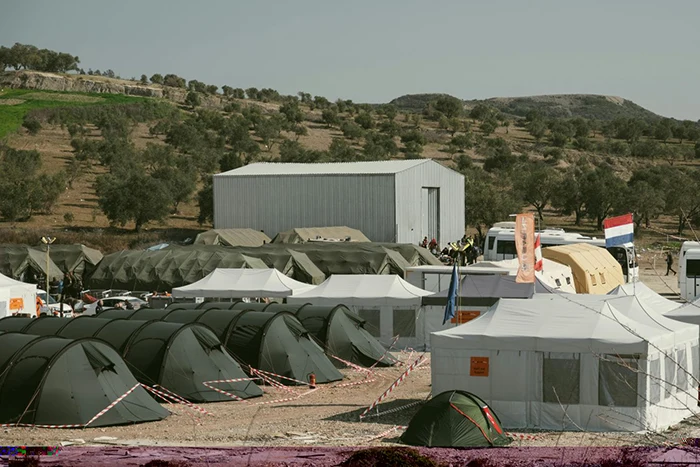
Today’s deployable field hospital designs use expandable containers, tents, and modular frames that travel efficiently and open on-site with minimal delay. Some rely on fabric shelters, while others use hardened modules for harsher climates. This gives planners options based on terrain, weather, and mission length.
Because the structures are standardized, teams can train in advance and repeat proven layouts. That means a safer medical setup, faster opening times, and fewer mistakes during high-pressure deployments.
More Than First Aid: Real Hospital Capability
Older emergency camps focused on basic stabilization. However, modern systems deliver far more advanced treatment. Many include diagnostic labs, pharmacy areas, imaging support, and organized patient treatment zones that mirror permanent hospitals.
A modern mobile hospital may include an intensive care unit, oxygen support, and a critical care unit for unstable patients. It can also provide outpatient emergency care for those with less severe conditions, keeping higher-level beds available for urgent cases.
Some units feature operating theatres and an operating room shelter where teams perform life-saving surgical procedures. In trauma events, this may include damage control surgery, designed to quickly stop bleeding and stabilize the patient before further care.
Specialized Care During Crisis
Disasters interrupt pregnancy care, diabetes management, dialysis schedules, dental treatment, and mental health support. Stronger emergency systems now recognize those realities.
Many modern facilities can add a medical specialty section, such as a dental unit, pediatric care bay, or infection ward. Others include medical treatment rooms and outpatient exam areas for consultations, prescriptions, and follow-up visits.
This becomes especially important in patients who need specialized care, for instance, women with high-risk pregnancies. Some deployments include maternal wards, newborn spaces, and referral pathways, so vulnerable patients are not overlooked during chaos.
Flexible Levels of Service
Not every emergency requires the same scale of response. Some incidents need a small clinic, while others require a full surgical center. That is why planners often use tiered capability models.
- Level 1 sites usually focus on triage, urgent stabilization, and basic outpatient treatment. They are useful for early response or remote communities.
- Level II systems often add surgery, inpatient beds, and stronger diagnostic support. They can manage broader trauma and illness needs.
- Level III capability is the most advanced, supporting complex surgery, intensive monitoring, and referral-level treatment.
These tiers help decision-makers match resources to the crisis. Instead of overspending or underpreparing, teams can scale care based on population size, geography, and injury patterns.
Supporting Staff and Supply Chains
Even the best hospital design fails without people and logistics. Skilled healthcare professionals remain the heart of every mission, from surgeons and nurses to pharmacists, technicians, and sanitation teams.
Reliable access to medical equipment, medicines, and medical supplies is equally vital. Many units deploy with mobile medical kits organized by specialty, allowing staff to begin work immediately. This improves medical response capacity during the crucial first days.
Some systems are built for military and civil use, supporting civil defense, military units, or humanitarian agencies alike. Shared standards can improve cooperation when multiple organizations respond together.
Reaching the Hardest Places
Remote terrain often blocks normal healthcare delivery. Islands, mountains, conflict zones, and flooded plains require adaptable transport methods. That is why some nations invest in airborne field hospitals or sea-based systems that move where roads cannot.
These assets are especially valuable in disaster-stricken areas where infrastructure has collapsed. They can create triage centers, surgery spaces, and short-stay wards within hours of arrival.
In longer crises, facilities may expand into modular medical facilities that support inpatient acute care, female/male wards, a laboratory unit, and complex inpatient referral surgical care. What starts as an emergency field hospital can evolve into a temporary health hub.
A Lifeline for Humanitarian Response
Beyond storms and earthquakes, these hospitals are essential in wars, epidemics, and displacement crises. They support medical relief, humanitarian missions, and wider disaster relief efforts when local systems are overwhelmed.
For communities facing sudden loss, access to organized medical services restores confidence. It tells families that help has arrived and recovery can begin.
Conclusion
Mobile hospitals are changing emergency care because they bring speed, flexibility, and real clinical capability to places where time is scarce. They turn empty ground into functioning treatment centers when communities need help most. As disasters grow more complex, your future emergency systems will rely not only on permanent buildings, but also on agile healthcare models that move wherever lives are at risk.