













Close
CDMO Safety Testing 2026
Novotech

ProteoGenix to accelerate the discovery of SARS-CoV-2 antibodies with first human immune COVID-19 library

Note* - All images used are for editorial and illustrative purposes only and may not originate from the original news provider or associated company.

Subscribe

- Never miss a story with notifications

- Gain full access to our premium content

- Browse free from any location or device.

Media Packs

Expand Your Reach With Our Customized Solutions Empowering Your Campaigns To Maximize Your Reach & Drive Real Results!

– Access the Media Pack Now

– Book a Conference Call

Leave Message for Us to Get Back

Related stories

Fujifilm Advances Drug Discovery with New Cyclic Peptide Screening Platform

FUJIFILM Corporation has developed a new screening methodology aimed...

AddParts Secures Funding for Pharma Manufacturing Resilience

AddParts, a UK-based technology company focused on improving operational...

Made Smarter Advances AI in Manufacturing with New Toolkit

A new initiative from Made Smarter is aiming to...
- Advertisement -

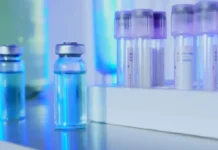
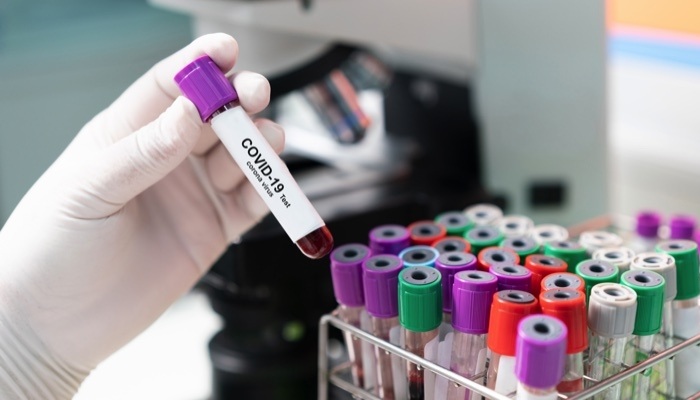
ProteoGenix, a global leader in antibody production, is pleased to announce the first Human Immune COVID-19 library for the fast discovery of potent antibodies against SARS-CoV-2.

“Highly sensitive and specific antibodies are critical for the development of diagnostics, therapeutics, and prophylactics to fight against COVID-19,” says Philippe Funfrock, Co-founder and President of ProteoGenix. “The new Human Immune COVID-19 antibody library developed by ProteoGenix represents an exciting opportunity to solve the current pandemic.”

The library, created using blood samples from dozens of recovered COVID-19 patients, is adapted for screening with phage display and strives to meet the rising demands for effective antibodies for a broad range of applications.

The library’s vast diversity (1.2 x 10¹⁰ different clones) allied to the fast turnaround time and sensitivity of the screening technology, are intended to fast-track the discovery of antibodies with the strongest affinity, specificity, and viral blocking activity.

“Compared to the hybridoma technology, phage display saves time by allowing us to directly screen highly diverse and human antibody libraries. In addition, when developing therapeutic antibodies, this technique also helps us reduce the time-to-market by avoiding complex antibody humanization processes,” says Raphaël Hopfner, Co-founder and CSO of ProteoGenix.

ProteoGenix further fast-tracks the process of discovery by offering a broad diversity of ready-made SARS-CoV-2 antigens, as well as fast custom antigen development services (proteins, peptides, small molecules).

Within 8 weeks or less, clients can receive 3 to 10 unique and royalty-free antibody sequences with an optimal affinity. Being the first to propose this service, ProteoGenix aims at supporting the outstanding efforts of teams fighting the COVID-19 pandemic around the world.

About ProteoGenix
ProteoGenix is a world leader in peptide, protein, and antibody production. Our mission is to help customers develop new biotherapeutics, diagnostics, and prophylactic solutions. We provide personalized and specialized support during antigen discovery, design, and production, as well as antibody production using in vivo hybridomas or in vitro phage display technologies. ProteoGenix provides services to customers from all around the globe.


Latest stories

Related stories

Fujifilm Advances Drug Discovery with New Cyclic Peptide Screening Platform

FUJIFILM Corporation has developed a new screening methodology aimed...

AddParts Secures Funding for Pharma Manufacturing Resilience

AddParts, a UK-based technology company focused on improving operational...

Made Smarter Advances AI in Manufacturing with New Toolkit

A new initiative from Made Smarter is aiming to...

Quantum Machine Learning in Pharma Research Growth

The convergence of artificial intelligence and quantum processing is opening new avenues for rapid discovery and innovation within the life sciences. By utilizing advanced mathematical models that operate across multi-dimensional datasets, researchers can now identify complex biological patterns and predict molecular behaviors with a speed that surpasses traditional computational methods. This transformation is accelerating the development of novel therapies and providing deeper insights into disease mechanisms, fundamentally altering the trajectory of pharmaceutical research and development.

Subscribe

- Never miss a story with notifications

- Gain full access to our premium content

- Browse free from any location or device.

Media Packs

Expand Your Reach With Our Customized Solutions Empowering Your Campaigns To Maximize Your Reach & Drive Real Results!

– Access theMedia Pack Now

– Book a Conference Call

Leave Message for Us to Get Back

Translate »