







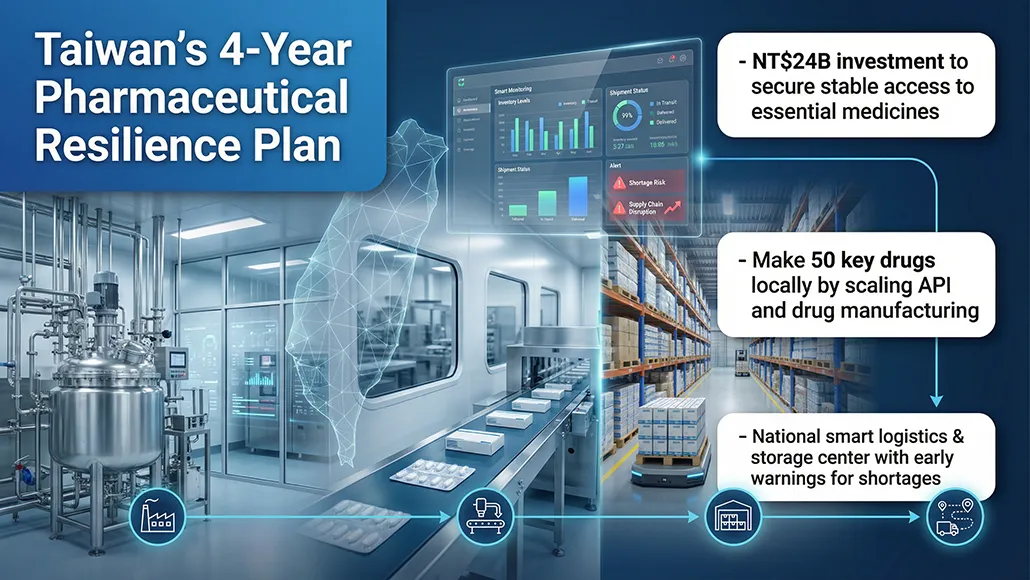
Taiwan is preparing a four-year national pharmaceutical resilience preparedness program designed to strengthen its domestic drug supply, supported by a 24 billion new Taiwan dollar ($755 million) investment. The initiative is intended to reinforce the country’s ability to maintain stable access to medicines by expanding local pharmaceutical production and improving supply chain security.
The strategy follows what Taiwan’s president, Lai Ching-te, described as “drastic geopolitical changes” affecting global medicine supply chains. Speaking during a March 5 meeting of the Healthy Taiwan Promotion Committee, he highlighted Taiwan’s dependence on overseas pharmaceutical supplies, noting the country is “heavily reliant” on imports and that certain products are “even subject to foreign hostile forces.” The president also pointed out that the country’s pharmaceutical supply chains remain vulnerable to factors such as “transportation, industry strategy, and market scale” decisions made by large drugmakers. To address these challenges, the government is developing a three-pronged approach centered on strengthening domestic pharmaceutical manufacturing, improving “smart allocation,” and building international partnerships.
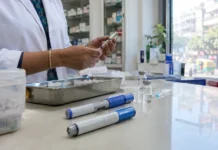
As part of the pharma resilience plan, Taiwan plans to manufacture at least 50 key pharmaceuticals domestically. According to Ching-te, the government will rely on policy subsidies, market guidance and National Health Insurance reimbursement incentives to expand production of active pharmaceutical ingredients (APIs) while supporting broader self-reliance across the biopharma sector. A “national team” will also be formed to safeguard critical pharmaceutical supplies and reinforce emergency preparedness measures. Deputy Health Minister Lin Ching-yi said the government will identify a list of critical drugs and essential medicines including insulin, antibiotics, glucose infusions, oncology meds and immunomodulators to prioritize under the program. The national team is expected to support Taiwan’s 31 domestic API makers and 143 drugmakers in increasing the share of locally manufactured medicines.
Another component of the pharma resilience plan involves establishing a national-level Pharmaceutical Intelligent Logistics and Storage Center equipped with a smart technology-based monitoring system capable of issuing early warnings of supply disruptions. The broader initiative also aims to strengthen what officials describe as “industrial momentum,” linking pharmaceutical resilience with economic development.
“This is not just a plan to safeguard health and ensure national security, but also an opportunity to promote the upgrading of the biomedical industry,” the president explained. “We want to make Taiwan an indispensable partner in global supply chains for biomedical products and medical devices, transforming the enhancement of pharmaceutical resilience into industrial momentum leading to a Healthy Taiwan.”
Healthy Taiwan serves as the country’s health policy platform and was created in 2024 through the formation of the Healthy Taiwan Promotion Committee. Ching-te said achieving the objectives of the initiative and strengthening national resilience will depend on coordinated action between government institutions and the private sector.
Manufacturing activity linked to the strategy is already emerging. Earlier this week, California-based CRDMO BioDuro partnered with Taiwanese API maker Centra API Solutions to incorporate Centra’s commercial-scale facility in Taipei, Taiwan, into BioDuro’s production network. The development is part of a joint venture aimed at reinforcing “both companies’ global supply chain resilience,” BioDuro CEO Armin Spura, Ph.D., said in a statement at the time.