










Close
CDMO Safety Testing 2026
Novotech

FDA To Fund $38 Million To Fuel 4-Year Rare Disease Research

Note* - All images used are for editorial and illustrative purposes only and may not originate from the original news provider or associated company.

Subscribe

- Never miss a story with notifications

- Gain full access to our premium content

- Browse free from any location or device.

Media Packs

Expand Your Reach With Our Customized Solutions Empowering Your Campaigns To Maximize Your Reach & Drive Real Results!

โ€“ Access the Media Pack Now

โ€“ Book a Conference Call

โ€“ Leave Message for Us to Get Back

Related stories

BeOne Signs $2B Trispecific Antibody Deal with Huahui Health

BeOne Medicines has entered into a high-value agreement with...

Quantum Machine Learning in Pharma Research Growth

The convergence of artificial intelligence and quantum processing is opening new avenues for rapid discovery and innovation within the life sciences. By utilizing advanced mathematical models that operate across multi-dimensional datasets, researchers can now identify complex biological patterns and predict molecular behaviors with a speed that surpasses traditional computational methods. This transformation is accelerating the development of novel therapies and providing deeper insights into disease mechanisms, fundamentally altering the trajectory of pharmaceutical research and development.
- Advertisement -

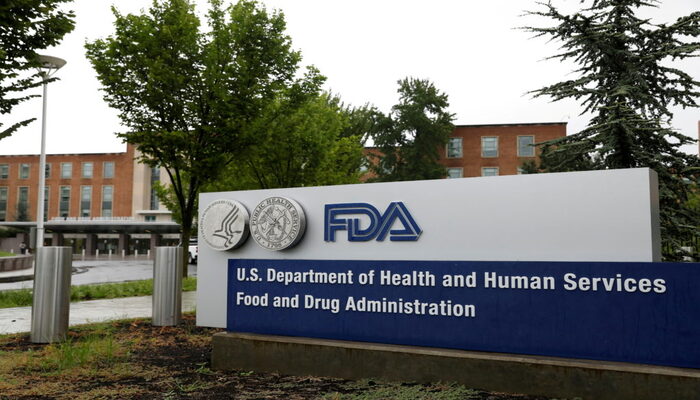
A total of $38 million has been granted by the US Food and Drug Administration (FDA) in the form of 19 new grants and two new contracts to support the forthcoming four years of clinical trial trials and regulatory tools for rare diseases.

The contracts are intended to support diversity, equity, and inclusion in clinical research as well as inform regulatory decision-making, according to Sandra Retzky, Director of the FDA’s Office of Orphan Products Development (OOPD).

An investment of more than $25 million will support 11 clinical trials to find cures for uncommon diseases. Research into seven rare tumours that involve the brain and peripheral nerves is funded. The Orphan Products Grants Program of the FDA attempts to hasten the development of treatments for uncommon diseases. The Orphan Treatments Grants Program, according to FDA Commissioner Dr. Robert M. Califf, has enabled the clearance of more than 80 rare disease products.

The FDA’s Rare Neurodegenerative Disease Grant Program was recently formed in support of the Accelerating Access to Critical Therapies for Amyotrophic Lateral Sclerosis Act. This programme was created to advance the research and development of drugs for uncommon neurodegenerative illnesses like ALS.

ACT for ALS makes sure the FDA awards organisations funds and deals to aid with the expense of doing research. The act will also make it possible to produce more treatments that can be used to prevent, identify, treat, or even cure diseases in both adults and children. The National Institutes of Health (NIH) partially-financed ALS study could influence medication development and possibly direct future regulatory choices for the treatment of ALS.

Earlier this year, the FDA unveiled its Action Initiative for Rare Neurodegenerative Diseases, a five-year plan to advance the discovery and availability of novel, secure treatments. The ACT for ALS Act was followed in the development of the plan.

Other studies funded by the FDA will examine uncommon conditions such as ataxia-telangiectasia and myotonic dystrophy type 1 (MDT1). Additionally, two contracts about uncommon neurodegenerative illnesses were funded by the FDA. Which will:

To lessen the burden on patients and eventually permit decentralised trials, investigate whether a physical evaluation of ALS patients, traditionally performed in a hospital facility, may be performed remotely at home.

Executeย a landscape analysis of patient preference information (PPI) studies centred on brain-computer interface (BCI) devices, which enable patients to communicate with their loved ones and medical staff, is important.

Latest stories

Related stories

BeOne Signs $2B Trispecific Antibody Deal with Huahui Health

BeOne Medicines has entered into a high-value agreement with...

Quantum Machine Learning in Pharma Research Growth

The convergence of artificial intelligence and quantum processing is opening new avenues for rapid discovery and innovation within the life sciences. By utilizing advanced mathematical models that operate across multi-dimensional datasets, researchers can now identify complex biological patterns and predict molecular behaviors with a speed that surpasses traditional computational methods. This transformation is accelerating the development of novel therapies and providing deeper insights into disease mechanisms, fundamentally altering the trajectory of pharmaceutical research and development.

Quantum Sensors Enabling Advanced Drug Diagnostics

The landscape of medical diagnostics is being reshaped by the introduction of sensing technologies that operate with atomic-level sensitivity. By providing high-fidelity measurements and real-time data, these tools allow for the detection of subtle biological changes and chemical markers that were previously invisible to conventional equipment. This advancement is enhancing the precision of drug testing and clinical monitoring, leading to earlier disease detection and more effective therapeutic interventions across the global healthcare spectrum.

Subscribe

- Never miss a story with notifications

- Gain full access to our premium content

- Browse free from any location or device.

Media Packs

Expand Your Reach With Our Customized Solutions Empowering Your Campaigns To Maximize Your Reach & Drive Real Results!

โ€“ Access theMedia Pack Now

โ€“ Book a Conference Call

โ€“ Leave Message for Us to Get Back

Translate ยป