














Close
Novotech
Jabsco PureFlo 21 Single Use

Revolutionizing Pharma Manufacturing with Biofermentation

Note* - All images used are for editorial and illustrative purposes only and may not originate from the original news provider or associated company.

Subscribe

- Never miss a story with notifications

- Gain full access to our premium content

- Browse free from any location or device.

Media Packs

Expand Your Reach With Our Customized Solutions Empowering Your Campaigns To Maximize Your Reach & Drive Real Results!

– Access the Media Pack Now

– Book a Conference Call

– Leave Message for Us to Get Back

Related stories

Smart Inspection Systems with HV Leak Detection Technology

The convergence of digital transformation and precision engineering has given rise to a new generation of quality control in pharmaceutical manufacturing. Smart inspection systems with HV leak detection technology utilize advanced sensors and real-time data analytics to identify microscopic structural flaws in sterile packaging with unprecedented accuracy. By automating the detection of leaks that are invisible to the human eye, these intelligent systems significantly enhance the reliability of the manufacturing process, ensuring that every container meets the highest standards of safety and sterility.

Integrated Inspection Systems for Leak Detection in Pharma

The pharmaceutical industry is increasingly moving toward a more holistic approach to quality control by combining various inspection technologies into a single, unified platform. Integrated inspection systems for leak detection in pharma offer a multi-faceted solution that simultaneously addresses cosmetic defects, particulate contamination, and container closure integrity. By merging high-speed visual cameras with sensitive high-voltage leak detection modules, these systems provide a comprehensive assessment of every unit, ensuring that each dose of medication is contained within a perfectly sealed and sterile environment. This integration not only reduces the risk of secondary contamination but also significantly improves the overall efficiency and reliability of the manufacturing process.

Advancing Pharma Quality with HV Leak Detection Tools

Maintaining the highest standards of pharmaceutical quality is a fundamental requirement for the safe delivery of injectable medications. The development of advancing pharma quality with HV leak detection tools represents a major leap forward in the deterministic testing of container closure integrity. By utilizing sophisticated sensors and high-voltage electrical fields, these tools can detect microscopic structural defects that would otherwise compromise the sterility of life-saving products. This high-sensitivity approach significantly enhances the accuracy of the inspection process, providing manufacturers with a robust solution for ensuring packaging integrity and regulatory compliance.
- Advertisement -

Synthetic Chemistry and Integrated Biofermentation Transformational Pharmaceutical Manufacturing

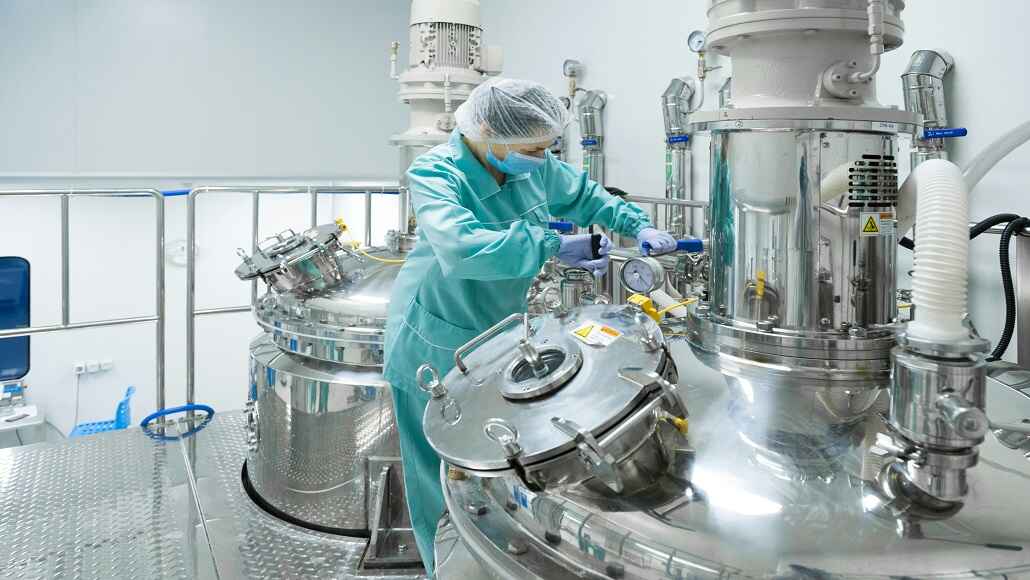
Combining biofermentation with chemical synthesis is shown to be creative in the realm of pharmaceutical manufacturing.  Following industry sustainability and innovation goals, this modern approach raises manufacturing process efficiency.  Businesses, researchers, and developers are urged to mix these two apparently incompatible strategies to save costs, increase operational effectiveness, and assist to build a more ecologically friendly drug development process.

 Biofermentation and synthetic chemistry

Though nature has long been a source of bioactive chemicals for medication research, direct acquisition of these molecules still proves difficult and expensive.  Nowadays, the pharmaceutical sector is using the complementary characteristics of chemical synthesis and biofermentation more and more to address this.  Modern microbiology and biotechnology under biofermentation harness microorganisms in synthesis of complex molecules—which conventional chemical techniques find difficult to generate.  Then chemical synthesis comes in to improve and change existing molecules, therefore increasing their therapeutic value and making it possible to synthesize new molecules with special qualities.  Particularly in fields like oncology, this mix of strategy helps the synthesis of innovative therapeutic molecules to be particularly vital. 

Combining the efficiency and inventiveness of biofermentation with the accuracy of chemical synthesis helps to produce innovative medications needed for the treatment of demanding diseases.

Efficiency and energy propel success  

Combining chemical synthesis with biofermentation has financial as well as technological advantages.  From a manufacturing aspect, it provides a gateway to a wider spectrum of sophisticated small molecules many of which are otherwise unreachable with present techniques.  Important elements driving the greener production activities in the pharmaceutical sector; this simplified method minimises waste, maximises raw material utilisation, and minimises redundant manufacturing process stages.

Combining technologies on one location helps pharmaceutical businesses streamline their supply chains, minimise logistical challenges, and raise product quality.  By not only accelerating production schedules but also by reducing the related hazards of supply chain inefficiencies, this guarantees greater consistency and long-term sustainability in manufacturing processes.

 Advantages for Pharmaceutical Businesses

The advantages of companies using this combined approach go much beyond just operational effectiveness.  Combining biofermentation with chemical synthesis inside one plant provides unmatched adaptability to meet consumer needs whether for outside alliances or internal innovation.  From development to commercial-scale manufacturing, it also guarantees a flawless change along the value chain.  This all-encompassing strategy enables businesses to be competitive leaders in effectively and sustainably producing priceless pharmaceutical solutions.

 The Importance of Technology Transfer

Good technological transfer is essential for effective application of this integration.  Products moving from the development stage to full-scale commercial production have to be carefully risk-assessed, completely GMP compliant, and have a flexible structure to satisfy the particular requirements of every project.  Structured technology transfer solutions are meant to simplify this procedure such that project schedules may be assured faster without sacrificing requirements.

Furthermore, knowledge sharing is very important for ecologically friendly production.  Advanced production techniques and energy-efficient technology can help businesses drastically cut waste, cut prices, and keep strict regulatory compliance.  Apart from fulfilling environmental responsibilities, these initiatives increase market competitiveness.

 Composing the Future of Drug Production

Combining chemical synthesis with biofermentation marks a major development in pharmaceutical manufacturing.  This all-encompassing strategy is enhancing patient care, inspiring innovation in the manufacturing of breakthrough therapeutic drugs, and therefore supporting the sector’s sustainability commitment.  Supported by technology for transfer, businesses are better equipped to control the complexity of modern production and provide solutions benefiting the environment as well as healthcare systems.

This paradigm change in medication manufacture finally emphasises the need of including contemporary technologies and approaches into pharmacological treatments.  Using these technologies not only solves present problems but also opens the path for a future focused on patients that is ecologically friendly.

Latest stories

Related stories

Smart Inspection Systems with HV Leak Detection Technology

The convergence of digital transformation and precision engineering has given rise to a new generation of quality control in pharmaceutical manufacturing. Smart inspection systems with HV leak detection technology utilize advanced sensors and real-time data analytics to identify microscopic structural flaws in sterile packaging with unprecedented accuracy. By automating the detection of leaks that are invisible to the human eye, these intelligent systems significantly enhance the reliability of the manufacturing process, ensuring that every container meets the highest standards of safety and sterility.

Integrated Inspection Systems for Leak Detection in Pharma

The pharmaceutical industry is increasingly moving toward a more holistic approach to quality control by combining various inspection technologies into a single, unified platform. Integrated inspection systems for leak detection in pharma offer a multi-faceted solution that simultaneously addresses cosmetic defects, particulate contamination, and container closure integrity. By merging high-speed visual cameras with sensitive high-voltage leak detection modules, these systems provide a comprehensive assessment of every unit, ensuring that each dose of medication is contained within a perfectly sealed and sterile environment. This integration not only reduces the risk of secondary contamination but also significantly improves the overall efficiency and reliability of the manufacturing process.

Advancing Pharma Quality with HV Leak Detection Tools

Maintaining the highest standards of pharmaceutical quality is a fundamental requirement for the safe delivery of injectable medications. The development of advancing pharma quality with HV leak detection tools represents a major leap forward in the deterministic testing of container closure integrity. By utilizing sophisticated sensors and high-voltage electrical fields, these tools can detect microscopic structural defects that would otherwise compromise the sterility of life-saving products. This high-sensitivity approach significantly enhances the accuracy of the inspection process, providing manufacturers with a robust solution for ensuring packaging integrity and regulatory compliance.

HV Leak Detection Enhancing Pharma Inspection Lines Quality

Modern pharmaceutical manufacturing requires a seamless blend of speed and precision to ensure the sterility of injectable products. The integration of HV leak detection pharma inspection modules into high-speed production lines is a game-changer for maintaining container closure integrity. By identifying microscopic defects without slowing down the throughput, this technology significantly reduces waste and ensures that every unit complies with the most stringent global regulatory standards for drug safety.

Subscribe

- Never miss a story with notifications

- Gain full access to our premium content

- Browse free from any location or device.

Media Packs

Expand Your Reach With Our Customized Solutions Empowering Your Campaigns To Maximize Your Reach & Drive Real Results!

– Access theMedia Pack Now

– Book a Conference Call

– Leave Message for Us to Get Back

Translate »