








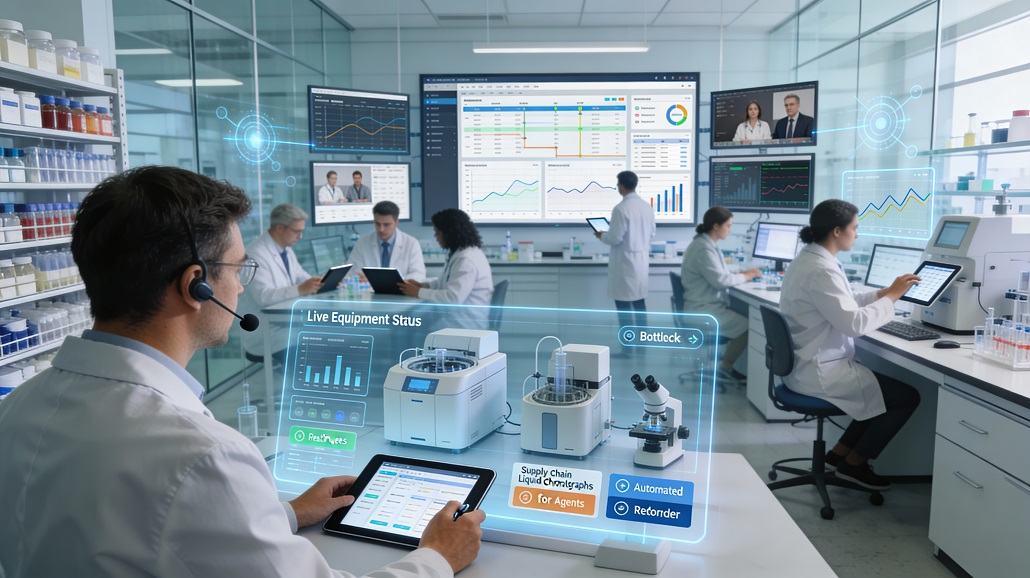
In the competitive world of pharmaceutical research, the efficiency of laboratory operations is a primary determinant of a company’s success. As research projects grow in complexity, the traditional reliance on paper notebooks and disparate spreadsheets has become a major liability. The introduction of digital lab management systems has provided a way to unify these fragmented processes into a cohesive, high-performance environment. By focusing on lab productivity and the integration of smart lab solutions, organizations can unlock hidden capacity within their existing facilities and accelerate the delivery of new therapies.
The Foundation of a High-Efficiency Laboratory
A productive lab is one where every asset, from a high-performance liquid chromatograph to a simple pipette, is tracked and maintained with precision. Digital lab management systems act as the operational backbone for these facilities, providing a real-time overview of resource availability. In many pharmaceutical labs, a significant amount of time is lost searching for reagents or waiting for equipment to become available. By digitizing these inventory and scheduling tasks, labs can eliminate these common sources of friction and ensure that the workflow remains constant.
Streamlining Workflow Optimization
Workflow optimization is not a one-time event but a continuous process of refinement. Modern digital lab management systems provide the data necessary to identify where delays are occurring. For example, if a particular centrifuge is consistently overbooked, the system can flag this as a bottleneck, allowing management to make informed decisions about new equipment purchases or shifts in scheduling. This data-driven approach to lab productivity ensures that the facility is always operating at its peak potential.
Enhancing Data Accuracy Through Digital Entry
One of the most profound impacts of smart lab solutions is the improvement in data quality. When experimental parameters are entered directly into digital lab management systems, the risk of transcription errors is virtually eliminated. Furthermore, many digital platforms can pull data directly from laboratory instruments, ensuring that the raw results are captured exactly as they were generated. This direct integration not only speeds up the documentation process but also provides a more secure and reliable foundation for subsequent analysis in pharmaceutical labs.
Maximizing Human Capital in Pharmaceutical Labs
The most valuable asset in any laboratory is the expertise of the scientists. However, even the most brilliant researchers can have their productivity hampered by administrative tasks. Digital lab management systems are designed to automate as much of this non-scientific work as possible. From generating compliance reports to managing safety data sheets, these digital tools handle the overhead, allowing the staff to focus on experimental design and data interpretation.
Collaborative Environments and Remote Access
In the modern research landscape, collaboration often spans across different buildings, cities, or even continents. Digital lab management systems facilitate this by providing a centralized repository for all project-related information. Scientists can share protocols, view results, and provide feedback in real-time, regardless of their physical location. This level of connectivity is a cornerstone of lab productivity, as it prevents the duplication of effort and ensures that the entire team is moving in the same direction.
Real-Time Inventory and Supply Chain Management
Maintaining the right balance of laboratory supplies is a complex logistical challenge. Running out of a critical reagent can halt a project for days, while overstocking leads to waste and increased costs. Smart lab solutions include intelligent inventory management modules that can track usage rates and automatically trigger reorders when stocks hit a certain threshold. This seamless integration of the supply chain into the digital lab management systems ensures that pharmaceutical labs are never caught unprepared, maintaining a steady pace of discovery.
Overcoming Resistance to Digital Transformation
Despite the clear benefits, moving from manual to digital processes can be met with resistance. Scientists are often comfortable with their established routines and may view new software as a distraction. To ensure successful adoption, it is essential to choose digital lab management systems that are intuitive and genuinely additive to the researcher’s workflow. The goal should be to demonstrate how these smart lab solutions make their daily lives easier by reducing the burden of manual record-keeping and providing instant access to information.
Training and Long-Term Support
The implementation of digital tools must be accompanied by comprehensive training. Lab productivity is only enhanced when the staff is fully proficient in using the available systems. This involves not only initial onboarding but also ongoing support as the platform evolves and new features are added. When pharmaceutical labs view digital transformation as a partnership between technology and personnel, the resulting gains in efficiency can be transformative.
The Future of Connected Lab Ecosystems
As we look toward the future, the integration between different lab systems will become even more seamless. We are moving toward a “total lab ecosystem” where digital lab management systems are connected to every instrument, sensor, and database. This will allow for autonomous lab workflow optimization where the system can re-route experiments based on equipment health or resource availability without human intervention. The potential for such smart lab solutions to redefine lab productivity is immense, paving the way for a more agile and responsive pharmaceutical industry.
In conclusion, the adoption of digital lab management systems is no longer an optional upgrade for pharmaceutical labs; it is a critical requirement for staying competitive. By streamlining operational workflows, enhancing data accuracy, and empowering scientists to focus on innovation, these platforms provide the necessary infrastructure for sustained lab productivity. As the industry continues to evolve, the ability to manage complexity through intelligent, digital solutions will remain the hallmark of the most successful research organizations.