












Close
Smartlab Europe
Inizio Ignite

UK Approves Pfizer COVID-19 Vaccine: Expect A Next Week Roll-Out

Note* - All images used are for editorial and illustrative purposes only and may not originate from the original news provider or associated company.

Subscribe

- Never miss a story with notifications

- Gain full access to our premium content

- Browse free from any location or device.

Media Packs

Expand Your Reach With Our Customized Solutions Empowering Your Campaigns To Maximize Your Reach & Drive Real Results!

– Access the Media Pack Now

– Book a Conference Call

Leave Message for Us to Get Back

Related stories

Predictive Analytics in Labs: Driving Smarter Decisions in Pharma

The application of statistical algorithms and machine learning techniques to historical research data is enabling scientists to anticipate experimental outcomes and identify emerging patterns with unprecedented accuracy. By moving from a retrospective view of data to a forward-looking perspective, research facilities can optimize their strategies and focus their resources on the most promising therapeutic avenues.

IoT Applications Enhancing Laboratory Operational Efficiency

The integration of internet-connected sensors and smart devices is fundamentally reshaping how research facilities monitor their environment and manage their instrumentation. By providing a constant stream of real-time data, these technological advancements allow for a more granular level of control over laboratory operations, ensuring that the delicate conditions required for high-stakes pharmaceutical research are maintained with absolute precision.

Optimizing Pharma Workflows with Integrated Lab Software Solutions

The modern laboratory environment requires a unified approach to data management and process control to remain competitive. By bridging the gap between disparate instruments and legacy databases, research facilities can eliminate operational silos and create a high-speed environment where innovation is no longer hindered by fragmented digital infrastructure.
- Advertisement -

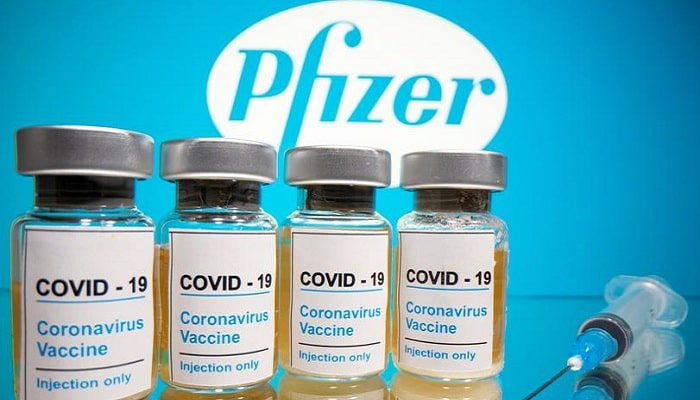
In a historic occurrence which has taken the world by storm, the UK Government has officially approved the usage of Pfizer’s coronavirus vaccine. This move may bring a lot of intensity to other countries and their respective regulators too. The prolonged process of any vaccine development usually takes years of designs, clinical trials and regulatory scrutiny. However, in COVID-19’s scenario, the process has been expedited to within 10 months.

The approval comes as an emergency step which has put the UK ahead of the United States to become the first country in the west to adopt mass vaccination against a disease that has caused havoc around the world. The fact that this vaccine must be transported in the south-pole like temperatures, the approval from the UK drug regulator testifies the country’s aggressive vaccination strategy that already looks to be in place.

The vaccine is expected to be available in the UK from next week. The recommendation to approve usage came from the independent Medicines and Healthcare Products Regulatory Agency- MHRA. UK’s National Health Service- NHS has been able to successfully implement large scale vaccination programs in the past, but this distribution is surely going to be putting their extensive preparation to test. Pfizer has manufactured this vaccine in collaboration with its German partner BioNTech. With 95% efficacy, there are plenty of reasons to believe that this vaccine is going to be safe, both on quality and effectiveness parameters.

Pfizer CEO, Albert Bourla has called this move a historic step in the fight against COVID-19. Doctors in the UK were put on standby for a possible roll-out as one could make out the swiftness with which the authorities were going ahead with seeking approvals at all levels. This vaccine is going to be a two-shot process and the UK is expecting to immunize 20 million people through it.

While the British Prime Minister, Boris Johnson hailed this move as fantastic, Matt Hancock, UK’s health secretary was of a belief that the normalcy due to this decision would return by April next year. This vaccine has to be refrigerated at a temperature of minus 70-80 degrees celsius, but once delivered to the vaccination centres, it can be stored up to 5 days in a fridge at a temperature between 2-8 degrees celsius and administered.

Although this comes as a relief yet it has also stirred a global debate about how safe this vaccine would be. We so look forward to having the old times back through this consequential accomplishment.

Latest stories

Related stories

Predictive Analytics in Labs: Driving Smarter Decisions in Pharma

The application of statistical algorithms and machine learning techniques to historical research data is enabling scientists to anticipate experimental outcomes and identify emerging patterns with unprecedented accuracy. By moving from a retrospective view of data to a forward-looking perspective, research facilities can optimize their strategies and focus their resources on the most promising therapeutic avenues.

IoT Applications Enhancing Laboratory Operational Efficiency

The integration of internet-connected sensors and smart devices is fundamentally reshaping how research facilities monitor their environment and manage their instrumentation. By providing a constant stream of real-time data, these technological advancements allow for a more granular level of control over laboratory operations, ensuring that the delicate conditions required for high-stakes pharmaceutical research are maintained with absolute precision.

Optimizing Pharma Workflows with Integrated Lab Software Solutions

The modern laboratory environment requires a unified approach to data management and process control to remain competitive. By bridging the gap between disparate instruments and legacy databases, research facilities can eliminate operational silos and create a high-speed environment where innovation is no longer hindered by fragmented digital infrastructure.

Advanced Robotics Driving Pharmaceutical Lab Efficiency

The implementation of high-speed robotic systems and automated handling technologies is fundamentally altering the productivity of modern research facilities. By taking over repetitive physical tasks and operating with sub-millimeter precision, these mechanical innovators are allowing scientific staff to redirect their cognitive energy toward complex analysis and the development of breakthrough therapies.

Subscribe

- Never miss a story with notifications

- Gain full access to our premium content

- Browse free from any location or device.

Media Packs

Expand Your Reach With Our Customized Solutions Empowering Your Campaigns To Maximize Your Reach & Drive Real Results!

– Access theMedia Pack Now

– Book a Conference Call

Leave Message for Us to Get Back

Translate »