







Achema middle east

Cancer Diagnostics Market Outlook 2031: Growth Trends and Insights

Note* - All images used are for editorial and illustrative purposes only and may not originate from the original news provider or associated company.

Subscribe

- Never miss a story with notifications

- Gain full access to our premium content

- Browse free from any location or device.

Media Packs

Expand Your Reach With Our Customized Solutions Empowering Your Campaigns To Maximize Your Reach & Drive Real Results!

– Access the Media Pack Now

– Book a Conference Call

Leave Message for Us to Get Back

Related stories

Laboratory Automation and Robotics: Improving Accuracy and Throughput in Pharma R&D

Laboratory automation and robotics are redefining pharmaceutical R&D by eliminating manual errors, enabling high-throughput screening, and freeing scientists to focus on innovation through "lights-out" operations.

Smart Laboratories and the Rise of Connected Pharma Equipment Ecosystems

Connected equipment ecosystems revolutionize pharmaceutical operations by integrating AI-driven analytics, digital twins, and seamless middleware to enhance visibility, collaboration, and decision-making across the value chain.

Digital Calibration and Predictive Maintenance of Pharmaceutical Lab Instruments

Digital calibration and predictive maintenance use IoT and AI to transform lab asset management, shifting from reactive repairs to proactive strategies that ensure data integrity and maximize uptime.
- Advertisement -

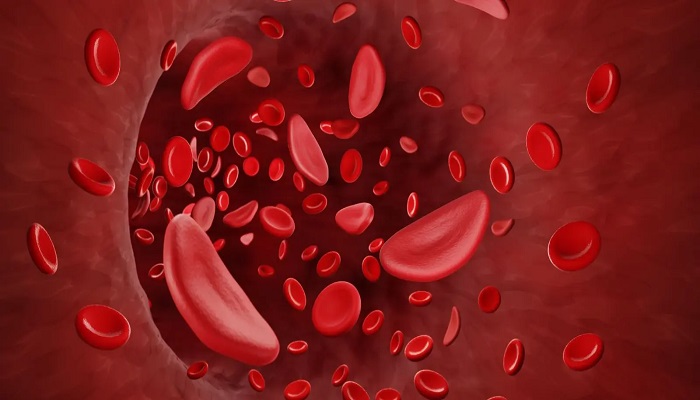
The global cancer diagnostics market, valued at USD 163.7 billion in 2021, is anticipated to witness substantial growth, reaching over USD 335.7 billion by 2031, with a projected compound annual growth rate (CAGR) of 7.4% from 2022 to 2031. Analysts foresee several factors contributing to this growth trajectory, including technological advancements, government initiatives, and increased funding in the sector.

One of the key drivers of market growth is the rise in cancer cases worldwide. This surge is attributed to various factors such as environmental influences, genetic mutations, and lifestyle choices. Technological innovations, particularly in companion diagnostics and breakthrough detection technologies like proteomics and genomics, are expected to bolster the demand for cancer diagnostic devices.

Early detection of cancer is crucial for effective treatment and improved patient outcomes. Consequently, there has been a significant uptick in cancer awareness and early screening programs in recent years. Despite these efforts, reducing mortality rates from advanced-stage cancers remains a challenge. However, advancements in identifying specific cancer biomarkers have paved the way for improved detection and targeted therapies.

Non-invasive diagnostic procedures have gained popularity among patients due to their convenience and lower associated costs. Imaging tests such as ultrasound, MRI, and CT scans, along with liquid biopsies, are preferred for their simplicity and effectiveness in detecting cancer. This preference for non-invasive methods is expected to drive the demand for such diagnostic tests in the coming years.

The global cancer diagnostics market is segmented based on test types, applications, and end-users. Biopsy procedures, which have seen continuous improvement leading to the development of liquid biopsy technologies, accounted for the largest market share in 2021. Additionally, the rise in smoking habits is driving the demand for lung cancer diagnostics.

In terms of regional outlook, North America is poised to lead the global market, owing to factors such as changing demographics, increased cancer prevalence, and well-established diagnostic centers. Meanwhile, Asia Pacific is emerging as a significant market, with rising cancer rates and government support for research and development initiatives.

Key players in the global cancer diagnostics market include Abbott, Agilent Technologies, Inc., Roche Ltd., and Thermo Fisher Scientific, Inc. These companies are focusing on new product developments, strategic partnerships, and acquisitions to strengthen their market position.

Latest stories

Related stories

Laboratory Automation and Robotics: Improving Accuracy and Throughput in Pharma R&D

Laboratory automation and robotics are redefining pharmaceutical R&D by eliminating manual errors, enabling high-throughput screening, and freeing scientists to focus on innovation through "lights-out" operations.

Smart Laboratories and the Rise of Connected Pharma Equipment Ecosystems

Connected equipment ecosystems revolutionize pharmaceutical operations by integrating AI-driven analytics, digital twins, and seamless middleware to enhance visibility, collaboration, and decision-making across the value chain.

Digital Calibration and Predictive Maintenance of Pharmaceutical Lab Instruments

Digital calibration and predictive maintenance use IoT and AI to transform lab asset management, shifting from reactive repairs to proactive strategies that ensure data integrity and maximize uptime.

Quality Control Laboratory Equipment Trends Driven by Global Regulatory Expectations

The landscape of pharmaceutical quality control is evolving rapidly, with strict global regulations dictating the design and function of laboratory instruments. This article examines how advancements in dissolution testers, stability chambers, and microbial testing tools are being engineered to meet enhanced compliance standards, ensuring rigorous data integrity and audit readiness in QC workflows.

Subscribe

- Never miss a story with notifications

- Gain full access to our premium content

- Browse free from any location or device.

Media Packs

Expand Your Reach With Our Customized Solutions Empowering Your Campaigns To Maximize Your Reach & Drive Real Results!

– Access theMedia Pack Now

– Book a Conference Call

Leave Message for Us to Get Back

Translate »