











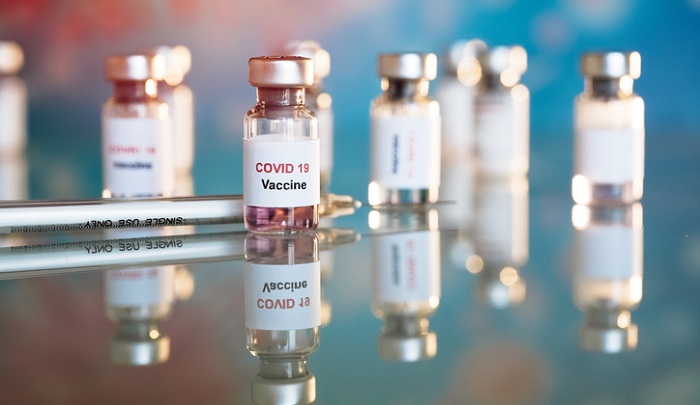
Moderna, Inc., a biotechnology company pioneering messenger RNA (mRNA) therapeutics and vaccines to create a new generation of transformative medicines for patients, announced an expanded supply agreement with the Ministry of Health of Israel for an additional 4 million doses of mRNA-1273, Moderna’s vaccine candidate against COVID-19. The Israeli government has now secured 6 million doses of mRNA-1273. This agreement will support the ongoing efforts by the Ministry to secure early access to a COVID-19 vaccine for the people of Israel. The Company has already initiated the rolling regulatory review process with the Ministry of Health in Israel.
“We appreciate the confidence the Government of Israel and the Ministry of Health has shown in mRNA-1273, our COVID-19 vaccine candidate, with this second purchase,” said Stéphane Bancel, Chief Executive Officer of Moderna. “We are proud of the progress we have made to date on mRNA-1273, including the recent positive primary efficacy analysis of the Phase 3 COVE Study. We will continue our ongoing dialogue with the Ministry of Health in Israel as we seek to develop our vaccine candidate.”
On November 30, Moderna announced that the primary efficacy analysis of the Phase 3 study of mRNA-1273 conducted on 196 cases confirmed the high efficacy observed at the first interim analysis. The data analysis indicates a vaccine efficacy of 94.1%. Safety data continue to accrue and the study continues to be monitored by an independent, NIH-appointed Data Safety Monitoring Board (DSMB). Based on prior analysis, the most common solicited adverse reactions included injection site pain, fatigue, myalgia, arthralgia, headache, and erythema/redness at the injection site. Solicited adverse reactions increased in frequency and severity in the mRNA-1273 group after the second dose. The Phase 3 study, known as the COVE study, enrolled more than 30,000 participants in the U.S. and is being conducted in collaboration with NIAID part of the NIH and the Biomedical Advanced Research and Development Authority (BARDA), part of the Office of the Assistant Secretary for Preparedness and Response at the U.S. Department of Health and Human Services.
Moderna continues to scale up its global manufacturing to be able to deliver approximately 500 million doses per year and possibly up to 1 billion doses per year, beginning in 2021. The Company is working with its strategic manufacturing partners, Lonza of Switzerland and ROVI of Spain, for manufacturing and fill-finish outside of the United States. This is a dedicated supply chain to support countries other than the United States that enter into purchase agreements with Moderna.
About Moderna
Moderna is advancing messenger RNA (mRNA) science to create a new class of transformative medicines for patients. mRNA medicines are designed to direct the body’s cells to produce intracellular, membrane or secreted proteins that can have a therapeutic or preventive benefit and have the potential to address a broad spectrum of diseases. The company’s platform builds on continuous advances in basic and applied mRNA science, delivery technology and manufacturing, providing Moderna the capability to pursue in parallel a robust pipeline of new development candidates. Moderna is developing therapeutics and vaccines for infectious diseases, immuno-oncology, rare diseases and cardiovascular diseases, independently and with strategic collaborators.
Headquartered in Cambridge, Mass., Moderna currently has strategic alliances for development programs with AstraZeneca PLC and Merck & Co., Inc., as well as the Defense Advanced Research Projects Agency (DARPA), an agency of the U.S. Department of Defense, and the Biomedical Advanced Research and Development Authority (BARDA), a division of the Office of the Assistant Secretary for Preparedness and Response (ASPR) within the U.S. Department of Health and Human Services (HHS). Moderna has been named a top biopharmaceutical employer by Science for the past six years.