













Close
Almac
Achema middle east

Alexion Irish Factory Gets A $68.7M Upgrade From AstraZeneca

Note* - All images used are for editorial and illustrative purposes only and may not originate from the original news provider or associated company.

Subscribe

- Never miss a story with notifications

- Gain full access to our premium content

- Browse free from any location or device.

Media Packs

Expand Your Reach With Our Customized Solutions Empowering Your Campaigns To Maximize Your Reach & Drive Real Results!

– Access the Media Pack Now

– Book a Conference Call

Leave Message for Us to Get Back

Related stories

First GLP-1 Pill for Obesity by Novo Nordisk Approved by FDA

The U.S. Food and Drug Administration – FDA on...

How High-Achievers Stay Future-Ready in Evolving Job Markets

Job markets today are transforming rapidly. In the past...

Proactive Risk Management as a Core Capability in Pharma Development

Risk management in pharma is often treated as a reactive compliance box-ticking exercise. This article argues for reframing risk as a strategic competitive advantage. It details proactive frameworks like the "Excipient Exclusion Filter," Decision Quality (DQ) matrices, and "pre-mortem" analyses that allow development teams to anticipate failure modes and engineer them out of the pipeline before they occur.
- Advertisement -

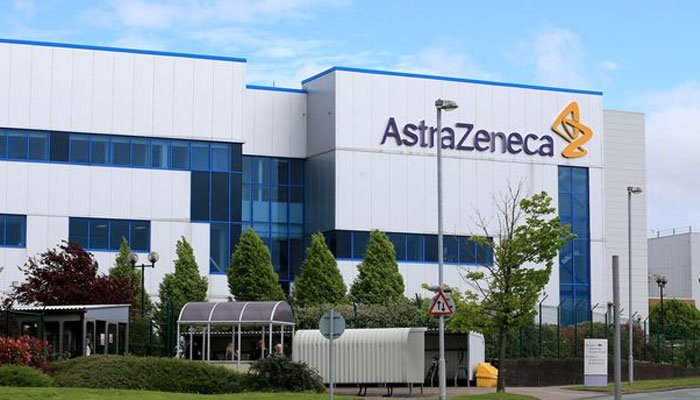
The $39 billion acquisition of Alexion by AstraZeneca was accomplished less than a year ago. However, the main business is investing immediately in its subsidiary for rare diseases, particularly in Ireland. A couple of months after the acquisition was finalised, AZ said it would be investing $360 million in a new production facility in Dublin. The company now claims to be investing an additional 65 million euros ($68.7 million) in the location and an Alexion plant in Ireland’s Athlone, 120 kilometres to the west.

The upgrades will strengthen Alexion’s ability to produce drug substances in Ireland, and the lab will support the expansion of the manufacture of biologic medication substances. The businesses didn’t disclose if new employment was being created as part of the investment.

In Dublin’s Blanchardstown neighbourhood, AZ announced in September of last year that it was constructing a new active pharmaceutical ingredient facility for small molecules. Additionally, planned for the plant are the production of oligonucleotides and antibody drug prodrugs, which will add about 100 positions. At the Athlone location, AZ is installing new machinery for the manufacturing of novel medicinal substances. It is also constructing a new production and science technology lab at the Dublin plant. The firms are constructing cold and ambient storage warehousing facilities at both locations.

Pam Cheng, AZ’s executive vice president of global operations and IT, stated at the time that the future production of APIs for their medicines involves substances with massively complicated synthesis, needing next-generation resources and tools that can respond quickly and skilfully to rapidly changing clinical and commercial needs.

AZ’s decision to purchase Boston-based Alexion was driven by its aim to be a player in the field of rare diseases. Soliris and Ultomiris were important medications acquired through the transaction.


Latest stories

Related stories

First GLP-1 Pill for Obesity by Novo Nordisk Approved by FDA

The U.S. Food and Drug Administration – FDA on...

How High-Achievers Stay Future-Ready in Evolving Job Markets

Job markets today are transforming rapidly. In the past...

Proactive Risk Management as a Core Capability in Pharma Development

Risk management in pharma is often treated as a reactive compliance box-ticking exercise. This article argues for reframing risk as a strategic competitive advantage. It details proactive frameworks like the "Excipient Exclusion Filter," Decision Quality (DQ) matrices, and "pre-mortem" analyses that allow development teams to anticipate failure modes and engineer them out of the pipeline before they occur.

Rethinking Pipeline Value Beyond Peak Sales Forecasts

The traditional reliance on risk-adjusted Net Present Value (rNPV) and peak sales forecasts is failing to capture the true potential of modern pharmaceutical assets, particularly platform technologies. This article introduces holistic valuation frameworks like Real Options Analysis (ROA) and the Platform VISTA model, arguing for a shift toward valuing "strategic fit," "lifecycle potential," and the intangible equity of innovation engines.

Subscribe

- Never miss a story with notifications

- Gain full access to our premium content

- Browse free from any location or device.

Media Packs

Expand Your Reach With Our Customized Solutions Empowering Your Campaigns To Maximize Your Reach & Drive Real Results!

– Access theMedia Pack Now

– Book a Conference Call

Leave Message for Us to Get Back

Translate »