












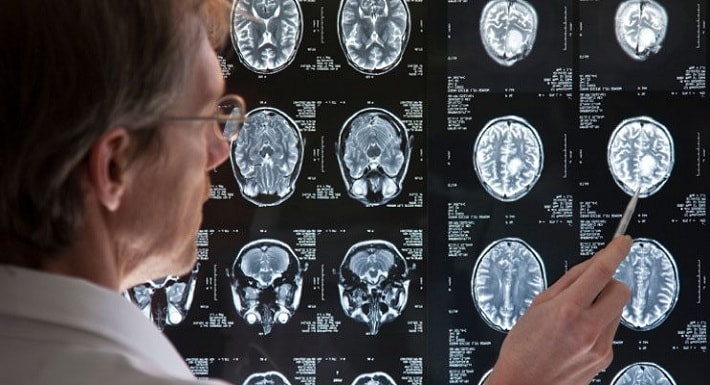
Doctors currently use a variety of tests to identify Alzheimer’s disease, including memory and cognitive tests that can take several weeks to set up and interpret. Only one of these is required in the new method, which is an MRI brain scan performed on typical 1.5 Tesla equipment present in most hospitals. The new method is based on an algorithm that was created for classifying cancer tumours. Researchers classified the brain into areas and assigned distinct attributes to each, teaching the algorithm to spot changes in these aspects that might effectively indicate the presence of Alzheimer’s disease.
Over 400 individuals with early and late-stage Alzheimer’s disease, healthy controls, and individuals with other neurological conditions had their brains scanned. They also used data from over 80 patients at Imperial College Healthcare NHS Trust who were having Alzheimer’s diagnostic tests.
The researchers discovered that an MRI-based machine learning system could effectively determine whether a patient had Alzheimer’s disease in 98% of the cases. In 79% of patients, it was also able to distinguish between early and late-stage Alzheimer’s disease with a high degree of accuracy.
Alzheimer’s disease is the most frequent cause of dementia in the United Kingdom, impacting over half a million people. Although the condition is most common in people over the age of 65, it can also affect people younger than that. Although there is no cure for Alzheimer’s disease, there are medications that can help ease the symptoms.
Patients will be able to seek advice and support, receive therapy to control their symptoms, and prepare for the future sooner thanks to the technique’s ability to analyse the disease in its earliest stages, when it can be difficult to diagnose. Currently, no other simple and generally available approaches can predict Alzheimer’s disease with this level of accuracy, said Professor Eric Aboagye of Imperial College London’s Department of Surgery and Cancer, who conducted the research.
Awaiting a diagnosis can be a nightmare for patients and their families. It would be really beneficial if one could reduce the amount of time patients have to wait, make diagnosis an easier procedure, and remove some of the ambiguity. This new method could also help doctors find early-stage patients in clinical trials of novel drugs or lifestyle changes, which is now difficult to do.