








Close
Almac
Achema middle east

Rapid Expansion Projected In Pharma Sterility Testing Market

Note* - All images used are for editorial and illustrative purposes only and may not originate from the original news provider or associated company.

Subscribe

- Never miss a story with notifications

- Gain full access to our premium content

- Browse free from any location or device.

Media Packs

Expand Your Reach With Our Customized Solutions Empowering Your Campaigns To Maximize Your Reach & Drive Real Results!

– Access the Media Pack Now

– Book a Conference Call

Leave Message for Us to Get Back

Related stories

Laboratory Equipment Outsourcing Through CDMOs: Strategic and Cost Implications

Outsourcing laboratory infrastructure to CDMOs offers pharma companies critical agility, transforming fixed capital costs into flexible operational expenses while accessing cutting-edge technology like Cryo-EM.

Smart Laboratories and the Rise of Connected Pharma Equipment Ecosystems

Connected equipment ecosystems revolutionize pharmaceutical operations by integrating AI-driven analytics, digital twins, and seamless middleware to enhance visibility, collaboration, and decision-making across the value chain.

Specialized Laboratory Equipment Requirements for Biologics and Biosimilar Development

The development of complex biological molecules requires a specialized toolkit distinct from traditional small-molecule chemistry. This article details the critical laboratory equipment—from advanced bioreactors to high-resolution characterization tools—that enables the precise engineering and rigorous analysis required for successful biologics and biosimilar innovation.
- Advertisement -

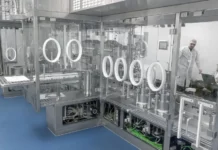
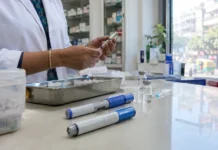
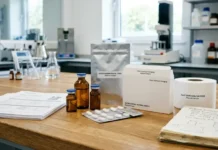
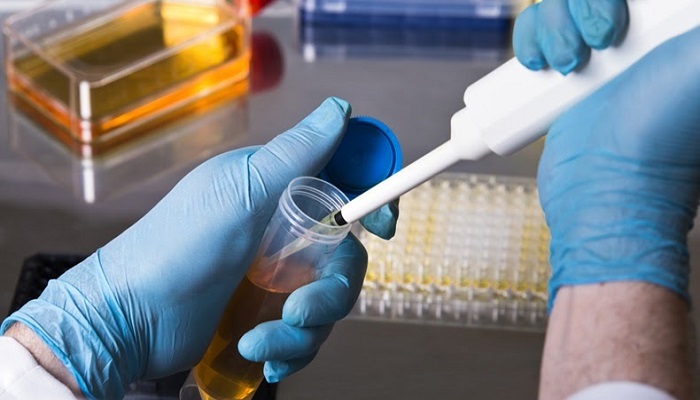
Recent insights suggest that the pharmaceutical sterility testing market is projected to grow from $0.636 billion in 2023 to $1.0223 billion by 2032. Factors such as the increasing emphasis on quality and sterility, government investments, and the introduction of new drugs are expected to drive this growth. Sterility testing is conducted across all stages of production in the pharmaceutical and biopharmaceutical industries to prevent product contamination. As a result, the market for sterility testing is set to expand alongside the growth of these industries in the coming years.

The market is experiencing growth due to various other factors, including pharmaceutical outsourcing and advancements in direct immunization, membrane filtration, and rapid sterility testing methods like bacterial endotoxin testing. According to insights, outsourcing will generate more revenue in the sterility testing market compared to in-house production. Experts predict a compound annual growth rate of 6.1% during the forecast period. The growing number of emerging pharmaceutical companies and the increasing prevalence of chronic diseases will play a significant role in driving this growth.

Factors Fueling the Growth of the Pharmaceutical Sterility Testing Market

The most profitable test among sterility testing, bioburden testing, and bacterial endotoxin testing was found to be bacterial endotoxin testing. Furthermore, the pharmaceutical sector is expected to experience growth due to increasing demand for parenteral medications. Recent insights reveal that the European pharmaceutical sterility testing market holds the second-largest share, driven by strict sterilization laws. Germany leads in market share for pharmaceutical sterility testing, while the UK’s market is the fastest-growing in Europe.

The Asia-Pacific region is expected to experience rapid growth in the next ten years due to emerging countries aligning their regulatory norms with ICH standards. This harmonization has led to increased opportunities in the pharmaceutical testing market. Leading market players like Merck, Sartorius AG, and bioMérieux are investing in R&D to expand their product lines and drive the growth of the pharmaceutical testing market. These companies are undertaking various activities such as new product launches, mergers and acquisitions, increased investments, and collaborations to expand their market presence.

Latest stories

Related stories

Laboratory Equipment Outsourcing Through CDMOs: Strategic and Cost Implications

Outsourcing laboratory infrastructure to CDMOs offers pharma companies critical agility, transforming fixed capital costs into flexible operational expenses while accessing cutting-edge technology like Cryo-EM.

Smart Laboratories and the Rise of Connected Pharma Equipment Ecosystems

Connected equipment ecosystems revolutionize pharmaceutical operations by integrating AI-driven analytics, digital twins, and seamless middleware to enhance visibility, collaboration, and decision-making across the value chain.

Specialized Laboratory Equipment Requirements for Biologics and Biosimilar Development

The development of complex biological molecules requires a specialized toolkit distinct from traditional small-molecule chemistry. This article details the critical laboratory equipment—from advanced bioreactors to high-resolution characterization tools—that enables the precise engineering and rigorous analysis required for successful biologics and biosimilar innovation.

Next-Generation Laboratory Equipment Redefining Drug Discovery Workflows

Advanced technologies such as AI-integrated high-throughput screening platforms and automated assay systems are fundamentally transforming early-stage pharmaceutical research. These innovations address critical bottlenecks in productivity and data quality, enabling research teams to accelerate timeline-to-candidate selection while enhancing the predictive accuracy of drug discovery campaigns.

Subscribe

- Never miss a story with notifications

- Gain full access to our premium content

- Browse free from any location or device.

Media Packs

Expand Your Reach With Our Customized Solutions Empowering Your Campaigns To Maximize Your Reach & Drive Real Results!

– Access theMedia Pack Now

– Book a Conference Call

Leave Message for Us to Get Back

Translate »