












4.4% of all greenhouse gas emissions come from the healthcare industry. The supply line for this industry is very complicated, and every year $35 billion worth of goods are lost. Startups have become strong forces for change, using new technologies to change the pharmaceutical supply chain and solve problems with speed, openness, and tracking. These new technologies are changing the field and helping people all over the world.
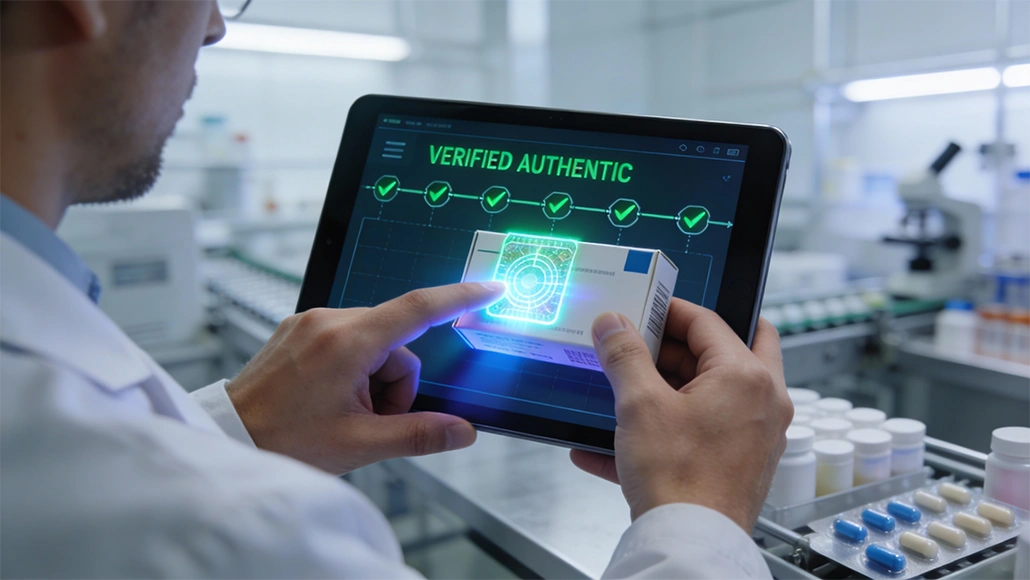
Tracking and control made possible by IoT: Pharma companies are using smart sensors and gadgets to track and watch packages in real time, which is called the Internet of Things (IoT). By getting information about where drugs and medical devices are, how hot or cold they are, and what kind of shape they are in along the supply chain, stakeholders can fix problems before they happen and lower the chances of products going bad, being fake, or being late. As an example, a company has created an IoT platform with smart stickers that can’t be changed to make sure that medicinal goods are real and safe.
Blockchain for better accountability and transparency: New businesses are using blockchain technology to make a permanent, independent record of all the transactions in the drug supply chain. This lets everyone involved, like customers, healthcare workers, and officials, check that medicinal goods are real and are moving safely. By stopping fake drugs and making sure patients are safe, these solutions are becoming more popular and are expected to have a big impact on the market.
Data analytics and AI-driven decision-making: To improve supply chain processes and make smart choices, startups are using both data analytics and artificial intelligence (AI). Startups can predict demand, handle goods better, and ease distribution by analyzing large amounts of data. This cuts costs, prevents stock-outs, and improves overall efficiency. AI systems give real-time information that helps improve shipping plans and keep product amounts at the right level.
Collaborative platforms for easy sharing of information: Startups are making collaborative platforms that connect people in the pharmaceutical supply chain and make it easier for them to share information and work together. These systems get rid of information walls and make things run more smoothly by letting makers, wholesalers, healthcare workers, and government bodies talk to each other. This method makes things clearer, cuts down on mistakes, and makes handling disputes better.
Solutions for quality verification and regulatory compliance: Startups are focused on making sure that all parts of the pharmaceutical supply chain follow the rules and keep quality standards high. Product verification and track-and-trace are made possible by unique identification numbers and packaging. This helps fight fraud, stop the spread of bad drugs, and keep quality assurance high.
Startups are using new ideas to make the pharmacy supply chain more efficient and clear. This has an effect on how the chain works, patient safety, and the availability of good drugs and medical products. As more industries adopt these game-changing technologies, startups will become more influential, which will be good for everyone around the world.