














Pharmaceutical manufacturers are under mounting pressure to become faster and more agile, due to a rise in global demand for therapies in areas like oncology, weight loss and immune disorders. Meanwhile, labs and manufacturing lines continue to be hampered by outdated, manual processes. Equipment downtime, fragmented systems, and resource inefficiencies are slowing output, leading to significant strain on supply chains, time-to-market and regulatory compliance.
To address these pressures, many companies have turned to traditional forms of artificial intelligence (AI). These tools analyze data and generate insights, but action still relies on human intervention. While useful, this approach struggles to keep pace with the real-time demands of modern manufacturing.
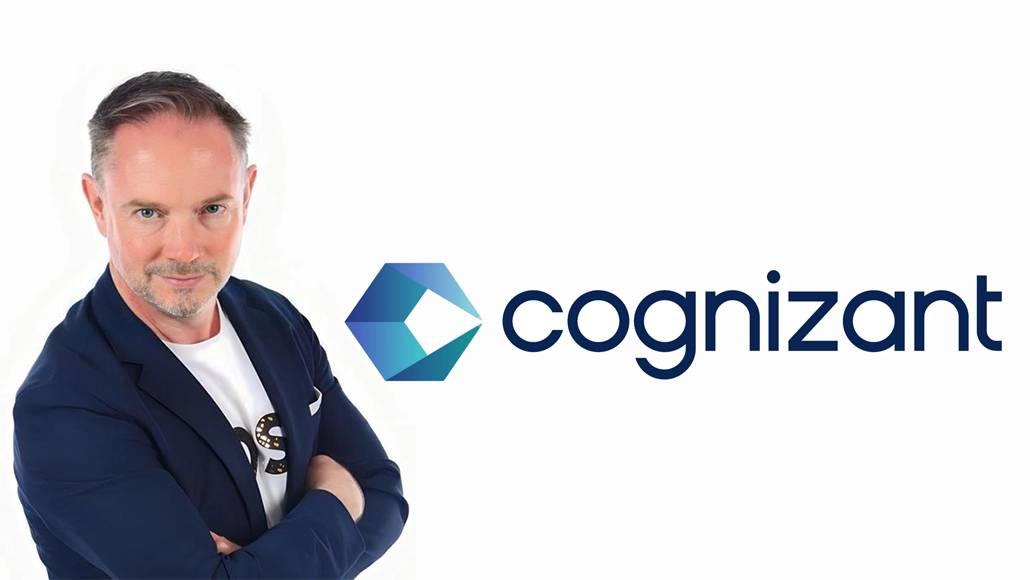
In this article, David Staunton, head of transformation at Cognizant Life Sciences Manufacturing Group, explores the emerging role of Agentic AI, the next evolution of AI technology that moves beyond insights, enabling autonomous action to address inefficiencies across the manufacturing lifecycle.
Challenges in life sciences manufacturing
Pharmaceutical companies navigate a complex and rapidly shifting landscape. A pressing challenge is the need to accelerate new product introductions (NPIs) to keep pace with breakthroughs in drug development. This urgency often collides with the limited capacity of existing good manufacturing practice (GMP) infrastructure, resulting in delays and inefficiencies.
Therapies themselves are becoming more sophisticated, often tailored to individual patients or small cohorts. This complexity demands flexible, precise manufacturing processes that can adapt to stringent and diverse global regulatory requirements. Human oversight alone struggles to manage the variables involved in producing modern treatments at scale. The surging demand for therapies in areas like cancer, metabolic conditions and immune disorders further pressures production capacity, requiring facilities to increase output without compromising quality. This is a considerable challenge given existing constraints on space, workforce and resources.
Laboratory operations also contribute to bottlenecks. Labs remain dependent on manual processes, which limit throughput and slow batch release times. These inefficiencies cascade into the wider manufacturing timeline, affecting time-to-market and product availability. Compounding these internal issues is external unpredictability. Geopolitical shifts and supply chain disruptions continue to threaten the timely delivery of essential raw materials. Even minor delays can cascade through operations, resulting in missed deadlines, higher costs and, ultimately, delays in getting vital medicines to patients.
Many of these pain points trace back to a single root cause: fragmented, inaccessible data. Key operational insights are often locked in siloed systems or outdated platforms, making it difficult to generate meaningful intelligence in a timely manner. Traditional automation and AI have helped, but they fall short of enabling the end-to-end agility the industry now requires.
What is Agentic AI?
Agentic AI represents a fundamental shift in how AI operates within an organization. Traditionally, AI systems in manufacturing environments have been used to analyze large datasets and generate recommendations for human operators. Such tools identify patterns, detect anomalies, and support data-driven decisions, but they still require people to interpret results and initiate action. As the complexity of life sciences manufacturing grows, this model, which relies on human interpretation and action, is becoming a limiting factor.
Unlike traditional models that simply offer recommendations, Agentic AI agents are designed to interpret data, make decisions, and act on them autonomously or semi-autonomously. These agents are capable of understanding goals, adapting to context, and coordinating tasks across systems in real time. The result is not just faster decision-making, but intelligent execution across the manufacturing and laboratory ecosystem.
Applications across the value chain
Agentic AI can be applied across multiple points of the manufacturing lifecycle to enhance productivity, agility and quality. For example:
- In laboratories: Predictive maintenance reduces equipment downtime by identifying issues before they occur. Dynamic scheduling improves overall throughput, and automated resource management further enhances lab productivity by adapting to real-time operational demands.
- In manufacturing: Agents analyze development data to streamline new product introductions. They reallocate equipment and staff resources to optimise production capacity, and make real-time adjustments to production schedules to meet demand fluctuations and reduce bottlenecks.
- In the supply chain: Agentic AI continuously monitors logistics and inventory data to identify potential disruptions. It can reroute deliveries, adjust procurement plans and proactively update production schedules to maintain continuity and minimize delays.
These capabilities allow life sciences companies to move from reactive to proactive operations, scaling performance intelligently and consistently.
 Implementation considerations
Despite its significant potential, implementing Agentic AI in life sciences manufacturing presents a range of technical and ethical challenges that must be addressed thoughtfully and proactively:
- Data integrity: Structured, accurate, and high-quality data is crucial; without it, Agentic AI will produce flawed outputs. Organizations must invest in robust data governance, cleansing, and standardization efforts to ensure datasets are trustworthy and fit for AI-driven decision-making.
- Interoperability: AI agents thrive in ecosystems where they can freely interact with different systems. This requires existing software, hardware, and cloud platforms to be compatible with Agentic AI frameworks, often through modular architectures, standardized data formats, and open application programming interfaces (APIs).
- Governance and oversight: In highly regulated industries like life sciences, governance is non-negotiable. Agentic AI systems must provide full traceability of actions with clear logging and audit trails for every decision taken by an agent. Transparent governance frameworks ensure AI-driven processes remain compliant with regulatory expectations, especially within GMP environments.
- Bias and performance: Like all AI systems, Agentic AI can inherit and amplify biases present in training data. Continuous monitoring, diverse datasets, and regular validation are essential to detect and correct skewed outcomes. Organizations must also evaluate agent performance in real time to ensure consistent, equitable, and accurate results.
- Security and compliance: Agentic AI systems often process sensitive data, including patient and production information. Cybersecurity and regulatory compliance must be built into their architecture from day one. This includes implementing encryption, identity verification, access controls, and compliance with relevant frameworks such as the General Data Protection Regulation (GDPR) and the European Union’s Artificial Intelligence Act.
Looking ahead
The complexity of pharmaceutical manufacturing is outpacing traditional tools. Agentic AI offers a path to more agile, autonomous, and intelligent operations, helping life sciences organisations meet rising global demand with speed and confidence.
This article has explored how Agentic AI offers a transformative solution to the mounting challenges facing life sciences manufacturers, from increasingly complex therapies and supply chain instability to the limitations of manual lab operations and siloed data. By enabling intelligent systems to analyze information, make decisions, and execute tasks autonomously, Agentic AI allows companies to streamline processes, improve resilience, and enhance efficiency across the value chain, from R&D laboratories to GMP manufacturing and supply chain operations. With its ability to act in real time and adapt to context, Agentic AI has the potential to unlock a new level of operational agility and scalability for the life sciences sector.
While implementation requires thoughtful planning, the rewards are clear. As Agentic AI matures, it will be a foundational technology in redefining how therapies are delivered, from lab bench to patient bedside.