

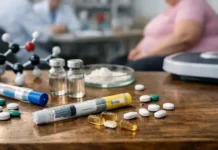


In the contemporary landscape of pharmaceutical development, researchers are increasingly confronted with a frustrating paradox: as our ability to identify potent new drug targets improves, the molecules designed to hit those targets are becoming increasingly difficult to deliver. A staggering majority of new chemical entities estimated at nearly 90% of the research pipeline are classified as low soluble or poorly soluble drugs. These molecules are essentially like “sand” in a biological context; they refuse to dissolve in the watery fluids of the human body, which is a prerequisite for being absorbed into the bloodstream. This challenge has placed lipid-based drug delivery at the forefront of formulation science, providing a biological bridge that allows these stubborn molecules to reach their intended site of action.
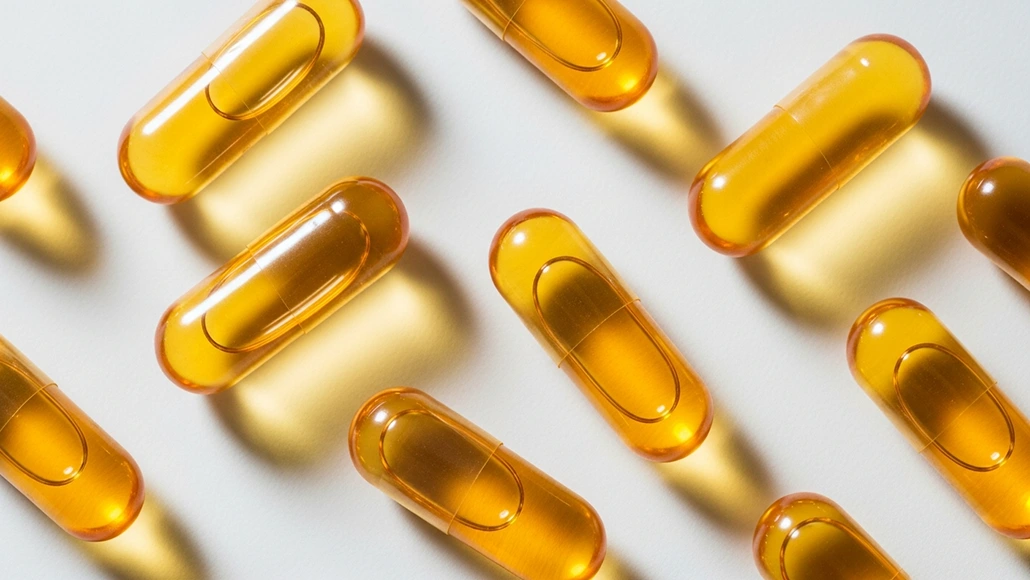
Lipid based drug delivery systems are not a new concept, but their sophistication has grown exponentially in recent years. At their core, these systems use pharmaceutical lipids oils, fats, and waxes to create a microenvironment where the drug can remain in a dissolved state. By mimicking the way the body processes dietary fats, these formulations “trick” the digestive system into absorbing the drug along with the lipids. This strategy is particularly effective because it addresses both the solubility and permeability barriers that often plague poorly soluble drugs, making it an indispensable tool for drug absorption enhancement.
The Science of Lipidic Solubilization
The primary goal of lipid based drug delivery is to keep the drug in a “molecularly dispersed” state. When a low soluble drug is taken in a standard tablet form, it often fails to dissolve fast enough to be absorbed before it passes through the small intestine. Lipidic formulations, however, present the drug already dissolved in a liquid or semi-solid lipid matrix. Upon reaching the stomach or the small intestine, these formulations interact with bile salts and pancreatic enzymes to form a sophisticated emulsion. This process effectively pre-digests the medication, ensuring that it is presented to the intestinal wall in a form that is ready for immediate uptake.
Formulation science has identified several distinct categories of lipid formulations, ranging from simple oil solutions to complex self-emulsifying drug delivery systems (SEDDS). SEDDS are particularly innovative because they are designed to form a fine oil-in-water emulsion spontaneously when they come into contact with the fluids of the gastrointestinal tract. The resulting droplets are often on the nanometer scale, providing a massive surface area for drug absorption enhancement. This “pre-solubilized” state eliminates the rate-limiting step of dissolution, which is the primary cause of poor bioavailability for many hydrophobic molecules.
Navigating the Lymphatic Path to the Bloodstream
One of the most unique advantages of lipid based drug delivery is its ability to utilize the lymphatic system for drug absorption. Traditional water-soluble drugs are absorbed into the portal vein and go directly to the liver, where they are often heavily metabolized and deactivated a process known as first-pass metabolism. However, long-chain pharmaceutical lipids are absorbed through the intestinal lymphatics. By hitching a ride on these lipids, poorly soluble drugs can bypass the liver and enter the general circulation through the thoracic duct.
This lymphatic bypass is a game-changer for high-potency molecules that would otherwise be destroyed by liver enzymes. It allows for a higher percentage of the drug to reach the systemic circulation in an active form, thereby reducing the dose required and minimizing the risk of liver-related toxicity. For low soluble molecules with high first-pass metabolism, lipid based drug delivery is often the only viable way to achieve therapeutic levels in the blood. This sophisticated use of the body’s own plumbing is a testament to the depth and ingenuity of modern formulation science.
Tailoring Lipids for Precise Drug Release
Not all lipids are created equal, and the choice of excipients is a critical factor in the success of lipid based drug delivery. Formulation science distinguishes between short-chain, medium-chain, and long-chain triglycerides, each of which has a different impact on how the drug is processed. Medium-chain triglycerides, for example, are absorbed more rapidly but do not promote lymphatic transport as effectively as long-chain triglycerides. The formulator must therefore carefully select the lipid profile to match the specific pharmacokinetic needs of the drug.
Furthermore, the addition of surfactants and co-solvents to the lipid matrix can further refine the release profile. These additives help to stabilize the emulsion and can even enhance the permeability of the intestinal wall by temporarily opening up the tight junctions between cells. This level of customization allows for the development of “designer” lipid formulations that are specifically optimized for a single molecule’s chemical personality. Whether the goal is rapid onset of action or a slow, sustained release, lipid based drug delivery provides a flexible and powerful platform for meeting those clinical objectives.
Challenges and Considerations in Lipid Formulation
Despite their many advantages, lipid based drug delivery systems are not without their challenges. One of the primary concerns is the chemical stability of the lipids themselves. Oils and fats are prone to oxidation and rancidity, which can degrade the drug and produce an unpleasant taste or odor. To combat this, formulation science employs antioxidants and specialized packaging techniques to ensure a long shelf life. Additionally, the physical stability of the emulsion can be a concern; if the drug “precipitates” out of the lipid matrix during storage, the bioavailability benefits will be lost.
Another consideration is the impact of food on drug absorption. Because lipid formulations mimic dietary fats, their performance can be significantly affected by whether the patient has recently eaten a fatty meal. This can lead to variability in how much drug is absorbed from one day to the next. Modern lipid based drug delivery systems are increasingly designed to be “food-independent,” meaning they are robust enough to provide consistent drug absorption enhancement regardless of the patient’s diet. This reliability is essential for maintaining a steady therapeutic effect and ensuring patient safety.
Future Horizons in Lipidic Nano-Systems
As we look to the future, the field of lipid based drug delivery is moving toward even more advanced nano-systems, such as solid lipid nanoparticles (SLNs) and nanostructured lipid carriers (NLCs). Unlike liquid emulsions, these systems use solid lipids at room temperature, providing better protection for the drug and a more controlled release profile. These “second-generation” lipid carriers are showing great promise for the delivery of delicate biologics and for the targeted treatment of specific diseases, such as cancer.
The integration of lipid based drug delivery with other technologies, such as 3D printing and digital health monitoring, is also on the horizon. Imagine a future where a personalized lipid-based capsule is printed on-demand, with a lipid profile and drug dosage precisely tailored to an individual patient’s genetic makeup and metabolic rate. This level of precision would represent the ultimate realization of formulation science, turning the challenge of low soluble drugs into an opportunity for highly effective, patient-centric care. The continued evolution of these lipidic platforms remains a cornerstone of pharmaceutical innovation, ensuring that the next generation of medicines is not just potent, but also profoundly absorbable.