















Close
CDMO Safety Testing 2026
Novotech

Phesi Big Data Analysis of Over 200,000 Hepatitis B and C Patients Identifies Typical Patient to Help Drive Forward Disease Elimination Goals

Note* - All images used are for editorial and illustrative purposes only and may not originate from the original news provider or associated company.

Subscribe

- Never miss a story with notifications

- Gain full access to our premium content

- Browse free from any location or device.

Media Packs

Expand Your Reach With Our Customized Solutions Empowering Your Campaigns To Maximize Your Reach & Drive Real Results!

โ€“ Access the Media Pack Now

โ€“ Book a Conference Call

โ€“ Leave Message for Us to Get Back

Related stories

QIAGEN and NVIDIA Join Forces to Advance AI-Driven Drug Discovery

QIAGEN's Digital Insights bioinformatics division is set to integrate...

Bioprocess Analytics Improving Biologics Manufacturing

The immense complexity of modern biopharmaceutical production is being navigated through the strategic and systematic application of bioprocess analytics improving biologics manufacturing. By leveraging real-time data streams and advanced monitoring tools, manufacturers can gain a granular, molecular-level understanding of cellular behavior and the surrounding environmental conditions within the bioreactor. This proactive, data-driven approach allows for immediate, automated adjustments that optimize therapeutic yield, ensure absolute product consistency, and significantly streamline the arduous path toward commercial-scale production in a highly regulated global environment.

Cell Therapy Quality Control Improving Clinical Outcomes

The long-term success of advanced medicinal products is fundamentally dependent on a rigorous and comprehensive approach to cell therapy quality control improving clinical outcomes. By implementing stringent, multi-stage testing for identity, purity, potency, and safety, manufacturers can guarantee that every individual dose delivered to a patient meets the highest possible standards of GMP compliance. This systematic and data-driven oversight minimizes clinical risks and enhances the reproducibility of complex treatments, ultimately leading to more predictable and successful therapeutic results in the rapidly evolving field of regenerative medicine.
- Advertisement -

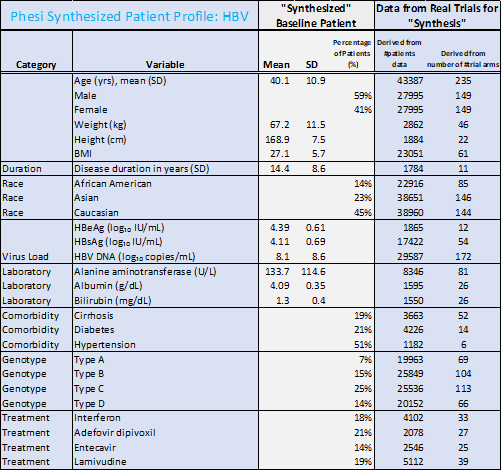
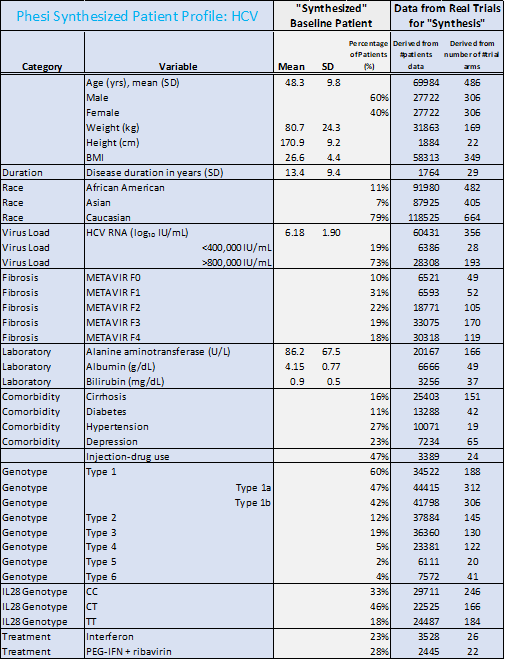
Phesi Inc., a data-driven provider of AI-powered clinical development analytics products and solutions, has analyzed data from 209,860 hepatitis B (HBV) and C (HCV) patients, from 940 trial arms/cohorts to build a picture of the โ€œtypicalโ€ patient and identify patient demographics. Hepatitis is an ongoing, major public health crisis and represents 14% of all deaths from infectious and parasitic diseases: 296 million people worldwide are living with HBV and 58 million worldwide are living with HCV. For the last 18 months, infectious disease research has been rightfully focused on COVID-19, which has shown how quickly trials can be conducted and reviewed. The industry now needs to apply these learnings to other pandemics and epidemics impacting patients around the world and utilize the extensive data available to solve these.

โ€œThe World Health Organization (WHO) has outlined its goal and roadmap to eliminate hepatitis by 2030. Nine years is not long and for us to achieve this globally it will be critical to apply accurate patient data,โ€ commented Dr Gen Li, Founder and President at Phesi. โ€œSponsors must also ensure the patient population of trials to research new therapies and potential cures is truly representative of the patients this disease impacts across the world.โ€

The racial profiles between data on HBV and HCV patients in the analysis differ significantly. There were 45% Caucasian and 23% Asian among HBV patients. HCV patients were predominantly Caucasian (79%). However, many more trials have been conducted in North America and Europe, rather than in the WHO regions of the Western Pacific, Africa, the Eastern Mediterranean and South-East Asia, where the burden of HBV is currently highest. This must change; in order for treatments to be developed efficiently and effectively, the clinical trials testing these new therapies must be accurately representative of the true patient population.

The patient profile also highlights further core differences between HBV and HCV patients, including (additional analysis is shown in table 1 and 2):

  • While hypertension and diabetes are the most common comorbidities, there is a significantly larger portion of HBV patients with diabetes (21%) and hypertension (51%), compared to HCV (11% and 27% respectively).
  • In HBV patients, the prevalence of hypertension may reflect the possible association with metabolic syndrome, particularly in older patients.
  • The average age of an HBV patient is significantly lower than the HCV patient (40 years compared to 48 years respectively).
  • Although there is no cure at the present time for HBV, most infected adults will fully recover. For HCV, there have been revolutionary advances in treatment with Direct-Acting Antivirals such as sofosbuvir; sofosbuvir-based regimens have shown cure rates of over 90%. This will drastically shift the patient demographics and reduce the length of the disease in this rapidly changing treatment environment.
โ€œWe need to act now to find further affordable cures and therapeutics for other infectious diseases like hepatitis that affect many millions. This can only be done through a data-led approach and by applying the lessons of COVID-19 R&D,โ€ commented Dr Paul Chew, Chief Medical Officer at Phesi. โ€œOur analysis illustrates a number of comorbidities associated with hepatitis and outlines the typical patient for each of these diseases. The industry needs to draw on this data and take advantage of it to make treatments available and accessible for all in need across the globe.โ€

World Pharma Today brings together the global pharmaceutical industry โ€” from R&D leaders and regulatory affairs professionals to manufacturers and distribution executives โ€” through trusted editorial, market intelligence, and digital engagement.

Our 2026 Media Pack offers integrated solutions to reach your audience:

  • Magazine & Digital Editions Showcase your brand within premium pharmaceutical industry coverage read by executives and decision - makers worldwide.
  • Industry Insights & Reports Align with data - driven analysis, trend reports, and regional roundups across the global pharmaceutical and life sciences value chain.
  • Brand Authority & Credibility Position your company as a thought leader through expert commentary, interviews, and special features.

Latest stories

Related stories

QIAGEN and NVIDIA Join Forces to Advance AI-Driven Drug Discovery

QIAGEN's Digital Insights bioinformatics division is set to integrate...

Bioprocess Analytics Improving Biologics Manufacturing

The immense complexity of modern biopharmaceutical production is being navigated through the strategic and systematic application of bioprocess analytics improving biologics manufacturing. By leveraging real-time data streams and advanced monitoring tools, manufacturers can gain a granular, molecular-level understanding of cellular behavior and the surrounding environmental conditions within the bioreactor. This proactive, data-driven approach allows for immediate, automated adjustments that optimize therapeutic yield, ensure absolute product consistency, and significantly streamline the arduous path toward commercial-scale production in a highly regulated global environment.

Cell Therapy Quality Control Improving Clinical Outcomes

The long-term success of advanced medicinal products is fundamentally dependent on a rigorous and comprehensive approach to cell therapy quality control improving clinical outcomes. By implementing stringent, multi-stage testing for identity, purity, potency, and safety, manufacturers can guarantee that every individual dose delivered to a patient meets the highest possible standards of GMP compliance. This systematic and data-driven oversight minimizes clinical risks and enhances the reproducibility of complex treatments, ultimately leading to more predictable and successful therapeutic results in the rapidly evolving field of regenerative medicine.

GMP Cytokines Advancing Cell Therapy Manufacturing

The rapid transition of cell-based treatments from the experimental laboratory stage to the standard of clinical care is being enabled by the availability of GMP cytokines advancing cell therapy manufacturing. These vital signaling molecules are absolutely essential for the successful expansion, specific differentiation, and functional activation of therapeutic cell populations, such as CAR T cells used in oncology. By strictly adhering to Good Manufacturing Practice standards, suppliers ensure that these critical raw materials possess the high purity, consistent potency, and clinical safety required for human applications, thereby reducing product variability and significantly enhancing the success rate of regenerative medicine.

Subscribe

- Never miss a story with notifications

- Gain full access to our premium content

- Browse free from any location or device.

Media Packs

Expand Your Reach With Our Customized Solutions Empowering Your Campaigns To Maximize Your Reach & Drive Real Results!

โ€“ Access theMedia Pack Now

โ€“ Book a Conference Call

โ€“ Leave Message for Us to Get Back

Translate ยป