














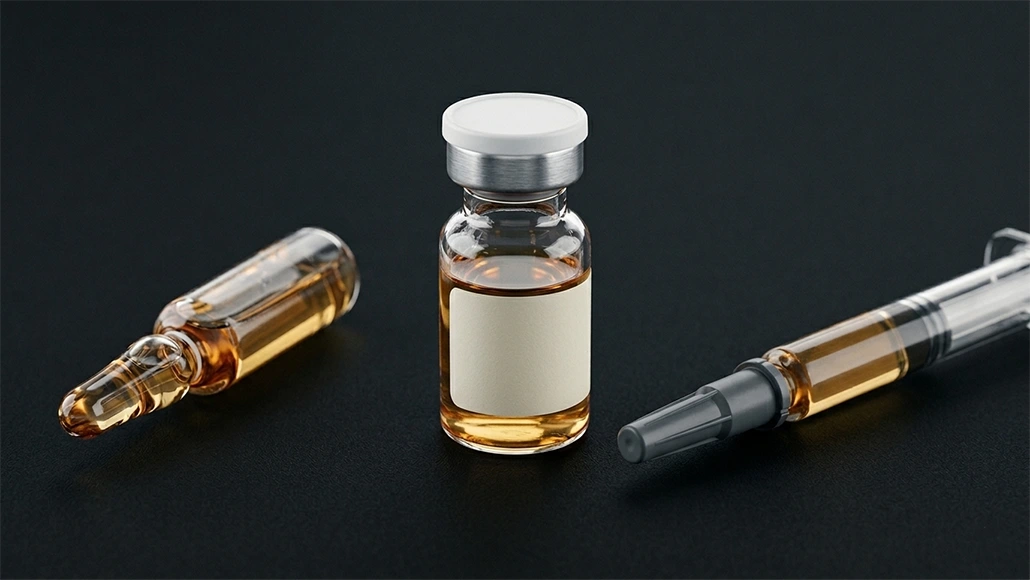
The pursuit of absolute sterility in the pharmaceutical industry has necessitated the evolution of sophisticated technologies capable of detecting even the most minute defects in primary packaging. Among these innovations, the marriage of high-speed automation and High Voltage Leak Detection (HVLD) stands as a transformative pillar for quality assurance. This synergy allows manufacturers to transcend the limitations of traditional manual inspection, offering a robust framework for identifying pinholes, cracks, and seal defects that could otherwise compromise the efficacy of life-saving medications. By prioritizing automated inspection HV leak detection, companies can ensure that every unit reaching the patient meets the highest standards of integrity.
The Evolution of Container Closure Integrity Testing
Historically, the pharmaceutical sector relied heavily on probabilistic methods for testing container closure integrity, such as the blue dye ingress test or vacuum decay. While these methods served their purpose for decades, they often involved destructive sampling and were subject to human error or environmental variables. The shift toward deterministic testing methods, as championed by regulatory bodies like the FDA and the European Medicines Agency, has highlighted the necessity for more reliable and repeatable processes. Automated inspection HV leak detection represents the pinnacle of this shift, providing a non-destructive alternative that can be applied to 100% of the production batch rather than a mere sample.
High Voltage Physics in Pharmaceutical Inspection
The core principle behind HVLD is both elegant and scientifically rigorous. In this process, the container typically a glass vial, syringe, or ampoule filled with a conductive liquid is placed between two electrodes. When a high voltage is applied across the container, the glass acts as an insulator. If the container is intact, the resistance remains high, and no current flows. However, if there is a breach, such as a microscopic crack or a pinhole, the high-voltage spark finds a path through the defect and the conductive product inside. This change in electrical resistance is instantly captured by the system, allowing for the rapid rejection of the compromised unit. This level of precision is what makes automated inspection HV leak detection an indispensable tool for sterile drug manufacturing.
Overcoming the Challenges of Manual Visual Inspection
While automated visual inspection has significantly improved the detection of particulate matter and cosmetic defects, it has limitations when it comes to identifying structural breaches that are not visible to the naked eye or standard camera systems. Small cracks under the crimp of a vial or pinholes in the base of a syringe are notoriously difficult to spot. By integrating automated inspection HV leak detection into the manufacturing line, these invisible risks are mitigated. The system does not tire, nor does it suffer from the subjective interpretations that can plague human inspectors. Instead, it provides a consistent, data-driven assessment of every container, ensuring that only those with perfect integrity proceed to the labeling and packaging stages.
Strategic Integration into Production Lines
Implementing automated inspection HV leak detection is not merely about adding a single piece of equipment; it is about redesigning the quality workflow to maximize efficiency and safety. Modern inspection machines often feature a modular design where HVLD stations are integrated directly alongside visual inspection modules. This allows for a comprehensive assessment of the product in a single pass. The containers are moved through the system at high speeds, often exceeding 600 units per minute, while the electrodes make precise contact to perform the leak test without slowing down the production flow.
Adapting to Diverse Packaging Formats
One of the significant advantages of modern HVLD technology is its versatility. Whether dealing with small-volume parenterals in ampoules or large-volume IV bags, the technology can be adapted to suit various geometries and materials. For instance, in the case of pre-filled syringes, the inspection must account for the presence of the plunger and the needle shield. Advanced automated inspection HV leak detection systems use specialized electrode configurations to ensure that every critical point of the syringe, from the cone to the flange, is adequately tested. This adaptability ensures that manufacturers can maintain a unified quality standard across different product lines.
Minimizing Product Exposure and Ozone Generation
A common concern with early iterations of high-voltage testing was the potential for the electrical discharge to generate ozone or affect the stability of sensitive biologics. However, the latest generation of “MicroCurrent” HVLD systems has addressed these issues effectively. These systems use much lower currents and highly controlled voltage pulses, significantly reducing the risk of product degradation. Furthermore, by optimizing the electrode design and the duration of the test, the generation of ozone is kept well within safe limits for both the environment and the operators. This refinement has made automated inspection HV leak detection a viable option even for the most sensitive and high-value biotech products.
Regulatory Compliance and Annex 1 Requirements
The regulatory landscape for sterile medicinal products is becoming increasingly stringent, particularly with the recent updates to EU GMP Annex 1. These regulations emphasize the need for a comprehensive contamination control strategy, which includes robust container closure integrity testing (CCIT). Automated inspection HV leak detection aligns perfectly with these requirements by providing a validated, deterministic method for ensuring sterility. The data generated by these systems provides a clear audit trail, demonstrating that every container has been tested and passed according to predefined parameters.
Data Integrity and Quality Assurance Documentation
In the era of Pharma 4.0, data is as valuable as the product itself. Automated inspection HV leak detection systems are equipped with advanced software that records every test result in real-time. This data can be integrated into the facility’s Manufacturing Execution System (MES), allowing for immediate analysis of defect trends. If a particular batch shows an unusual spike in leak detections, quality managers can quickly investigate the root cause whether it be an issue with the glass supplier or a malfunction in the capping machine. This proactive approach to quality assurance transforms the inspection station from a simple “pass/fail” gate into a powerful tool for continuous process improvement.
Validating the Sensitivity of the Leak Test
The effectiveness of any CCIT system is defined by its detection limit. For automated inspection HV leak detection, this limit is typically in the range of 1 to 5 microns, depending on the product and container type. Validation involves the use of “positive controls” containers with laser-drilled holes of known sizes to verify that the system can consistently detect leaks at the specified threshold. This rigorous validation process ensures that the manufacturer can defend their quality standards during regulatory inspections. By consistently identifying leaks that are far smaller than what a human could see, the system provides a level of patient protection that was previously unattainable.
The Future of Pharmaceutical Inspection Technology
As we look toward the future, the role of automated inspection HV leak detection will only continue to grow. We are already seeing the integration of artificial intelligence and machine learning to further refine the detection algorithms, reducing the number of false rejects while maintaining high sensitivity. Additionally, the development of more compact and energy-efficient HVLD modules will make it easier for smaller manufacturers to adopt this technology. The ultimate goal remains unchanged: to ensure that every dose of medication is delivered in a container that is perfectly sealed and free from contamination. Through the continued advancement of automated inspection HV leak detection, the pharmaceutical industry is making significant strides toward that reality, one container at a time.