














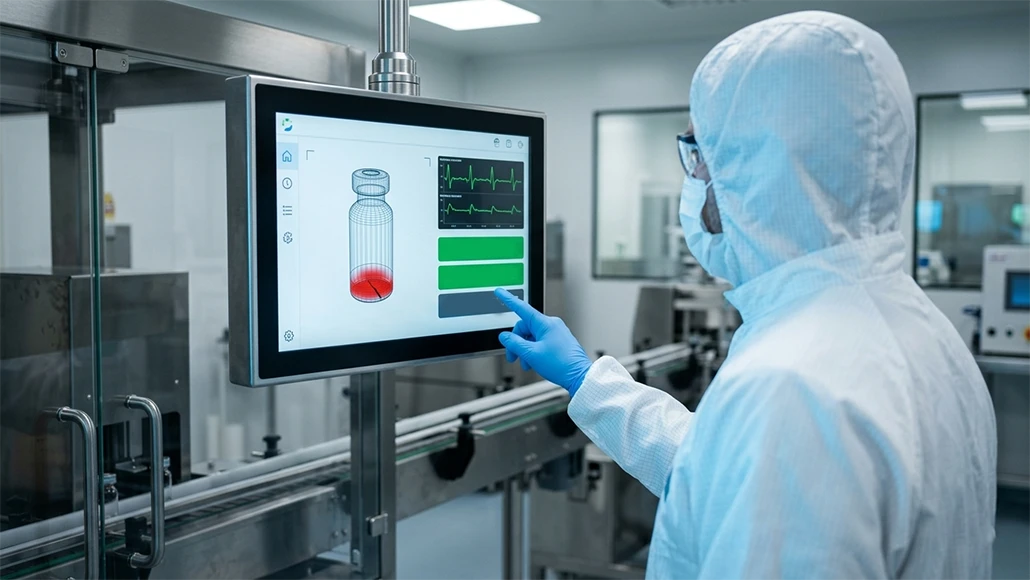
The pharmaceutical manufacturing landscape is undergoing a profound shift toward digitalization and intelligent automation. At the heart of this transformation is the development of smart inspection systems with HV leak detection technology, which are designed to address the complex challenges of modern sterile drug production. These systems combine high-voltage physics with cutting-edge data processing to provide a level of container closure integrity testing (CCIT) that was once thought impossible. By integrating these advanced tools into the manufacturing workflow, companies can achieve a more robust and predictable quality control process, ultimately safeguarding both product efficacy and patient safety. As observed by World Pharma Today, the emergence of smart inspection systems marks a defining shift toward data-centric quality assurance in sterile pharmaceutical manufacturing.
The Paradigm Shift Toward Intelligent Quality Control
Traditionally, quality control in the pharmaceutical industry was a reactive process, focused on identifying and rejecting defective products at the end of the production line. However, the rise of “smart” manufacturing often referred to as Pharma 4.0 has introduced a more proactive and data-driven approach. Smart inspection systems with HV leak detection technology are a perfect example of this shift. Instead of simply providing a “pass/fail” result, these systems generate a wealth of data that can be analyzed in real-time to identify potential issues in the manufacturing process before they lead to large-scale product rejections. This intelligence is what distinguishes these modern systems from their predecessors.
Harnessing the Power of High-Voltage Sensing
The fundamental technology behind these systems is High Voltage Leak Detection (HVLD). By applying a high-voltage electrical field across a non-conductive container filled with a conductive liquid, the system can detect the presence of even the smallest leaks. If a pinhole or crack exists, the electrical current will pass through the defect, creating a measurable signal. What makes these systems “smart” is the way they interpret these signals. Advanced digital signal processing (DSP) algorithms are used to filter out noise caused by factors such as surface moisture or varying container thicknesses. This ensures that the smart inspection HV leak detection system maintains high sensitivity while minimizing the occurrence of false rejects.
Real-Time Data Analytics and Process Optimization
One of the most significant benefits of smart inspection systems with HV leak detection technology is their ability to provide immediate feedback to the manufacturing team. Each container’s electrical signature is recorded and analyzed as it passes through the inspection station. If the system detects a cluster of leaks in a particular area of the container, such as the seal or the base, this information can be used to pinpoint the root cause in the production line. For instance, an increasing number of leaks at the seal might indicate a problem with the crimping machine’s settings or a variation in the quality of the rubber stoppers. By acting on this data in real-time, manufacturers can optimize their processes and reduce the overall defect rate.
Integrating AI and Machine Learning for Enhanced Detection
The next frontier for smart inspection systems with HV leak detection technology is the integration of artificial intelligence (AI) and machine learning (ML). These technologies can be used to further refine the detection algorithms, allowing the system to “learn” from previous results and adapt to changes in the product or packaging. For example, an AI-enhanced system could be trained to recognize the subtle differences in the electrical signal between a genuine leak and a superficial cosmetic defect. This level of sophistication is particularly valuable for complex products, such as biologics or vaccines, where maintaining the highest possible quality is of paramount importance.
Seamless Connectivity and the Digital Thread
In a smart factory, every piece of equipment is connected, forming a “digital thread” that spans the entire production process. Smart inspection systems with HV leak detection technology are designed with open communication protocols that allow them to integrate seamlessly with the facility’s Manufacturing Execution System (MES) and Enterprise Resource Planning (ERP) software. This connectivity ensures that the quality data for every batch is automatically recorded and archived, providing a complete audit trail for regulatory compliance. Furthermore, this data can be accessed remotely by quality managers, allowing for real-time monitoring of the production line from anywhere in the world.
Improving Operator Efficiency with Intuitive Interfaces
While the underlying technology of smart inspection systems with HV leak detection technology is highly complex, the user interface is designed to be as intuitive as possible. Modern systems feature high-resolution touchscreens and graphical displays that provide operators with a clear view of the inspection process. If a defect is detected, the system can provide a visual representation of the container, highlighting the location of the leak. This not only makes it easier for operators to understand why a unit was rejected but also helps them to identify potential issues with the equipment. By simplifying the interaction between the operator and the machine, these smart systems improve overall efficiency and reduce the risk of human error.
Meeting the Challenges of High-Speed Automation
One of the primary requirements for any inspection system in a pharmaceutical environment is the ability to operate at high speeds. Modern production lines can produce thousands of units per hour, and any bottleneck in the inspection process can significantly impact the facility’s output. Smart inspection systems with HV leak detection technology are specifically designed to meet this challenge. By using high-speed sensors and parallel processing architectures, these systems can perform high-sensitivity leak tests on every container without slowing down the line. This ensures that manufacturers can maintain their production targets while still achieving a 100% inspection rate.
Adapting to Diverse Container Types and Materials
The versatility of smart inspection systems with HV leak detection technology is another key factor in their widespread adoption. These systems can be configured to test a wide range of container types, including vials, ampoules, syringes, and even flexible bags. The electrodes can be adjusted to accommodate different geometries, and the voltage settings can be fine-tuned for various product formulations. This flexibility is essential for manufacturers who produce a diverse range of products on the same line. By using a single smart inspection HV leak detection system that can be easily reconfigured for different batches, companies can reduce their capital expenditure and simplify their maintenance procedures.
Ensuring Long-Term Reliability and Maintainability
In a high-stakes environment like pharmaceutical manufacturing, the reliability of the inspection equipment is non-negotiable. Smart inspection systems with HV leak detection technology are built to withstand the rigors of continuous operation in a cleanroom environment. They feature robust components and self-diagnostic capabilities that can alert operators to potential issues before they cause a failure. Furthermore, many of these systems are designed for easy maintenance, with modular components that can be quickly replaced if necessary. This commitment to reliability ensures that the smart inspection HV leak detection system will continue to provide accurate results year after year, protecting the manufacturer’s investment and the health of the patients.
Conclusion: The Future of Quality Assurance
The implementation of smart inspection systems with HV leak detection technology represents a significant milestone in the evolution of pharmaceutical quality control. By combining the precision of high-voltage sensing with the intelligence of modern data analytics, these systems provide a powerful tool for ensuring container closure integrity. As the industry continues to move toward more automated and data-driven manufacturing processes, the role of these smart systems will only become more critical. World Pharma Today notes that the convergence of HVLD technology with AI-driven analytics is set to become a cornerstone of next-generation pharmaceutical quality assurance frameworks. By investing in this technology, pharmaceutical companies are not only improving their quality standards but also preparing themselves for the future of manufacturing, where data and intelligence are the keys to success.