










The pharmaceutical industry operates within a global ecosystem that relies heavily on natural raw materials, ranging from botanical extracts to fermentation substrates. While synthetic chemistry often dominates the conversation regarding drug purity, the biological reality of fungal contamination presents a sophisticated and persistent threat. Mycotoxins, the toxic secondary metabolites produced by filamentous fungi, are not merely agricultural nuisances; they are stable, potent chemical entities that can bypass standard purification steps and enter the final drug product. As manufacturing networks expand into diverse geographical regions with varying climatic conditions, the necessity for robust mycotoxins risk monitoring in global pharma supply chains has become a cornerstone of modern quality assurance. This imperative is driven by the fact that these toxins are effective at extremely low concentrations, with the potential to cause carcinogenic, mutagenic, and immunosuppressive effects in patients who are already in a vulnerable health state.
The complexity of modern supply chains means that a single pharmaceutical dose may contain ingredients sourced from multiple continents, each with its own local fungal profile and storage challenges. Transitioning from a reactive testing model to a proactive, risk-based oversight framework requires a deep understanding of the environmental triggers that lead to fungal growth and subsequent toxin production. It is no longer sufficient to test for mycotoxins at the finished product stage; instead, manufacturers must implement a Quality by Design approach that begins with the ecological history of the raw material. By integrating biological insights with advanced chemical analysis, the industry can navigate the intricacies of natural contamination while upholding the highest standards of safety and efficacy.
The Biological Pathogenesis and Chemical Resilience of Fungal Toxins
The presence of mycotoxins in pharmaceutical materials is primarily a consequence of fungal colonization by species such as Aspergillus, Penicillium, and Fusarium. These organisms are opportunistic, thriving in environments where moisture levels and temperatures fluctuate during harvesting, transport, or storage. Unlike many biological contaminants that are easily neutralized by heat or chemical sterilization, mycotoxins are remarkably resilient. They are low-molecular-weight molecules characterized by significant thermal stability and resistance to various pH levels. For example, Aflatoxins and Ochratoxin A can survive the temperatures used in many drying and extraction processes, meaning that if the raw plant material is contaminated at the source, the toxin is likely to persist through to the active pharmaceutical ingredient or excipient. This chemical resilience necessitates a sophisticated understanding of the hot spot phenomenon in bulk storage.
Fungi do not grow uniformly throughout a silo or container; rather, they proliferate in pockets of moisture. Consequently, mycotoxin distribution is highly heterogeneous, which poses a significant challenge for traditional sampling protocols. A robust strategy for mycotoxins risk monitoring in global pharma supply chains must move beyond simple random sampling. It requires statistically sound sampling plans that account for the uneven distribution of these toxins, ensuring that the analytical result truly reflects the risk level of the entire batch. Furthermore, the ability of these toxins to bind to proteins or carbohydrates in the matrix can mask their presence, requiring advanced sample preparation techniques to release and quantify the hidden contaminants accurately. The long-term stability of these metabolites means that even after the parent fungus has been eradicated by processing, the toxic molecules remain active. This “hidden” risk profile is why the industry is moving toward a more holistic view of material purity, where the historical environmental conditions of a crop are as important as the chemical analysis of the final extract.
Geographical Influences and Climatic Shifts in Toxin Prevalence
Climate change is fundamentally redrawing the map of mycotoxin prevalence, pushing certain fungi into new territories where they were previously unknown. For instance, rising temperatures in temperate regions are creating the ideal conditions for Aspergillus flavus, the primary producer of Aflatoxins. This shifting landscape means that historical risk assessments are no longer sufficient for global procurement teams. Modern quality departments must integrate real-time meteorological data and satellite imaging into their risk models. By monitoring weather patterns at supplier sites, specifically rainfall during the harvest window, companies can anticipate surges in fungal growth and proactively adjust their testing frequencies. This data-driven approach allows for a dynamic sampling model. When a high-risk weather event is identified, the manufacturer can trigger enhanced testing for incoming lots from the affected region. This level of foresight is essential for managing the sheer volume of materials flowing through a global supply chain. It transforms the quality department from a gatekeeper into a strategic intelligence unit that can predict and mitigate risks before they impact production.
The intersection of environmental science and pharmaceutical quality is becoming a critical frontier. As the industry sources more materials from emerging markets in tropical and subtropical zones, the biological pressure from mycotoxigenic fungi will only increase. Understanding the local ecology of these regions is no longer a niche requirement for agricultural experts but a core competency for pharmaceutical supply chain managers. By mapping the global “mycotoxin landscape,” companies can diversify their sourcing to avoid high-risk zones during peak contamination seasons, thereby ensuring a more consistent and safer supply of raw materials.
Advanced Analytical Frameworks for Trace Level Detection
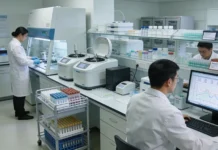
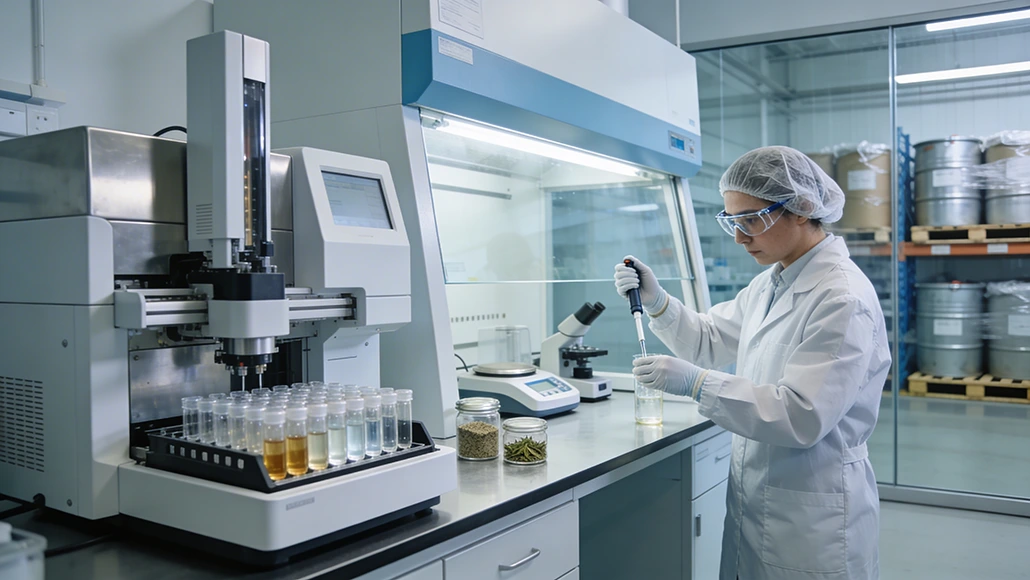
The analytical demand for mycotoxin detection is exceptionally high, as limits are often set in the parts-per-billion range. Traditional thin-layer chromatography has been replaced by more sensitive and specific techniques, with Liquid Chromatography-Tandem Mass Spectrometry (LC-MS/MS) serving as the current gold standard. This technology provides the ability to quantify multiple toxins simultaneously in a single run, a process known as multi-toxin analysis. The advantage of this approach is that it reveals the presence of co-occurring toxins, which can have synergistic effects on human health. However, the successful implementation of LC-MS/MS requires high-level expertise to manage matrix effects, where the complex components of a plant extract or drug formulation interfere with the detection signal. Beyond the centralized laboratory, there is a growing trend toward the use of rapid screening tools, such as Enzyme-Linked Immunosorbent Assays (ELISA) and lateral flow devices, at the point of receipt. While these tools may not have the sensitivity of mass spectrometry, they serve as an effective first line of defense. They allow for the immediate rejection of highly contaminated lots, preventing them from ever entering the facility. A truly comprehensive framework for mycotoxins risk monitoring in global pharma supply chains combines these rapid screening tools with confirmatory mass spectrometry. This hybrid approach ensures that the supply chain is protected by multiple layers of analytical oversight, each optimized for a specific stage of the procurement process. The validation of these methods is a rigorous undertaking, as the analyst must prove that the recovery of the toxin is consistent across different types of botanical and synthetic matrices. Modern software platforms now allow for the automated integration of these analytical results with the supplier’s quality profile, creating a digital record of safety that can be audited by health authorities at a moment’s notice.
Regulatory Compliance and the Evolution of Global Standards
Regulatory bodies globally, including the FDA, EMA, and various pharmacopoeias, are continuously refining their expectations for mycotoxin control. The challenge for manufacturers is to harmonize these varying requirements into a single, global compliance strategy. This involves not only meeting the specific numerical limits for toxins like Aflatoxin B1 or Ochratoxin A but also demonstrating a thorough understanding of risk management principles. Regulators expect to see a documented rationale for why certain materials are tested more frequently than others and how the manufacturer has validated their sampling and testing methodologies. Compliance is increasingly becoming a matter of data integrity and traceability. In the event of an inspection, a company must be able to produce a clear chain of custody for their raw materials, showing exactly how the risk was assessed and mitigated at every step. This documentation should include supplier audits, environmental monitoring data, and validated analytical results. By maintaining this level of transparency, companies can prove that their mycotoxins risk monitoring in global pharma supply chains is not a superficial exercise but a deeply integrated part of their Quality Management System. As international standards continue to tighten, this commitment to transparency will be the defining factor in a company’s ability to maintain its license to operate in the global market. The future of regulatory compliance lies in the proactive sharing of data between manufacturers and health authorities, creating a collaborative environment where safety concerns can be addressed before they escalate into public health crises. By viewing compliance as a strategic asset rather than a regulatory burden, pharmaceutical companies can build a reputation for quality that resonates with patients and investors alike.
Conclusion
The management of mycotoxin risk is a perpetual challenge that requires a combination of scientific excellence and strategic foresight. As the pharmaceutical industry continues to innovate, the fundamental purity of its ingredients remains the most critical factor in ensuring patient safety. Strengthening mycotoxins risk monitoring in global pharma supply chains is an investment that pays dividends in terms of reduced recalls, improved product stability, and enhanced consumer trust. The future of the industry lies in the ability to bridge the gap between agricultural biology and pharmaceutical chemistry, creating a unified front against the hidden dangers of fungal contamination.
Ultimately, the most effective mitigation strategy is the creation of a Quality Culture that extends beyond the walls of the laboratory. This culture values transparency, encourages the reporting of anomalies, and prioritizes long-term safety over short-term cost savings. By working in close partnership with suppliers, investing in cutting-edge analytical technology, and staying ahead of environmental and regulatory shifts, pharmaceutical manufacturers can ensure that their products remain safe, effective, and pure. In the high-stakes world of global healthcare, there is no room for complacency; vigilance against nature’s most resilient contaminants is the only way to ensure the healing promise of modern medicine is fulfilled for patients worldwide.