











The manufacturing of sterile pharmaceutical products requires an absolute commitment to quality at every stage of the process. From the initial formulation of the drug to the final packaging, every step must be meticulously controlled to prevent contamination. One of the most critical aspects of this control is the inspection of the primary container, which must be perfectly sealed to maintain the product’s sterility throughout its shelf life. To achieve this goal, manufacturers are increasingly turning to integrated inspection systems for leak detection in pharma, which combine high-speed visual inspection with advanced high-voltage leak detection (HVLD) technology into a single, automated platform. As highlighted by World Pharma Today, this convergence of technologies is redefining how manufacturers approach sterility assurance and quality control in modern pharmaceutical production.
The Paradigm Shift Toward Multi-Modal Inspection
Historically, the inspection of pharmaceutical containers was a fragmented process, with visual defects and container integrity often being checked at different stages or even in different facilities. Visual inspection was typically focused on identifying particulate matter and cosmetic flaws, such as chips in the glass or misaligned labels, while container closure integrity testing (CCIT) was often performed offline on a small sample of the batch. However, the rise of integrated inspection systems for leak detection in pharma has transformed this approach. By combining multiple inspection modalities into a single machine, manufacturers can now perform a comprehensive assessment of every container in real-time, providing a much higher level of assurance and reducing the risk of human error.
Synergizing Visual Inspection and HVLD Technology
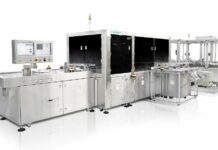
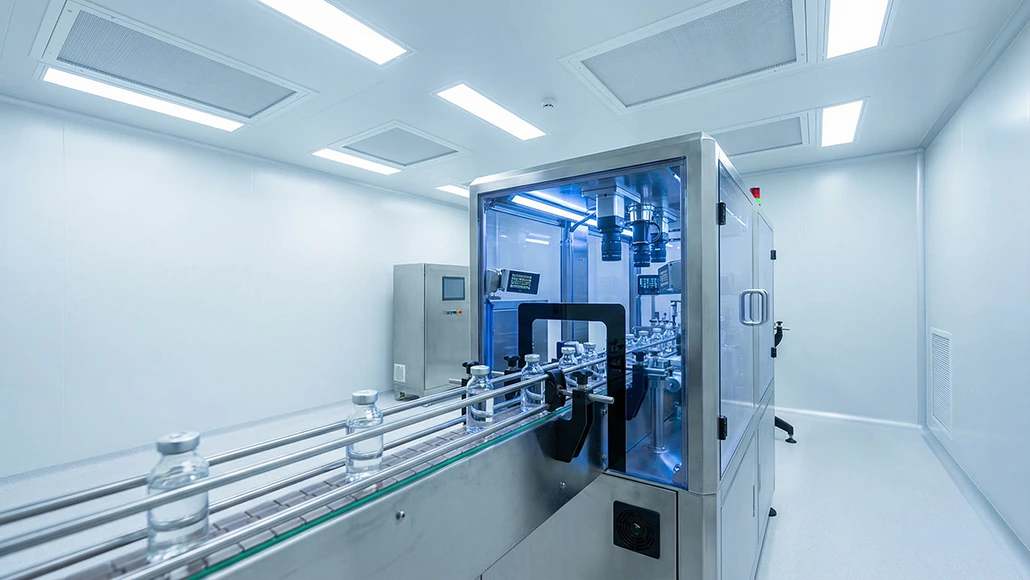
The core of an integrated system is the synergy between high-resolution cameras and high-voltage sensors. As containers move through the machine at high speeds, they are first subjected to a series of visual checks. Advanced imaging systems capture multiple views of the container, using sophisticated algorithms to identify even the smallest particulates or cosmetic defects. Immediately following the visual check, the container enters the HVLD module, where it is exposed to a high-voltage electrical field. If the container has a microscopic breach, such as a pinhole or a crack, the electrical current will pass through the defect to the conductive product inside, triggering a rejection signal. This combined approach ensures that both visual and structural defects are identified with the same high degree of accuracy.
Minimizing Product Handling and Contamination Risks
One of the most significant advantages of integrated inspection systems for leak detection in pharma is the reduction in product handling. Every time a container is moved from one piece of equipment to another, there is a risk of secondary damage or contamination. By performing both visual inspection and leak detection in a single machine, the number of transfer points is minimized, which in turn reduces the risk of breakage or the introduction of new defects. This is particularly important for high-value biologics and sensitive products that require a highly controlled environment. Furthermore, the integrated approach allows for a more compact inspection area, which can simplify the design of cleanroom facilities and reduce the overall footprint of the production line.
Enhancing Manufacturing Efficiency and Throughput
In the high-stakes world of pharmaceutical production, efficiency and throughput are critical factors in the success of a manufacturing facility. Any bottleneck in the inspection process can significantly impact the facility’s output and increase the cost of production. Integrated inspection systems for leak detection in pharma are specifically designed to meet this challenge by providing a high-speed, automated solution that can keep pace with the fastest production lines. By combining multiple tests into a single pass, these systems reduce the total time required for inspection and increase the overall equipment effectiveness (OEE) of the facility.
Streamlining Data Management and Audit Trails
The integration of multiple inspection technologies into a single platform also simplifies the task of data management. In an integrated system, all of the quality data for a particular batch is collected and stored in a single database. This includes the results of both the visual inspection and the leak detection, as well as the specific electrical signature of each container. Having all of this information in one place makes it much easier to generate comprehensive quality reports and audit trails for regulatory compliance. Furthermore, this integrated data can be analyzed to identify trends and potential issues in the manufacturing process, allowing for continuous improvement and a more proactive approach to quality assurance.
Reducing False Rejects and Optimizing Yield
One of the persistent challenges in pharmaceutical inspection is the management of false rejects good units that are erroneously identified as defective. High rates of false rejects can lead to significant financial losses, especially when dealing with expensive biologics. Integrated inspection systems for leak detection in pharma address this issue by using advanced signal processing and image analysis algorithms to distinguish between genuine defects and superficial flaws. By combining the data from both the visual and high-voltage sensors, the system can make a more informed decision about whether to reject a container, which helps to optimize the overall yield of the production batch.
Navigating Regulatory Compliance with Confidence
The global regulatory environment for sterile drug manufacturing is becoming increasingly focused on the prevention of contamination. The updated EU GMP Annex 1 and the USP <1207> guidelines both emphasize the importance of using validated, deterministic methods for CCIT. Integrated inspection systems for leak detection in pharma provide a clear path to compliance by offering a science-based, data-driven solution for ensuring container integrity. By implementing these advanced systems, manufacturers are not only enhancing their quality control but also demonstrating their commitment to the highest standards of patient safety. This is a powerful advantage during regulatory audits and can help to accelerate the approval of new products.
Adapting to Diverse Packaging Formats and Materials
The versatility of integrated inspection systems for leak detection in pharma is another key factor in their widespread adoption. These systems can be easily reconfigured to test a wide range of container types, including vials, ampoules, syringes, and cartridges. The sensors and cameras can be adjusted to accommodate different geometries, and the software can be fine-tuned for various product formulations. This flexibility is essential for manufacturers who produce multiple products on the same line. By using a single, integrated platform that can be quickly adapted for different batches, companies can reduce their capital expenditure and simplify their maintenance and validation procedures.
Ensuring Long-Term Reliability and Maintainability
In a high-intensity manufacturing environment, the reliability of the inspection equipment is non-negotiable. Integrated inspection systems for leak detection in pharma are built to withstand the rigors of continuous operation in a cleanroom. They feature robust components, such as long-life LED lighting and high-speed sensors, and self-diagnostic capabilities that can alert operators to potential issues before they cause a failure. Furthermore, many of these systems are designed for easy maintenance, with modular components that can be quickly replaced. This commitment to reliability ensures that the integrated inspection system will continue to provide accurate results year after year, protecting the manufacturer’s investment and the health of the patients.
Conclusion: The Strategic Value of Integrated Quality Control
The development of integrated inspection systems for leak detection in pharma represents a significant milestone in the evolution of pharmaceutical quality control. By combining visual inspection and HVLD technology into a single, automated platform, these systems provide a powerful tool for ensuring the sterility and safety of injectable medications. As the industry continues to move toward more complex products and more stringent regulations, the value of these integrated systems will only continue to increase. Ultimately, the goal is to provide patients with the highest possible level of safety and efficacy, and integrated inspection systems are the foundation upon which that goal is built. According to World Pharma Today, the shift toward integrated, intelligent inspection platforms is not just a technological upgrade but a strategic imperative for future-ready pharmaceutical manufacturing. By investing in this technology, pharmaceutical companies are not only improving their quality standards but also preparing themselves for the future of manufacturing, where integration and intelligence are the keys to success.