












The pharmaceutical manufacturing landscape is currently undergoing a foundational shift, moving away from traditional, siloed operations toward a more integrated, data-driven paradigm known as Quality 4.0. At the heart of this evolution lies the critical necessity for Advancing Quality 4.0 Through Centralized Drug Knowledge. For decades, drug manufacturing has relied on fragmented systems where data generated in the laboratory, the production floor, and the quality control department remained isolated. This fragmentation often led to delayed decision-making, increased risk of human error, and a reactive approach to quality management. However, as the industry embraces digital manufacturing pharma, the ability to aggregate, contextualize, and utilize drug knowledge from a single, centralized source has emerged as the most significant competitive advantage. This centralized approach does not merely involve storing data in a single location; rather, it represents a sophisticated pharmaceutical data integration strategy that allows for a holistic view of the entire product lifecycle, from initial formulation to commercial distribution.
The transition to Quality 4.0 systems requires a departure from the manual oversight of the past, favoring instead a model where intelligence is embedded into the manufacturing process itself. When drug knowledge is centralized, it becomes the “single source of truth” that informs every aspect of production. This is particularly vital in an era where drug products are becoming increasingly complex, such as biologics and personalized medicines, which require much tighter control over manufacturing variables. By leveraging centralized knowledge, manufacturers can ensure that every stakeholder, from process engineers to regulatory affairs specialists. has access to the same high-fidelity information. This synchronization is the bedrock of modern GMP automation, enabling machines and human operators to work in concert with a shared understanding of the critical process parameters and quality attributes that define a safe and effective therapeutic.
The Architecture of Manufacturing Intelligence Systems
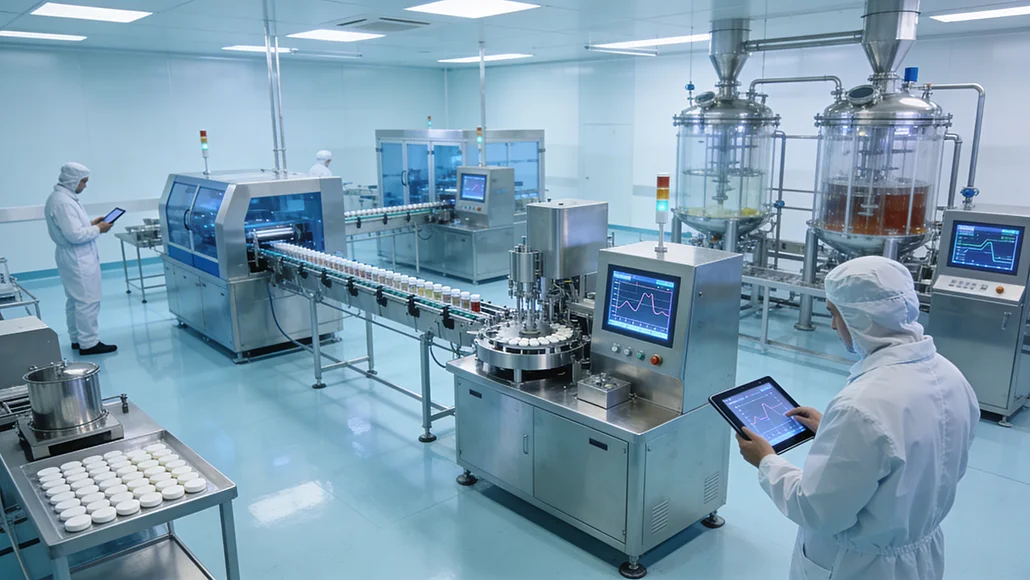
To truly realize the benefits of a digitized facility, one must look closely at the implementation of manufacturing intelligence systems. These systems act as the nervous system of the pharmaceutical plant, collecting data from various sensors, equipment, and enterprise resource planning software to provide a real-time snapshot of the manufacturing environment. When these systems are fueled by centralized drug knowledge, they transcend simple data collection; they become predictive engines. In a traditional setup, a deviation in a batch might not be discovered until several days later during a retrospective review of paper logs or disconnected digital records. Conversely, within a Quality 4.0 framework, real-time deviation management becomes possible because the system compares live production data against the established centralized knowledge base of what a “perfect batch” looks like. If a temperature fluctuation occurs or a mixing speed varies outside of the validated range, the system can trigger an immediate alert or, in more advanced cases, automatically adjust the process to bring it back into compliance.
The shift toward such intelligent systems is not merely a technological upgrade but a strategic realignment of how quality is perceived. Risk-based quality control becomes the standard operating procedure rather than a theoretical goal. Instead of testing for quality at the end of the line, a practice that is both expensive and inherently risky, manufacturers use centralized knowledge to build quality into the process. This “Quality by Design” approach is significantly enhanced when all historical data, scientific research, and regulatory requirements are integrated into a single accessible framework. It allows for the identification of potential points of failure before they manifest as physical defects. Consequently, the reliance on intensive manual inspections is reduced, and the focus shifts to monitoring the health of the process itself, which is a far more robust method for ensuring patient safety and product efficacy.
Implementing Smart Manufacturing Compliance
The regulatory burden on pharmaceutical companies is immense, and maintaining smart manufacturing compliance is one of the primary drivers for centralizing drug knowledge. Regulatory bodies like the FDA and EMA are increasingly advocating for the use of advanced technologies to ensure data integrity and process transparency. Centralized knowledge bases facilitate this by providing a clear, immutable audit trail of every decision made during the manufacturing process. When pharmaceutical data integration is executed correctly, every change to a process parameter or a deviation response is logged in a way that is easily retrievable during an inspection. This level of transparency reduces the “compliance anxiety” that often plagues large-scale manufacturing operations. Instead of scrambling to pull together disparate reports from various departments, quality managers can present a unified narrative of compliance backed by real-time data.
Furthermore, the integration of GMP automation into this centralized framework ensures that compliance is not a periodic check but a continuous state. Automated systems can be programmed with the specific constraints and requirements found in the centralized drug knowledge repository. This means that the equipment itself becomes an enforcer of Good Manufacturing Practices. For instance, an automated filling machine can be programmed to stop immediately if it detects a drift in vial weight that exceeds the limits defined in the master batch record stored within the centralized system. This immediate feedback loop is essential for maintaining a resilient manufacturing control environment, especially when dealing with the high-throughput requirements of global drug supply chains. By reducing the “human factor” in routine compliance checks, companies can reallocate their human capital to more complex tasks, such as process optimization and innovation.
Real-Time Deviation Management and Operational Resilience
One of the most profound impacts of Advancing Quality 4.0 Through Centralized Drug Knowledge is the ability to achieve unprecedented levels of operational resilience. In a globalized market, disruptions, whether they be raw material shortages, equipment failures, or sudden changes in demand, are inevitable. A centralized knowledge base provides the agility needed to respond to these disruptions without compromising quality. For example, if a primary supplier of an excipient is suddenly unavailable, a manufacturer with a robust pharmaceutical data integration system can quickly query their centralized database to identify approved alternatives and understand how those alternatives might interact with the existing formulation. This prevents the long delays associated with manual data gathering and cross-departmental verification.
In the context of real-time deviation management, centralization allows for a more nuanced understanding of “gray area” events. Not every deviation leads to a rejected batch, but in a decentralized system, the lack of context often leads to overly conservative decisions that result in unnecessary waste. With centralized knowledge, quality teams can perform a rapid, data-driven impact assessment. They can look at historical data of similar deviations, evaluate the cumulative effect of the current deviation on the final product’s critical quality attributes, and make a risk-based decision on whether to proceed, rework, or reject. This level of sophistication is only possible when the data is not just present, but interconnected and contextualized. It transforms the quality department from a “bottleneck” into a strategic partner that enables faster release times and higher yields.
The Synergy of Digital Manufacturing Pharma and Risk-Based Control
As we look toward the future, the synergy between digital manufacturing pharma and risk-based quality control will only deepen. The goal is to reach a state of “autonomic manufacturing,” where the system is capable of self-optimization and self-healing based on the centralized drug knowledge it possesses. This involves the use of digital twins, virtual representations of the physical manufacturing process, that are constantly updated with real-time data. These digital twins allow engineers to simulate “what-if” scenarios, testing the impact of process changes in a virtual environment before implementing them on the production floor. This reduces the risk associated with process improvements and accelerates the journey toward operational excellence.
The move toward Quality 4.0 systems is also a move toward greater sustainability. By optimizing processes through centralized knowledge, manufacturers can significantly reduce energy consumption, minimize waste, and ensure a more efficient use of raw materials. This is increasingly important as environmental, social, and governance (ESG) criteria become a priority for investors and consumers alike. A plant that operates with manufacturing intelligence systems is, by definition, a more efficient plant. It produces fewer rejects, requires fewer manual interventions, and has a smaller environmental footprint. In this sense, centralizing drug knowledge is not just a technical or regulatory requirement; it is a fundamental component of a sustainable and forward-looking business strategy.
Ultimately, the journey of Advancing Quality 4.0 Through Centralized Drug Knowledge is about empowering the workforce with better information. It is a common misconception that automation and digitization replace the need for human expertise. In reality, these technologies augment human capabilities. By stripping away the mundane tasks of data collection and manual verification, centralized systems allow scientists and engineers to focus on the “why” behind the data. They provide the insights necessary to drive continuous innovation, ensuring that the pharmaceutical industry can meet the challenges of the 21st century. Whether it is responding to a global pandemic or developing a cure for a rare genetic disease, the ability to rapidly translate drug knowledge into high-quality, manufactured products is the ultimate goal. Through the integration of smart manufacturing compliance and real-time intelligence, the industry is well on its way to achieving a future where quality is not just a department, but a fundamental characteristic of every molecule produced.
The realization of this vision requires a cultural shift as much as a technological one. Organizations must be willing to break down the internal silos that have existed for decades. They must invest in the training and development of their people to ensure they can navigate a digital-first environment. And most importantly, they must recognize that data is a strategic asset. When drug knowledge is centralized, it becomes the fuel that drives the entire Quality 4.0 engine. It is the thread that connects the initial discovery in the lab to the patient receiving the medication. By prioritizing pharmaceutical data integration and embracing the power of centralized knowledge, the industry can ensure a safer, more efficient, and more resilient future for drug manufacturing. This is the essence of Quality 4.0, a commitment to excellence through the intelligent application of knowledge.