










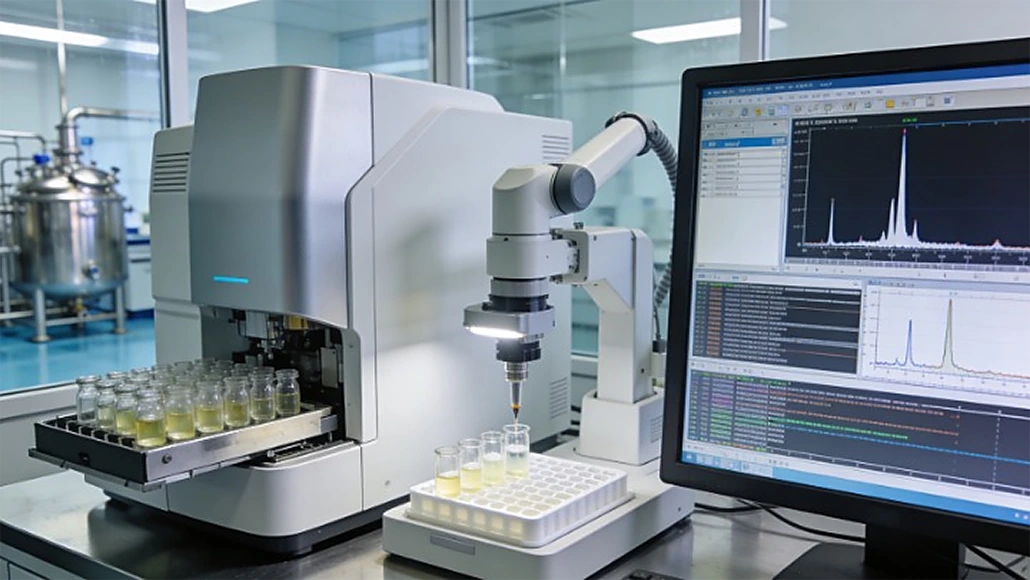
In the modern pharmaceutical landscape, the definition of purity has become an increasingly moving target. As our understanding of molecular toxicology deepens, the limits of acceptable impurities have plummeted, necessitating a parallel leap in the tools used to find them. The implementation of advanced analytical technologies in pharma impurity testing is no longer a luxury reserved for the final stages of drug development; it is a fundamental requirement that permeates the entire lifecycle, from early-stage synthesis to post-market surveillance. The transition from traditional, manual testing to high-sensitivity, automated, and digitally integrated systems represents a paradigm shift in how the industry ensures patient safety and maintains the highest standards of product quality. This evolution is driven by the realization that even trace amounts of certain impurities, such as genotoxic compounds or elemental residues, can have profound impacts on human health. As drug molecules themselves become more complex, with the rise of biologics and cell therapies, the analytical challenge has grown exponentially. The laboratory of the future must be equipped to handle these complexities with a level of precision and speed that was unimaginable just a decade ago.
The Revolution of High-Resolution Mass Spectrometry
For decades, UV-based detection was the workhorse of the pharmaceutical laboratory. While reliable, it often lacked the sensitivity to detect trace-level impurities that are harmful even at parts-per-billion levels. The integration of High-Resolution Mass Spectrometry has fundamentally changed this equation. These technologies allow scientists to not only see that an impurity is present but to determine its exact molecular weight and structural fragments with incredible precision. This level of detail is essential for the identification of “unknown” impurities that can arise from unexpected chemical interactions or environmental factors during the manufacturing process. The power of HRMS lies in its ability to provide “accurate mass” measurements, which can be used to determine the elemental composition of an unknown peak. This capability has revolutionized the field of impurity profiling. Modern Orbitrap and Time-of-Flight systems can now detect impurities in the presence of overwhelming concentrations of the active ingredient, a task that once required laborious sample preparation and concentration steps. Furthermore, the development of sophisticated software algorithms has enabled the automated processing of this complex data, allowing analysts to quickly identify potential concerns and focus their efforts on the most critical impurities.
Automation and the Reduction of Human Error
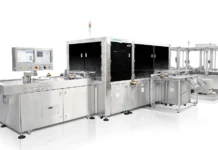
Analytical excellence is not just about the sensitivity of the detector; it is about the reproducibility of the entire process. Human error in sample preparation remains one of the leading causes of laboratory deviations in the pharmaceutical industry. The adoption of robotic liquid handling systems and automated sample preparation workflows is a key trend within advanced analytical technologies in pharma impurity testing. These systems can perform complex dilutions, extractions, and derivatization steps with a level of precision that exceeds manual techniques. Furthermore, automation allows laboratories to operate 24/7, accelerating the release of critical medications while ensuring that every test is performed under identical, controlled conditions. This shift toward automation is not just about efficiency; it is a critical component of data integrity. By removing the “human factor” from the most repetitive and error-prone parts of the analytical workflow, companies can ensure that their results are robust and defensible. The integration of automated systems with Laboratory Information Management Systems also allows for a seamless audit trail, ensuring that every result is linked back to the specific instrument, user, and sample. This level of transparency is essential for maintaining compliance in a highly regulated environment.
The Role of Process Analytical Technology and Real-Time Monitoring
One of the most significant shifts in impurity management is the move from “testing in quality” at the end of the line to “building in quality” during the process. Process Analytical Technology involves the use of real-time sensors directly within the manufacturing equipment. These sensors can monitor the levels of precursors or intermediates as they react, providing immediate feedback that allows for process adjustments before a batch deviate from its quality specifications. This proactive approach reduces waste and ensures that impurities are managed at the source, representing a more sophisticated implementation of advanced analytical technologies in pharma impurity testing. For example, the use of Near-Infrared or Raman spectroscopy can provide a real-time window into the chemical transformation occurring inside a reactor, allowing engineers to optimize reaction times and minimize the formation of degradation products. This “real-time release” capability is the holy grail of pharmaceutical manufacturing, as it reduces the need for extensive end-product testing and accelerates the time it takes for medicine to reach the patient. However, the implementation of PAT requires a deep understanding of the process and a significant investment in both hardware and data analytics. As the industry moves toward continuous manufacturing, the role of these real-time sensors will only become more critical, serving as the “eyes and ears” of the production line.
Future Horizons: Artificial Intelligence and Predictive Modeling
Looking forward, the integration of Artificial Intelligence and Machine Learning is set to redefine the analytical landscape once again. AI algorithms can be trained to recognize patterns in complex chromatograms, identifying subtle shifts that might indicate a budding stability issue or a change in raw material quality. Predictive modeling can also be used to anticipate the formation of degradation products under various storage conditions, allowing manufacturers to optimize formulations before long-term stability studies even begin. These intelligent systems represent the next frontier of advanced analytical technologies in pharma impurity testing, moving the industry from a reactive state of detection to a proactive state of chemical intelligence. The potential of AI to analyze vast datasets and identify correlations that would be invisible to the human eye is immense. For instance, AI could be used to link subtle changes in the impurity profile of a raw material to the final performance of the drug product, providing a powerful tool for supplier qualification and process control. As we enter the era of “Industry 4.0,” the pharmaceutical laboratory will increasingly become a data-driven environment where analytical precision is augmented by digital intelligence, ensuring that patient safety is protected by the most advanced tools available.
Conclusion
The journey toward safer medicines is paved with increasingly precise analytical data. The adoption of advanced analytical technologies in pharma impurity testing is a testament to the industry’s commitment to scientific excellence and patient welfare. While the complexity of drug molecules and the stringency of regulations will continue to grow, the tools at our disposal are evolving at an even faster pace. By embracing the power of high-resolution detection, automation, and digital integration, the pharmaceutical sector is not just meeting today’s quality standards; it is defining the standards of tomorrow. The ultimate success of any analytical program is measured not by the complexity of the instruments but by the safety and efficacy of the products it protects. In this context, the analytical chemist serves as a critical guardian of public health, using their expertise to ensure that every molecule of medicine delivered to a patient is of the highest possible purity. As we look to the future, the continued innovation in analytical science will remain the cornerstone of the pharmaceutical industry, providing the foundation for the next generation of life-saving therapies.