













Close
Smartlab Europe
Inizio Ignite

Roche Launches Dual Antigen and Antibody Hepatitis C Diagnostic Test

Note* - All images used are for editorial and illustrative purposes only and may not originate from the original news provider or associated company.

Subscribe

- Never miss a story with notifications

- Gain full access to our premium content

- Browse free from any location or device.

Media Packs

Expand Your Reach With Our Customized Solutions Empowering Your Campaigns To Maximize Your Reach & Drive Real Results!

– Access the Media Pack Now

– Book a Conference Call

Leave Message for Us to Get Back

Related stories

Data Integrity Strategies for Modern Pharmaceutical Labs

Ensuring the absolute accuracy and reliability of experimental results is the cornerstone of regulatory compliance and scientific trust. By implementing rigorous frameworks that govern how information is generated, recorded, and stored, research facilities can protect the validity of their findings and maintain a strong position within the global healthcare landscape.

Advancing Lab Automation for Faster Drug Discovery

The evolution of pharmaceutical research relies heavily on the integration of robotics and automated liquid handling to maximize throughput and minimize variability. By shifting away from manual labor-intensive processes, research facilities can achieve a level of precision and speed previously unattainable, fundamentally altering the economics of bringing new therapies to market.
- Advertisement -

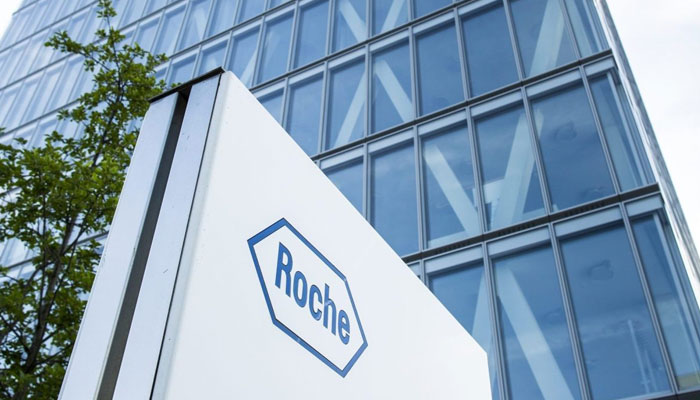
Roche’s new test is the first available immunoassay that allows for simultaneous, independent determination of the hepatitis C virus antigen and antibody status.

Roche launched its Elecsys HCV Duo immunoassay (Elecsys) in July 2022, which is the first available immunoassay that allows for the simultaneous, independent determination of the hepatitis C virus (HCV) antigen and antibody status from a single human or serum sample, according to the company in a July 18, 2022 press release. This assay allows for the detection of the virus in the early stages of infection, or when a patient is recovering from the virus, or when a patient is showing signs of a chronic infection.

Elecsys uses dual detection of HCV core antigen and antibodies. According to the release, this allows it to enable significantly earlier diagnosis of active infection relative to antibody-only assays, as core antigen appears early in an infection and is a marker of ongoing viral replication. Earlier identification can lead to earlier intervention, less burden on the healthcare system, and better outcomes for patients.

“With improved hepatitis screening, healthcare systems have the opportunity to eliminate the disease through improved prevention, testing, and treatment services,” said Thomas Schinecker, CEO, Roche Diagnostics, in the press release. “The addition of the Elecsys HCV Duo assay to our HCV testing portfolio can help in the fight to eliminate the hepatitis C virus. The launch of this innovative dual antigen and antibody diagnostic test underlines our commitment to support clinicians and their patients in reducing the impact of infectious diseases, where it’s needed most.”

According to the release, 58 million people were living with chronic HCV infection in 2019, but only 21% were aware of it. Additionally, 1.29 million people died of hepatitis C-related causes, such as cirrhosis or liver cancer. No vaccine is currently available for HCV, but effective treatment with antivirals can lead to a cure in 98% of patients.

Latest stories

Related stories

Data Integrity Strategies for Modern Pharmaceutical Labs

Ensuring the absolute accuracy and reliability of experimental results is the cornerstone of regulatory compliance and scientific trust. By implementing rigorous frameworks that govern how information is generated, recorded, and stored, research facilities can protect the validity of their findings and maintain a strong position within the global healthcare landscape.

Advancing Lab Automation for Faster Drug Discovery

The evolution of pharmaceutical research relies heavily on the integration of robotics and automated liquid handling to maximize throughput and minimize variability. By shifting away from manual labor-intensive processes, research facilities can achieve a level of precision and speed previously unattainable, fundamentally altering the economics of bringing new therapies to market.

AstraZeneca-Modella AI Acquisition to Speed Oncology R&D

AstraZeneca has agreed to acquire Boston-based Modella AI as...

Subscribe

- Never miss a story with notifications

- Gain full access to our premium content

- Browse free from any location or device.

Media Packs

Expand Your Reach With Our Customized Solutions Empowering Your Campaigns To Maximize Your Reach & Drive Real Results!

– Access theMedia Pack Now

– Book a Conference Call

Leave Message for Us to Get Back

Translate »