















Close
Novotech
Jabsco PureFlo 21 Single Use

University of Kent research identifies novel Covid-19 therapy

Note* - All images used are for editorial and illustrative purposes only and may not originate from the original news provider or associated company.

Subscribe

- Never miss a story with notifications

- Gain full access to our premium content

- Browse free from any location or device.

Media Packs

Expand Your Reach With Our Customized Solutions Empowering Your Campaigns To Maximize Your Reach & Drive Real Results!

– Access the Media Pack Now

– Book a Conference Call

Leave Message for Us to Get Back

Related stories

Neurocrine Nears $2.5bn Soleno Therapeutics Acquisition

Neurocrine Biosciences is close to securing a more than...

Biogen to Acquire Apellis for $5.6 Billion in Major Deal

Biogen Inc. has agreed to acquire Apellis Pharmaceuticals Inc....

Trump Announces 100% US Pharma Tariffs for Patented Drugs

The US pharma tariffs policy has been formalised through...
- Advertisement -

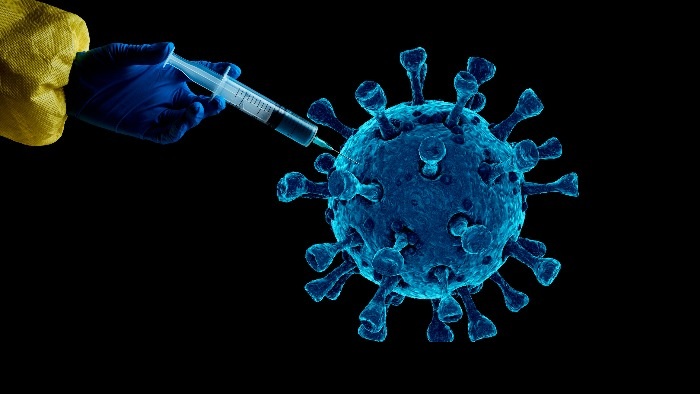
Researchers have identified a potential new treatment that suppresses the replication of SARS-CoV-2, the coronavirus that causes Covid-19.

In order to multiply, all viruses, including coronaviruses, infect cells and reprogramme them to produce novel viruses. The research revealed that cells infected with SARS-CoV-2 can only produce novel coronaviruses when their metabolic pentose phosphate pathway is activated.

When applying the drug benfooxythiamine, an inhibitor of this pathway, SARS-CoV-2 replication was suppressed and infected cells did not produce coronaviruses.

The research from Kent’s School of Biosciences and the Institute of Medical Virology at Goethe-University, Frankfurt am Main, found the drug also increased the antiviral activity of ‘2-deoxy-D-glucose’; a drug which modifies the host cell’s metabolism to reduce virus multiplication.

This shows that pentose phosphate pathway inhibitors like benfooxythiamine are a potential new treatment option for COVID-19, both on their own and in combination with other treatments.

Additionally, Benfooxythiamin’s antiviral mechanism differs from that of other COVID-19 drugs such as remdesivir and molnupiravir. Therefore, viruses resistant to these may be sensitive to benfooxythiamin.

Professor Martin Michaelis, Kent’s School of Biosciences, said: ‘This is a breakthrough in the research of COVID-19 treatment. Since resistance development is a big problem in the treatment of viral diseases, having therapies that use different targets is very important and provides further hope for developing the most effective treatments for COVID-19.’

Professor Jindrich Cinatl, Goethe-University Frankfurt, said: ‘Targeting virus-induced changes in the host cell metabolism is an attractive way to interfere specifically with the virus replication process.’

Latest stories

Related stories

Neurocrine Nears $2.5bn Soleno Therapeutics Acquisition

Neurocrine Biosciences is close to securing a more than...

Biogen to Acquire Apellis for $5.6 Billion in Major Deal

Biogen Inc. has agreed to acquire Apellis Pharmaceuticals Inc....

Trump Announces 100% US Pharma Tariffs for Patented Drugs

The US pharma tariffs policy has been formalised through...

Biomaterials and Local Drug Delivery in Implant Surgery

Advances in biomaterials and localized drug delivery systems are...

Subscribe

- Never miss a story with notifications

- Gain full access to our premium content

- Browse free from any location or device.

Media Packs

Expand Your Reach With Our Customized Solutions Empowering Your Campaigns To Maximize Your Reach & Drive Real Results!

– Access theMedia Pack Now

– Book a Conference Call

Leave Message for Us to Get Back

Translate »