





Close
Almac
Achema middle east

Merck-Moderna Sign Cancer Vaccine Deal Worth $250 Million

Note* - All images used are for editorial and illustrative purposes only and may not originate from the original news provider or associated company.

Subscribe

- Never miss a story with notifications

- Gain full access to our premium content

- Browse free from any location or device.

Media Packs

Expand Your Reach With Our Customized Solutions Empowering Your Campaigns To Maximize Your Reach & Drive Real Results!

– Access the Media Pack Now

– Book a Conference Call

Leave Message for Us to Get Back

Related stories

AstraZeneca Commits $100mn for Pan-KRAS Inhibitor by Jacobio

AstraZeneca has gone ahead and committed $100 million to...

Laboratory Equipment Outsourcing Through CDMOs: Strategic and Cost Implications

Outsourcing laboratory infrastructure to CDMOs offers pharma companies critical agility, transforming fixed capital costs into flexible operational expenses while accessing cutting-edge technology like Cryo-EM.

Specialized Laboratory Equipment Requirements for Biologics and Biosimilar Development

The development of complex biological molecules requires a specialized toolkit distinct from traditional small-molecule chemistry. This article details the critical laboratory equipment—from advanced bioreactors to high-resolution characterization tools—that enables the precise engineering and rigorous analysis required for successful biologics and biosimilar innovation.
- Advertisement -

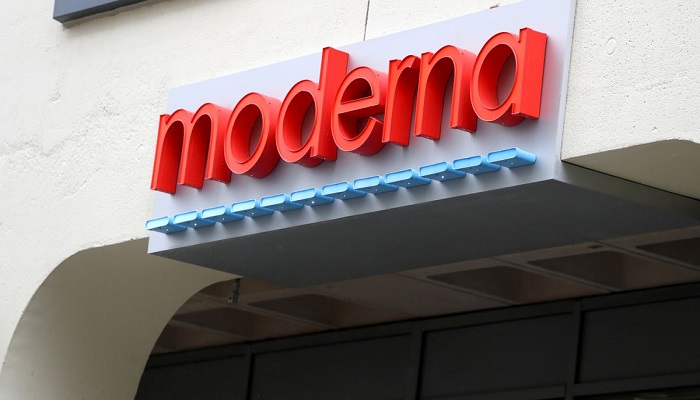
On October 12, 2022, Moderna revealed that Merck, also known as MSD outside of the US and Canada, had chosen to use its $250 million alternative to jointly create and distribute the PCV mRNA-4157/V940. The vaccine is now being tested in a Phase II clinical trial as an adjuvant therapy for patients with high-risk melanoma in conjunction with pembrolizumab, Merck’s anti-programmed cell death protein 1 (PD-1) antibody.

In accordance with the terms of the 2016–2018 agreement amendment, the parties will work together on the development and marketing of Moderna’s PCVs, including mRNA-4157/V940. According to a company news statement, costs and revenues will be split equally among the two businesses.

According to Stephen Hoge, President of Moderna, they have been working with Merck on PCVs since 2016 and together they have made great progress in pushing mRNA-4157 as an experimental customised cancer treatment used in conjunction with pembrolizumab. They remain enthusiastic about the future and the possible effects mRNA can have as a novel therapeutic paradigm in the therapy of cancer, with data on PCV due this quarter. Keeping up the strategic partnership with Merck is a significant accomplishment as they expand their mRNA platform with potential clinical initiatives in numerous therapeutic fields.

According to the press release, Eliav Barr, senior vice-president and head of global clinical development, chief medical officer, Merck Research Laboratories, this long-term collaborative project combining Merck’s expert knowledge in immuno-oncology with Moderna’s pioneering mRNA technology has netted a novel tailored vaccine approach. As it coincides with their objective to have an impact on early stage disease, they look forward to collaborating with their colleagues at Moderna to progress mRNA-4157/V940 in tandem with pembrolizumab.

Latest stories

Related stories

AstraZeneca Commits $100mn for Pan-KRAS Inhibitor by Jacobio

AstraZeneca has gone ahead and committed $100 million to...

Laboratory Equipment Outsourcing Through CDMOs: Strategic and Cost Implications

Outsourcing laboratory infrastructure to CDMOs offers pharma companies critical agility, transforming fixed capital costs into flexible operational expenses while accessing cutting-edge technology like Cryo-EM.

Specialized Laboratory Equipment Requirements for Biologics and Biosimilar Development

The development of complex biological molecules requires a specialized toolkit distinct from traditional small-molecule chemistry. This article details the critical laboratory equipment—from advanced bioreactors to high-resolution characterization tools—that enables the precise engineering and rigorous analysis required for successful biologics and biosimilar innovation.

Next-Generation Laboratory Equipment Redefining Drug Discovery Workflows

Advanced technologies such as AI-integrated high-throughput screening platforms and automated assay systems are fundamentally transforming early-stage pharmaceutical research. These innovations address critical bottlenecks in productivity and data quality, enabling research teams to accelerate timeline-to-candidate selection while enhancing the predictive accuracy of drug discovery campaigns.

Subscribe

- Never miss a story with notifications

- Gain full access to our premium content

- Browse free from any location or device.

Media Packs

Expand Your Reach With Our Customized Solutions Empowering Your Campaigns To Maximize Your Reach & Drive Real Results!

– Access theMedia Pack Now

– Book a Conference Call

Leave Message for Us to Get Back

Translate »