









Egypt has gone on to mark quite a prominent milestone when it comes to its biopharmaceutical development by laying the foundation stone for the GENNVAX vaccine manufacturing facility, which is all set to become the largest fully integrated vaccine production complex across the Middle East and Africa.
The project goes on to represent a strategic step in terms of localizing production of vaccines and also other biological medicines, therefore strengthening the national drug security, and at the same time, positioning Egypt as a regional manufacturing hub.
Interestingly, the foundation-stone ceremony of the vaccine manufacturing facility which was held on December 16, 2025, was attended by senior government officials and ambassadors, along with leaders from the healthcare and pharmaceutical sectors of Egypt. Attendees went on to include Hassan El Khatib, who is the Minister of Investment and Foreign Trade, and along with him, Khaled Abdel Ghaffar, the Deputy Prime Minister for Human Development and Minister of Health and Population. The Chairperson of the Suez Canal Economic Zone, Walid Gamal El-Din, and the CEO of Orascom Industrial Parks, Amr El-Batrik, were also present at the event.
There were other senior health officials who were also present, including the Chairperson of the Egyptian Drug Authority, Ali El-Ghamrawy; Advisor to the President for Health and Prevention Affairs, Mohamed Awad Tag El-Din; WHO Representative in Egypt, Nima Abid; and the Chairperson of the Egyptian Authority for Unified Procurement, Hisham Stait.
alongside the international partners from GENNVAX and industry leaders.
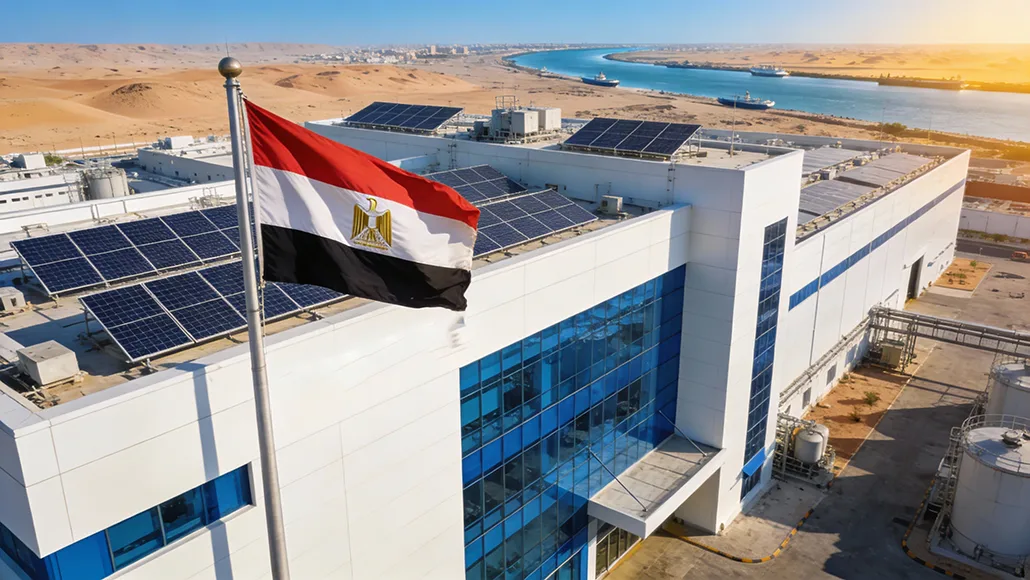
Located in the Orascom Industrial Parks in the Suez Canal Economic Zone, the GENNVAX facility is designed as a completely integrated manufacturing complex that covers the overall vaccine production cycle. Officials went on to describe the project as a landmark investment that is aligned with the Vision 2030 of Egypt, supporting vaccine localization, export readiness, and long-term healthcare resilience.
Backed by overall investments of $150m, this Egyptian project has been accorded the Golden License grant by the Prime Minister in recognition of the strategic importance and export potential that it holds. The facility is designed so as to meet the highest international quality benchmarks and to qualify for World Health Organization – WHO prequalification, helping with access to global procurement channels.
Once functional to its capacity, the plant is most likely to produce 29 vaccines as well as serums by way of technology transfer agreements along with 15 international partners, having an annual production capacity that would reach 270 million doses per production line. The project is also anticipated to create anywhere between 500 and 700 direct jobs and is going to be supported by an integrated digital infrastructure to make sure of efficiency and traceability as well as quality control.
Notably, sustainability is indeed a core element of the design of the project, with the facility incorporating solutions for solar energy that are in sync with the green transformation strategy of Egypt.